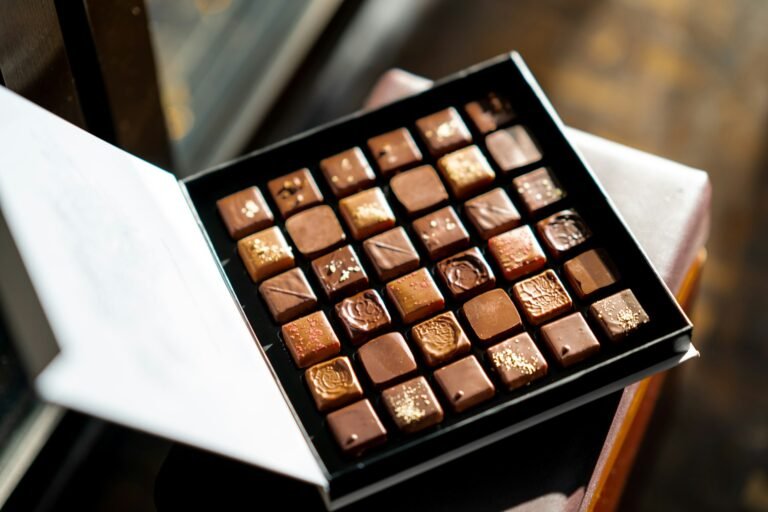
Chocolate is one of the rare products where packaging has almost as much influence on purchasing decisions as the product itself. Consumers may not know cocoa percentages, origin, or production methods at first glance, but they immediately react to presentation. The feel of the box, the quality of printing, and the unboxing experience often determine whether a chocolate product feels ordinary or premium.
For chocolate manufacturers, packaging is no longer just protection. It is branding, storytelling, and sales performance combined into one physical asset. As competition in the confectionery industry grows, packaging has become one of the strongest differentiators in both retail and gifting segments.
Folding Cartons for Chocolate Bars
One of the most widely used packaging formats in the chocolate industry is the folding carton. It is especially common among bean-to-bar producers, artisanal chocolate brands, and mass-market manufacturers selling individual bars.
Folding cartons are typically made from printed paperboard and wrapped around a primary protective layer such as foil or inner film. Their biggest advantage is flexibility. Brands can easily change designs for seasonal editions, promotional campaigns, or limited releases without major structural costs.
They also provide a strong surface for branding. High-resolution printing, embossing, matte or gloss finishes, and foil stamping allow even small chocolate brands to compete visually with global manufacturers on retail shelves.
For companies looking to improve shelf visibility and brand recognition, investing in custom candy packaging is often one of the most effective steps. It allows chocolate products to communicate quality and identity before the customer even opens the pack.
Rigid Boxes for Premium Chocolate Collections
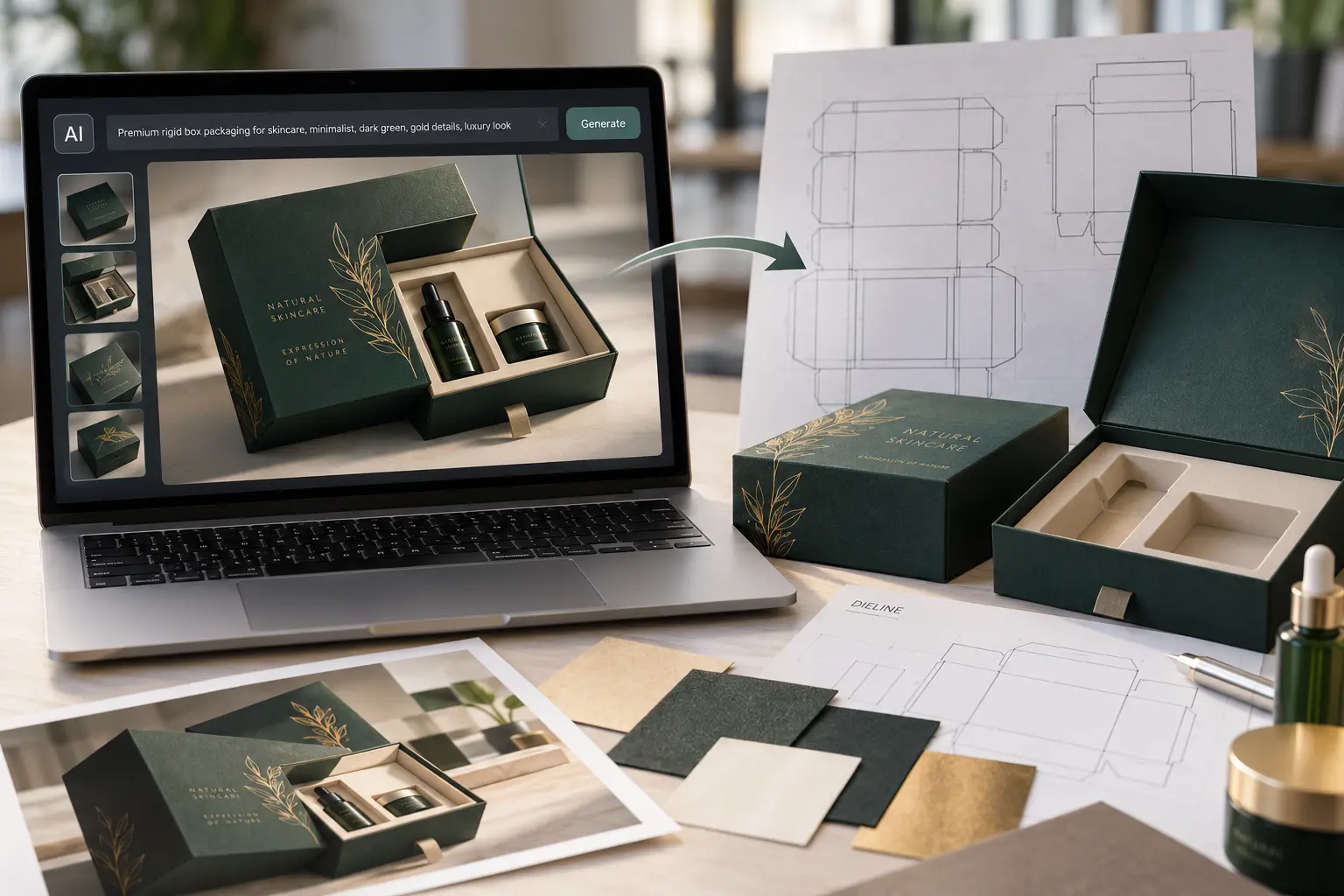
In the premium segment of the chocolate industry, rigid boxes dominate. These are used for luxury assortments, truffles, gift collections, and corporate chocolate sets.
Unlike folding cartons, rigid boxes are made from thick greyboard, which gives them structure, weight, and durability. This immediately signals higher value to the customer. In many cases, the packaging itself becomes part of the product experience.
Luxury chocolate brands rely heavily on structural packaging elements such as magnetic closures, drawer-style boxes, and book-style openings. These features create a sense of ritual during unboxing, which significantly increases perceived value.
Many premium brands use luxury chocolate packaging to reinforce exclusivity and justify higher price positioning. Finishing techniques such as soft-touch coating, gold foil, and embossed logos further strengthen the emotional impact of the packaging.
In the luxury segment, packaging is not secondary. It is part of the product itself.
Chocolate Gift Boxes and Seasonal Packaging
Seasonal demand plays a major role in the chocolate industry. Holidays such as Valentine’s Day, Easter, Christmas, and Mother’s Day generate significant spikes in sales, especially in Europe and North America.
This is where gift-oriented packaging becomes essential. Unlike standard retail packaging, chocolate gift boxes are designed to create emotional impact. The goal is not only to protect the product but to make it feel special before it is even opened.
Manufacturers often invest in decorative structures, ribbon closures, custom inserts, and themed designs to align with seasonal campaigns.
For this category, chocolate gift box packaging plays a crucial role in driving seasonal revenue. A well-designed gift box can significantly increase perceived value and encourage impulse purchases during holiday shopping periods.
In many cases, chocolate brands develop entire seasonal packaging lines that exist only for a few weeks per year, yet generate a large portion of annual profit.
Window Packaging for Retail Visibility
Window packaging is another widely used format, particularly in retail environments where product visibility influences purchasing decisions.
This type of packaging includes transparent PET windows or die-cut openings that allow customers to see the chocolates inside before purchase. It is especially effective for artisanal chocolates, pralines, and visually appealing confectionery products.
The main advantage is trust. When consumers can see the product directly, they feel more confident about quality. However, manufacturers must carefully balance visibility with protection, as chocolate is sensitive to heat, light, and humidity.
The Rise of Sustainable Chocolate Packaging
Sustainability has become one of the strongest forces shaping modern packaging design in the chocolate industry. Consumers are increasingly aware of environmental issues and prefer brands that use responsible materials.
As a result, many manufacturers are shifting toward recyclable paperboard, FSC-certified materials, compostable films, and reduced-plastic structures.
Organizations such as the Forest Stewardship Council provide certification for responsibly sourced materials. More information can be found at https://fsc.org/.
Another important reference in the industry is the Sustainable Packaging Coalition, which promotes innovation and responsible design practices. Their resources are available at https://sustainablepackaging.org/.
Sustainable packaging is no longer a niche trend. It is becoming a baseline expectation across both premium and mass-market chocolate segments.
Packaging as a Storytelling Tool
Modern chocolate packaging is not just about structure or protection. It is also a storytelling platform. Consumers want to know where ingredients come from, how the chocolate is made, and what values the brand represents.
Packaging allows manufacturers to communicate these stories directly on the product surface. Through typography, illustrations, and copywriting, brands can create emotional connections that go far beyond taste.
This is especially important for smaller chocolate brands competing against global corporations. A strong packaging concept can instantly communicate craftsmanship, authenticity, and premium positioning.
Conclusion
Chocolate packaging has evolved into a strategic business tool rather than a simple container. It influences perception, supports branding, and directly impacts sales performance across both retail and gifting channels.
Folding cartons remain dominant in everyday retail, rigid boxes define the luxury segment, and gift packaging drives seasonal sales. At the same time, sustainability and storytelling are reshaping how manufacturers approach packaging design.
Brands that invest in high-quality custom candy packaging, refined chocolate gift box packaging, and premium luxury chocolate packaging are significantly better positioned to compete in today’s global chocolate market.