Base and lid packaging is one of those packaging styles that looks simple at first glance, but in reality sits at the intersection of functionality, presentation, and brand perception. It is widely used across premium industries because it instantly elevates the unboxing experience without requiring complex mechanisms or complicated structures.
Unlike standard folding cartons or corrugated shipping boxes, base and lid packaging consists of two separate parts: a rigid base that holds the product and a separate lid that fully or partially covers it. This structure creates a clean, controlled opening experience that feels intentional and premium.
Brands across cosmetics, fashion, electronics, gifting, and corporate packaging rely heavily on this format when they want the packaging itself to communicate value.
Companies producing custom packaging solutions such as DST-Pack custom packaging manufacturer often recommend base and lid boxes for products where presentation plays a major role in purchasing decisions.
What Is Base and Lid Packaging?
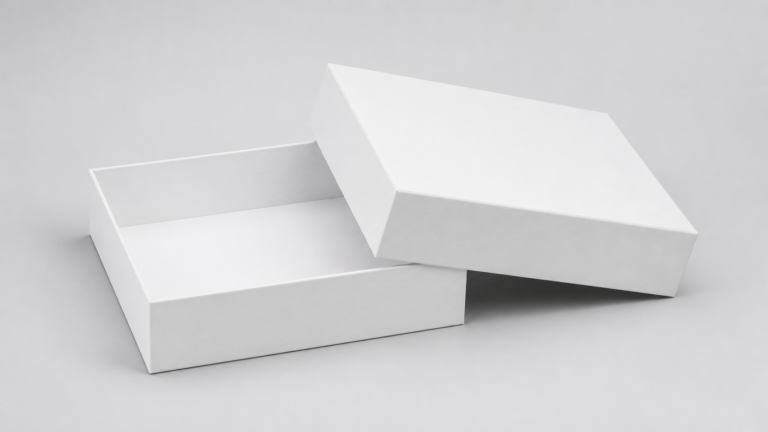
At its core, base and lid packaging is a rigid box construction made from thick paperboard or greyboard, usually wrapped with printed or decorative paper.
The structure is extremely simple:
- A bottom tray (the base) holds the product
- A separate top cover (the lid) closes the box
The lid can fully cover the base or partially cover it depending on the design style. In some cases, the lid sits tightly over the base, while in others it is slightly loose to create an easier opening experience.
This simplicity is exactly what makes it so powerful. There are no folding mechanisms, no glue-based collapsible structures, and no complex locking systems. Instead, the experience is defined by solid structure and tactile interaction.
Which Businesses Use Base and Lid Packaging?
Base and lid packaging is widely used across industries where product presentation directly influences perceived value.
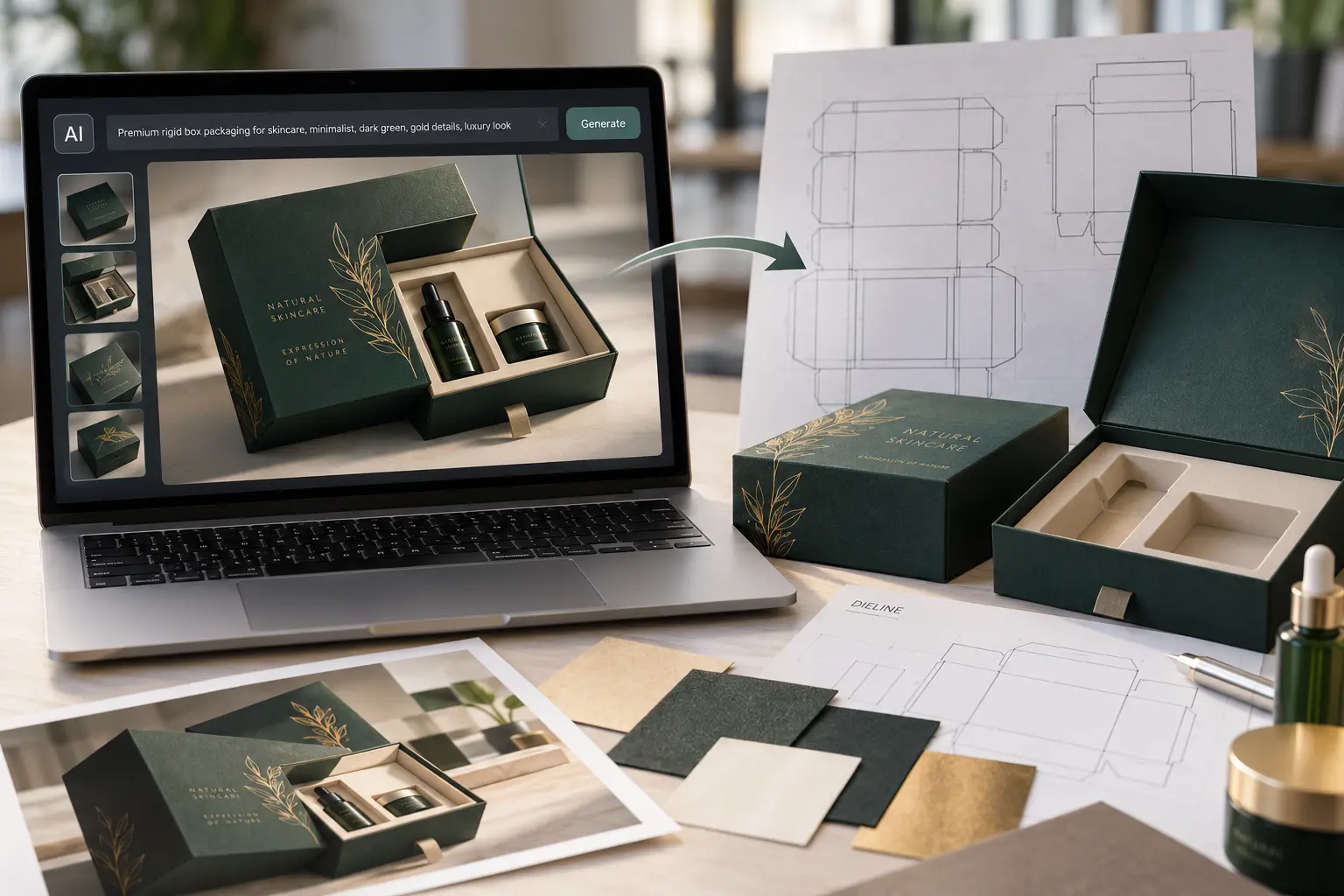
One of the most common sectors is cosmetics. Skincare brands, perfume companies, and makeup manufacturers use rigid lid boxes because the packaging immediately signals premium positioning.
Fashion and accessories brands also rely heavily on this format. Jewelry boxes, watch packaging, and sunglasses often use base and lid structures because they enhance the emotional aspect of unboxing.
In electronics, especially small gadgets like headphones or branded tech accessories, base and lid packaging helps create a sense of precision and quality.
Corporate gifting is another major application, where companies use rigid boxes for business gifts and promotional sets.
Luxury food products such as chocolates and tea sets also frequently use this packaging style, especially during seasonal campaigns.
How Base and Lid Packaging Is Presented
The unboxing experience of base and lid packaging is one of its biggest strengths.
Instead of being opened quickly like a folding carton, the lid is lifted slowly, creating anticipation and a sense of reveal.
This makes it especially effective for branding, influencer marketing, and premium retail presentation.
Brands often use the interior of the box as part of storytelling, adding logos, messages, or design elements inside the lid or base.
The rigid structure also allows precise product placement using foam inserts, cardboard dividers, or fabric linings.
Types of Finishing Used in Base and Lid Boxes
Soft Touch Lamination
Creates a smooth, velvet-like surface often used in luxury cosmetics and electronics packaging.
Matte and Gloss Lamination
Matte gives a modern minimalist look, while gloss enhances color vibrancy and visual impact.
Foil Stamping
Gold or silver foil adds reflective luxury accents, commonly used for logos.
Embossing and Debossing
Adds physical depth to branding elements, improving tactile experience.
UV Spot Coating
Highlights specific design areas with glossy contrast on matte surfaces.
Interior Printing and Inserts
Enhances storytelling and product protection inside the box.
Is Base and Lid Packaging Expensive?
Compared to folding cartons or corrugated boxes, base and lid packaging is generally more expensive due to its rigid structure and finishing requirements.
The cost comes from thicker materials, separate lid/base construction, manual assembly, and premium finishing techniques.
However, in luxury and mid-premium markets, this cost is often justified because packaging strongly influences perceived product value.
In larger production runs, unit costs decrease significantly, making it more accessible for growing brands.
Why Brands Continue to Choose It
Despite higher costs, base and lid packaging remains widely used because it delivers a strong unboxing experience and elevates brand perception.
It is not just packaging—it becomes part of the product experience itself.
For industries where presentation matters, this structure continues to be one of the most effective packaging choices available.
Final Thoughts
Base and lid packaging combines simplicity with premium presentation. It allows brands to create memorable unboxing experiences, strengthen branding, and increase perceived product value.
From cosmetics and jewelry to electronics and corporate gifting, it remains a key packaging solution for businesses focused on premium positioning and customer experience.