What is a Tuck End Box? A Complete Guide to One of the Most Popular Packaging Styles
A tuck end box is one of the most commonly used packaging structures in the world of retail and product packaging. It is simple, cost-effective, highly customizable, and suitable for a wide range of industries. Despite its simplicity, it plays a crucial role in branding, product protection, and consumer experience.
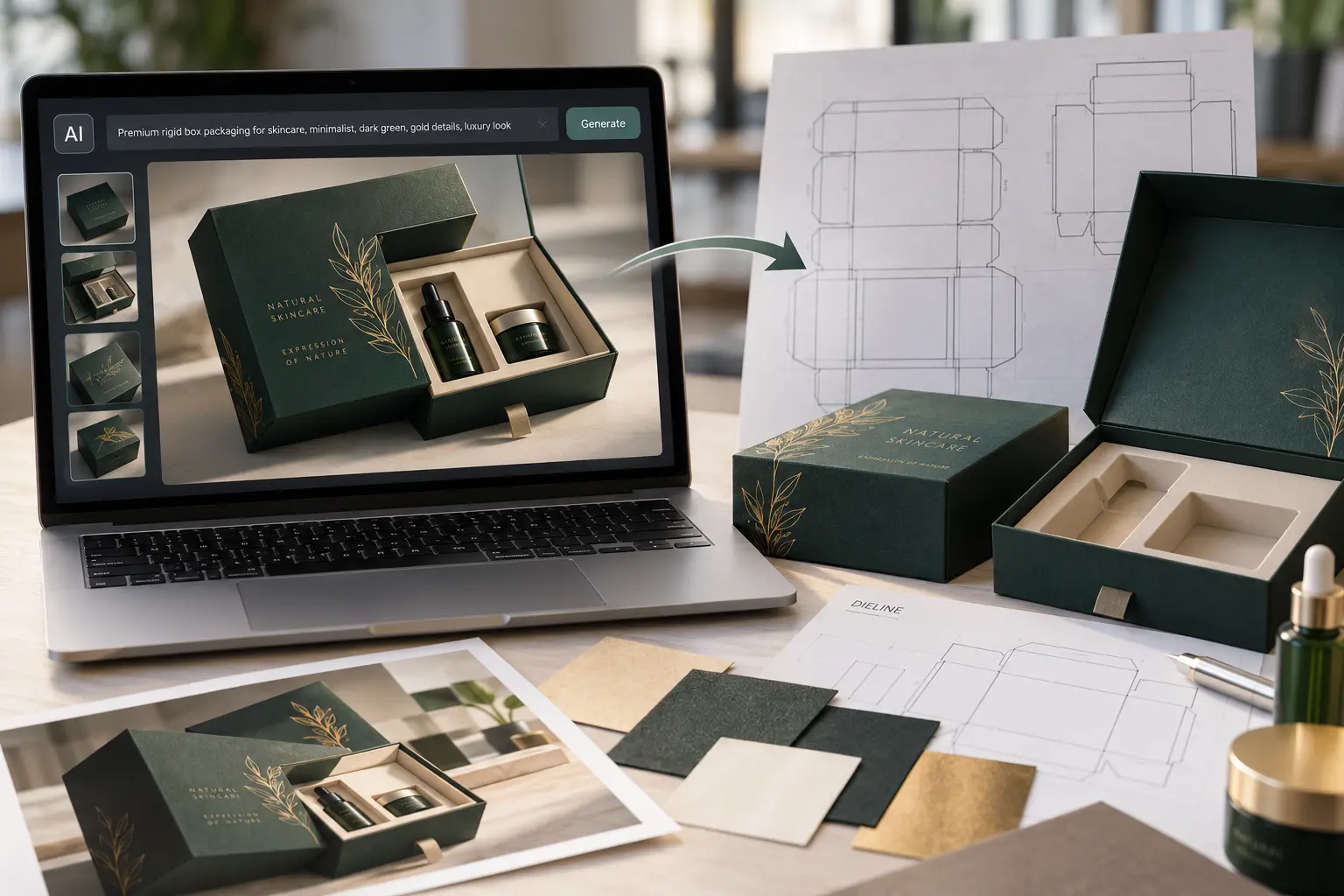
Before diving deeper into its structure and applications, it is worth noting that professional packaging manufacturers such as DST-Pack specialize in producing custom tuck end boxes designed for retail, cosmetics, food, electronics, and many other industries.
Understanding the Structure of a Tuck End Box
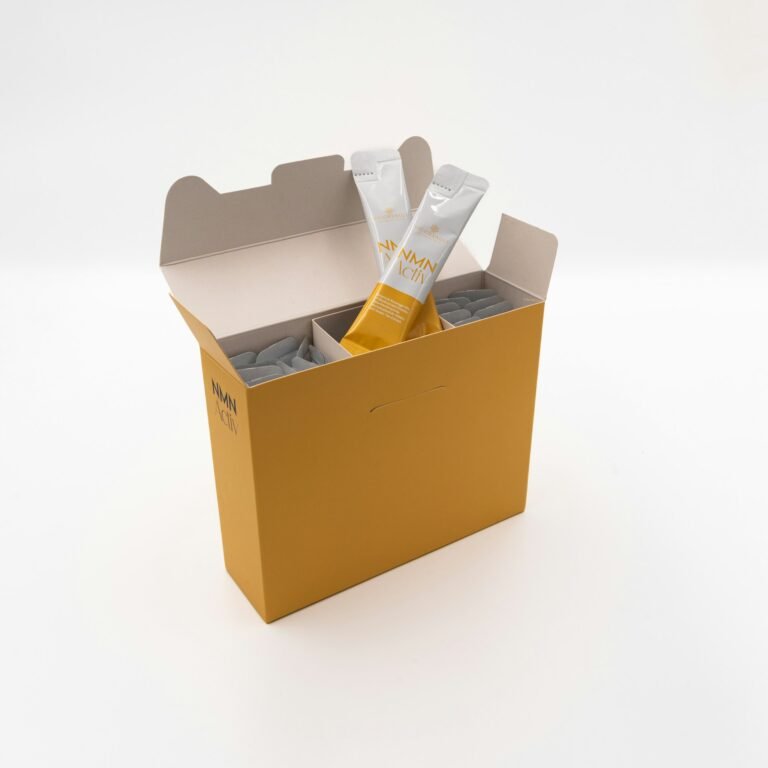
A tuck end box is a type of folding carton made from a single sheet of paperboard or cardboard. The material is die-cut into a flat shape, printed with branding or product information, and then folded into a three-dimensional box.
The defining feature of this packaging style is its closure system. Both ends of the box are sealed using flaps that “tuck” into the structure. These flaps hold the box securely closed without the need for glue or additional fastening.
There are two main variations of tuck end boxes:
Straight Tuck End (STE): both top and bottom flaps close in the same direction, creating a clean and uniform front panel.
Reverse Tuck End (RTE): the top and bottom flaps close in opposite directions, which is often more material-efficient.
Why Tuck End Boxes Are So Widely Used
The popularity of tuck end boxes comes from their perfect balance between practicality, affordability, and visual appeal. In modern retail environments, packaging must not only protect the product but also attract attention and communicate brand identity. Tuck end boxes achieve all of this at a relatively low production cost.
One of their biggest advantages is flat shipping. Since they are delivered flat and only assembled when needed, they significantly reduce storage space and transportation costs. This makes them especially attractive for large-scale production and international logistics.
Another key benefit is their excellent printability. The flat surface allows for full-color printing, branding elements, product descriptions, and marketing messages, turning the packaging into a powerful sales tool.
Industries That Use Tuck End Boxes
Tuck end boxes are used across a wide range of industries due to their flexibility and adaptability. Their structure can be adjusted to fit both lightweight and moderately heavy products, making them extremely versatile.
Cosmetics and Beauty Industry
Perfumes, skincare products, makeup kits, and beauty accessories are often packaged in tuck end boxes. The structure allows for elegant design and premium finishing, which is essential in the beauty sector where presentation strongly influences purchasing decisions.
Pharmaceutical Industry
Medicine packaging often relies on tuck end boxes due to their practicality and ability to include important printed information such as dosage instructions, warnings, and branding. They also support tamper-evident designs when required.
Food and Beverage
Tea packaging, chocolate boxes, dietary supplements, and other small food products frequently use this format. It ensures product safety while maintaining strong visual appeal on retail shelves.
Electronics and Accessories
Small electronic devices such as headphones, chargers, cables, and accessories are commonly packed in tuck end boxes. They offer enough protection for lightweight items while keeping packaging costs low.
Retail Products
From stationery to household goods, tuck end boxes are widely used in general retail due to their scalability and ease of production.
Customization Options
One of the strongest advantages of tuck end boxes is their high level of customization. Brands can tailor almost every aspect of the packaging to match their identity and product positioning.
Common customization options include matte or glossy lamination, UV coating, embossing, debossing, foil stamping, and window cut-outs. These finishing techniques allow brands to create packaging that stands out on crowded retail shelves.
In addition, internal inserts can be added to hold products securely in place, improving both presentation and protection.
Benefits of Tuck End Boxes
Tuck end boxes offer several key advantages that make them one of the most widely used packaging formats in the world.
First, they are cost-efficient to produce, especially in large quantities. Second, they are lightweight, which reduces shipping expenses. Third, they are highly versatile, making them suitable for multiple industries and product types.
Another important benefit is their strong branding potential. Because of their large printable surface, they allow companies to communicate their identity effectively and create a strong visual presence in retail environments.
Finally, they are easy to assemble and use, making them practical for both manufacturers and end consumers.
Straight vs Reverse Tuck End: Which One to Choose?
The choice between straight tuck end and reverse tuck end depends on both functional and design requirements. Straight tuck end boxes often provide a more premium and visually consistent front panel, making them ideal for retail display. Reverse tuck end boxes, on the other hand, are often more efficient in terms of material usage and production speed.
In many cases, the decision comes down to branding priorities and production optimization.
Conclusion
A tuck end box may appear simple, but it is one of the most effective and widely used packaging solutions in modern commerce. Its combination of affordability, versatility, and branding capability makes it a standard choice for industries ranging from cosmetics and pharmaceuticals to electronics and food products.
With the right design and production partner, tuck end boxes can significantly enhance product presentation and customer experience. Manufacturers such as DST-Pack provide customized solutions that help brands optimize both functionality and visual impact in competitive retail markets.