What Is Smart Packaging and How It Is Changing the Packaging Industry
Packaging has always been something people notice without really thinking about it. You open a box, unwrap a product, and move on. For decades, that was the end of the story.
But over the last few years, packaging has started to behave differently. It is no longer just a protective layer or a branding surface. It has become a communication tool, a digital gateway, and in many cases even a data source.
This transformation is what the industry calls smart packaging. And although the term might sound futuristic, it is already becoming part of everyday business operations in industries like cosmetics, perfumes, food, pharmaceuticals, and e-commerce.
For companies working with a modern custom packaging supplier, smart packaging is no longer an experimental idea. It is slowly becoming a natural extension of packaging design, where physical structure and digital experience are built together.
The Shift From Simple Packaging to Intelligent Systems
To understand smart packaging properly, it helps to step back and look at how packaging used to work.
Traditional packaging had three main jobs: protect the product, help transport it, and make it visually appealing on the shelf. If those three things were done well, the packaging was considered successful.
But the world around packaging has changed. E-commerce removed physical retail interaction. Global logistics made supply chains more complex and harder to control. And consumers started expecting far more transparency from the brands they buy from.
People now want to know where a product comes from, how it is made, whether it is authentic, and even what impact it has on the environment. At the same time, brands face increasing pressure from counterfeit products, fragmented logistics systems, and rising competition.
All of this pushed packaging into a new role. It needed to become more than just a container. It needed to become part of the product experience itself.
That is where smart packaging begins.
What Smart Packaging Really Means
Smart packaging refers to packaging that integrates technology or interactive elements that allow it to communicate, monitor, track, or engage with users or systems.
In simple terms, it is packaging that does something beyond just sitting on a shelf or protecting a product.
Sometimes that “something” is visible to the consumer, like scanning a code and unlocking content. Other times it is invisible, working quietly in the background to monitor temperature, freshness, or supply chain movement.
The most important change is this: packaging is no longer isolated. It is connected to digital systems, data, and user experience.
The Two Main Types of Smart Packaging
Smart packaging is usually divided into two broad categories. They serve different purposes but often work together in modern supply chains.
Active Packaging: Protecting the Product Itself
Active packaging focuses on improving the physical condition of the product over time. Instead of just acting as a barrier between the product and the outside world, it actively interacts with the internal environment.
This is especially important in industries where product stability matters. Food, pharmaceuticals, and high-end cosmetics are good examples.
In food packaging, certain materials can absorb oxygen or moisture, slowing down spoilage. In pharmaceuticals, packaging may help maintain temperature stability. In cosmetics, it can help preserve formulation quality over time, especially for sensitive ingredients.
The interesting thing about active packaging is that consumers often never notice it directly. But they benefit from it every time they receive a product that stays fresh, stable, and safe.
In global supply chains where products travel across different climates and long distances, this type of packaging quietly plays a critical role in quality control.
Connected Packaging: Turning Packaging Into a Digital Experience
The second category is much more visible and customer-facing. This is connected packaging, and it is the part most people think of when they hear “smart packaging.”
Connected packaging uses technologies such as QR codes, NFC chips, RFID tags, and even augmented reality to connect physical packaging with digital content.
Instead of packaging being the end of the customer journey, it becomes the beginning of a digital interaction.
With a simple scan or tap, a product can unlock content such as tutorials, brand stories, authenticity checks, ingredient breakdowns, or even loyalty programs.
This changes the emotional role of packaging. It is no longer just something you throw away or store. It becomes part of the brand experience.
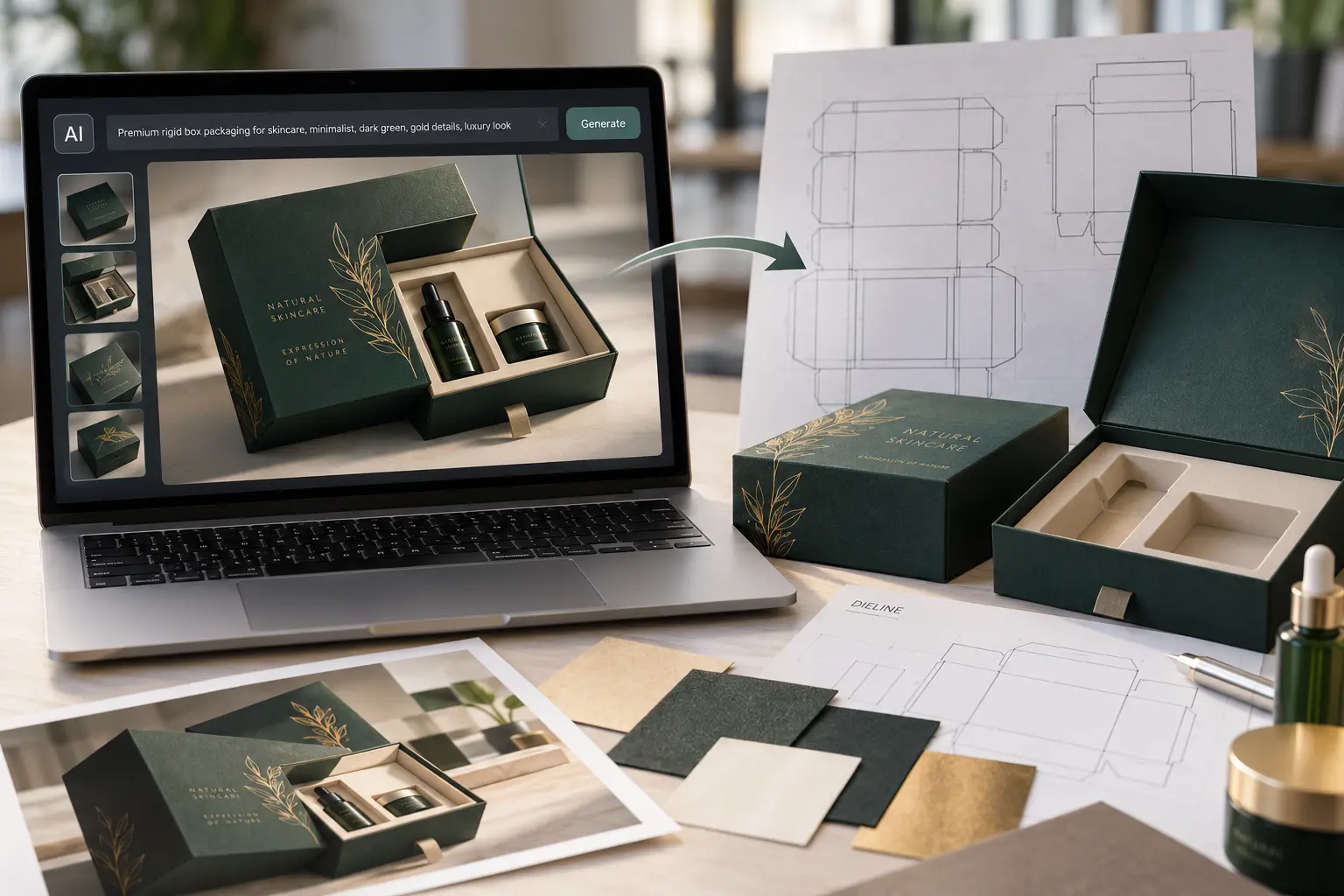
For example, in the beauty and fragrance industry, brands often collaborate with a custom perfume packaging supplier to design packaging that not only looks premium but also connects customers to storytelling, fragrance inspiration, or exclusive digital campaigns.
Why Smart Packaging Is Growing So Quickly
The rise of smart packaging is not random. It is driven by real structural changes in how brands operate and how consumers behave.
One of the biggest drivers is consumer expectations. People want transparency. They want to understand what they are buying, where it comes from, and whether it is real. Packaging has become one of the easiest ways to deliver that information instantly.
Another major factor is e-commerce. When people buy online, they cannot touch or test the product beforehand. This means the unboxing moment becomes extremely important. Packaging is often the first physical interaction between the customer and the brand.
There is also the complexity of modern supply chains. Products pass through multiple countries, warehouses, and distributors before reaching the end customer. Brands need better visibility, tracking, and control. Smart packaging helps bridge that gap.
QR Codes as the Entry Point to Smart Packaging
One of the simplest and most widely used forms of smart packaging is the QR code.
It is a surprisingly simple technology, but its impact on packaging has been significant.
Instead of relying only on printed information, brands can now connect packaging directly to digital experiences. A single scan can open videos, product instructions, marketing campaigns, or authentication systems.
This allows packaging to remain visually clean and minimal while still offering deep informational layers when needed.
Anti-Counterfeit Protection and Brand Trust
Counterfeit products remain a serious issue across industries such as luxury goods, skincare, pharmaceuticals, and fragrances.
Smart packaging helps solve this problem by introducing verification systems directly into the product experience.
Technologies like serialized QR codes, NFC chips, and RFID tracking allow both brands and customers to confirm authenticity within seconds.
This not only protects revenue but also strengthens trust. In many cases, packaging becomes the first line of defense for brand reputation.
Smart Packaging and Sustainability
At first glance, adding technology to packaging might seem like it increases complexity or waste. But in practice, smart packaging is increasingly being used to reduce environmental impact.
Digital instructions reduce the need for printed manuals. Tracking systems improve logistics efficiency and reduce overproduction. Smart inventory systems help prevent unnecessary waste.
In combination with sustainable materials and design thinking, smart packaging can actually support environmental goals rather than conflict with them.
This is why many brands now work with a sustainable packaging supplier to ensure that innovation and sustainability evolve together rather than separately.
How Smart Packaging Changes Customer Experience
The biggest transformation brought by smart packaging is not technical — it is emotional and experiential.
Traditional packaging ends its role when the product is opened. Smart packaging continues the relationship after purchase.
It turns a physical object into a long-term communication channel between brand and customer.
For premium brands, this is especially powerful. The unboxing moment becomes part of the product identity, not just packaging around it.
The Future of Smart Packaging
Smart packaging is still evolving, and the next stage will likely be even more connected and personalized.
We are already seeing early development in areas like AI-driven personalization, blockchain-based authentication, and augmented reality packaging experiences.
In the future, packaging may adapt dynamically to conditions, deliver personalized content, or integrate directly with mobile devices and digital ecosystems.
But despite all technological progress, one principle will remain the same: packaging must still feel natural, functional, and well-designed. Technology alone is not enough — it has to enhance the experience, not overwhelm it.
Final Thoughts
Smart packaging represents a fundamental shift in how products are designed and experienced.
It moves packaging from a passive object to an active part of communication, trust-building, and customer engagement.
For modern brands, especially those competing in global markets, it is becoming less of an innovation and more of an expectation.
And as technology becomes more accessible, smart packaging is moving from a premium feature to a standard part of the industry.
The future of packaging is not only physical. It is connected, intelligent, and interactive.