When companies develop a new product, packaging is often treated as one of the final steps. The focus usually goes toward manufacturing, branding, marketing, pricing, and launch preparation. Then, somewhere near the end of the process, somebody says: “Now we just need the box.”
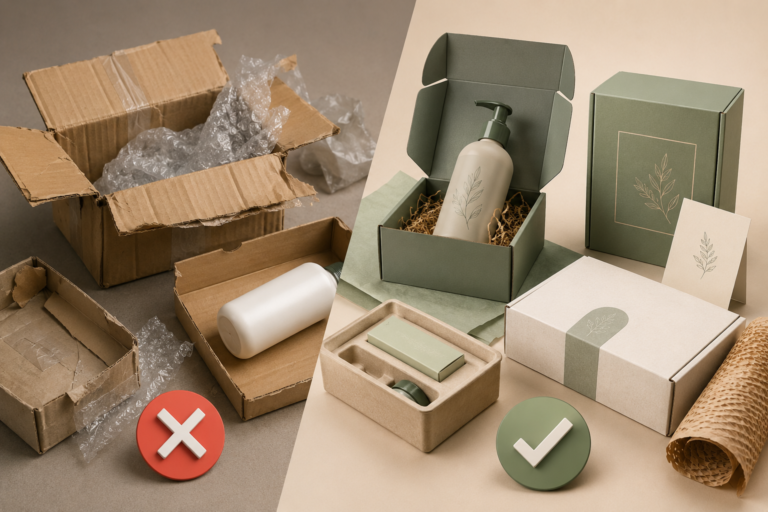
In reality, packaging decisions influence far more than appearance alone. The right packaging can improve customer perception, reduce shipping problems, strengthen brand identity, and even increase repeat purchases. The wrong packaging does the opposite — sometimes without businesses immediately realizing it.
A damaged product during delivery, a frustrating unboxing experience, poor material quality, oversized shipping cartons, or packaging that simply feels “cheap” can slowly hurt a brand over time. Customers may never directly complain about the packaging itself, but it still affects how they view the product inside.
Experienced brands understand that packaging is not separate from the product anymore. It has become part of the overall experience.
This is especially true in industries like cosmetics, candles, supplements, fashion accessories, electronics, gift products, and e-commerce, where packaging often creates the customer’s first physical interaction with the brand.
Working with an experienced custom packaging supplier early in the development stage usually helps businesses avoid expensive mistakes later. Unfortunately, many companies only discover packaging problems after production has already started.
Below are some of the most common packaging mistakes businesses continue to make — and why they matter more than people think.
Choosing Packaging Only Because It Looks Attractive
One of the most common problems in packaging development is prioritizing appearance over functionality.
A box may look beautiful in a digital render or on a design mockup, but real-world conditions are much less forgiving. Packaging needs to survive transportation, storage, handling, retail display, and customer use. If the structure is weak or impractical, visual appeal quickly becomes irrelevant.
This happens often with brands trying to imitate luxury packaging trends without considering whether those structures actually fit their product or logistics process.
For example, rigid magnetic boxes can look premium and expensive, but they are not automatically the best choice for every product category. In some cases, they increase shipping costs unnecessarily or create storage inefficiencies. On the other hand, lightweight folding cartons may appear simpler, yet perform much better operationally.
Good packaging should balance three things at the same time:
Visual identity
Packaging should reflect the positioning of the brand and create the right emotional impression.
Product protection
The product must arrive safely and remain secure throughout transportation.
Practical usability
Customers should be able to open, handle, and store the packaging comfortably.
The best packaging rarely focuses on only one of these elements. Strong packaging combines all three naturally.
Ignoring Shipping Reality
A package may look perfect during a meeting in the office. That does not mean it will survive international shipping.
Many businesses underestimate how aggressive logistics environments can be. Packages are stacked, compressed, dropped, moved between warehouses, exposed to humidity, and handled repeatedly before reaching the customer.
Weak structures, poor inserts, or incorrect material thickness often become visible only after mass shipping begins.
This becomes even more important for online brands working with fulfillment centers and courier delivery services. Companies selling through e-commerce channels cannot rely on gentle retail handling. Their packaging must tolerate much harsher conditions.
An experienced e-commerce packaging supplier usually considers shipping efficiency from the beginning, not as an afterthought.
Oversized boxes are another common issue. Some companies use unnecessarily large packaging simply because it “looks premium.” In reality, oversized packaging increases freight costs, wastes warehouse space, and often creates a worse customer experience.
Modern consumers increasingly notice excessive empty space inside packages. It feels wasteful and poorly planned.
Well-designed packaging protects the product efficiently without creating unnecessary shipping volume.
Trying to Save Too Much Money on Materials
Reducing packaging costs sounds logical, especially for startups or growing brands trying to control budgets. However, choosing the cheapest possible materials often creates larger expenses later.
Low-grade cardboard, weak inserts, thin lamination, or poor printing quality can make even a premium product feel disappointing.
Customers immediately notice packaging quality — sometimes subconsciously.
If a box feels soft, bends easily, scratches during handling, or arrives damaged, the customer naturally questions the quality of the product itself. This psychological effect is stronger than many businesses realize.
In industries like cosmetics or luxury gifting, packaging strongly influences perceived product value.
A premium serum packaged inside a weak carton creates a completely different impression than the same product presented properly.
This is one reason many beauty brands work specifically with an experienced cosmetics packaging manufacturer rather than using generic packaging suppliers unfamiliar with the expectations of the cosmetics industry.
At the same time, “premium” does not always mean “expensive.” Smart structural design and carefully selected finishes often create better results than simply adding costly materials everywhere.
Some of the most effective packaging solutions are relatively simple structurally but executed with attention to detail.
Designing Packaging for Yourself Instead of the Customer
Businesses sometimes choose packaging based on personal preferences rather than customer expectations.
This mistake happens surprisingly often.
A founder may personally prefer minimalistic black-and-white packaging, while the target audience responds better to colorful, emotional, or highly decorative designs. In other cases, brands try to follow social media trends that do not actually fit their customer demographic.
Packaging should always match the expectations of the buyer.
Different audiences react differently to:
- Colors
- Textures
- Finishes
- Typography
- Opening experiences
- Structural styles
A luxury skincare customer expects something completely different from a teenager buying trend-driven accessories online.
Likewise, packaging for corporate gifts requires a different emotional approach compared to subscription box packaging or influencer-focused product launches.
The strongest packaging concepts are usually built around customer psychology, not internal company taste.
Overcomplicating the Structure
There is a difference between creative packaging and unnecessarily complicated packaging.
Some brands become so focused on standing out that they create packaging structures that are difficult to manufacture, slow to assemble, expensive to ship, or frustrating for customers to open.
Complicated packaging often creates operational problems that are invisible during the concept stage.
For example, packaging with excessive folds, multiple inserts, ribbons, magnets, layers, or manual assembly steps may significantly increase labor costs during production and packing.
Even worse, customers sometimes do not notice half of those details.
Many premium brands today actually move toward cleaner and more functional structures rather than excessive complexity. Simplicity often feels more modern, elegant, and intentional.
Good packaging should feel effortless to use.
If customers struggle to understand how to open the package, the design has probably become too complicated.
Forgetting About the Unboxing Experience
The rise of TikTok, Instagram, and YouTube has changed packaging completely.
Today, packaging is often part of the marketing itself.
Customers film unboxing videos, post product photos online, and share first impressions publicly. The packaging now contributes directly to how people talk about the brand.
This does not mean every package needs expensive luxury finishes. It means the experience should feel considered.
Small details matter more than many businesses expect:
- How the box opens
- How the product is positioned inside
- Whether the presentation feels organized
- Whether the materials feel pleasant to touch
- Whether the packaging creates anticipation
A strong unboxing experience creates emotional value before the customer even uses the product itself.
Poor packaging does the opposite.
Damaged corners, confusing opening systems, cheap inserts, or poorly fitted products inside the box immediately weaken customer excitement.
Packaging is no longer just protection. It has become part of the product experience.
Treating Sustainability Like a Marketing Slogan
Sustainability has become one of the biggest topics in packaging, but many companies approach it incorrectly.
Some brands ignore sustainability completely. Others focus on eco-friendly messaging without understanding whether the packaging actually performs well.
Both approaches can create problems.
Modern customers increasingly pay attention to recyclable materials, excessive plastic use, and unnecessary waste. This is especially noticeable across European markets, where consumer expectations around sustainability continue to rise.
However, switching to “eco” materials without proper testing can also backfire.
Some materials may look environmentally friendly but perform poorly during shipping or printing. Weak packaging that damages products creates waste too.
Good sustainable packaging balances environmental responsibility with real-world functionality.
Reducing unnecessary materials, improving packaging efficiency, and selecting recyclable structures usually matters more than simply adding green marketing claims.
Customers notice authenticity.
Choosing the Wrong Packaging Partner
One of the most expensive mistakes companies make is selecting suppliers based only on the cheapest quotation.
Packaging production involves much more than printing a logo onto cardboard.
Structural engineering, finishing techniques, color consistency, shipping optimization, assembly methods, material sourcing, and production planning all affect the final result.
Inexperienced suppliers may offer attractive prices initially but create major issues later through delays, inconsistent quality, communication problems, or production mistakes.
An experienced packaging partner typically helps improve the project itself — not just manufacture it.
This becomes especially important for custom packaging projects involving inserts, premium finishes, cosmetic products, gift boxes, or complex shipping requirements.
The cheapest option on paper often becomes more expensive after reprints, damaged products, delays, or customer complaints.
Skipping Proper Prototypes
Digital renders can be misleading.
Packaging may look perfect on a screen while having completely different proportions, textures, colors, or usability in real life.
Physical prototypes remain one of the most important stages in packaging development.
Testing real samples allows businesses to identify issues before mass production begins:
- Structural weaknesses
- Incorrect insert sizing
- Poor opening experience
- Material inconsistencies
- Color problems
- Weak finishing quality
Skipping prototypes to save time usually creates much larger risks later.
Experienced packaging manufacturers normally recommend testing packaging under realistic conditions before approving large production quantities.
That process may feel slower initially, but it often prevents expensive problems after launch.
Final Thoughts
Packaging decisions affect much more than appearance.
They influence customer perception, operational costs, shipping performance, sustainability, brand positioning, and overall product experience. Yet many companies still treat packaging as something secondary.
Most packaging mistakes happen because businesses focus too heavily on one factor alone — usually cost, speed, or visual appearance — while ignoring the bigger picture.
Good packaging should work across every stage of the customer journey:
- Manufacturing
- Shipping
- Retail display
- Unboxing
- Storage
- Brand perception
The strongest packaging solutions are rarely the loudest or most complicated. Usually, they are the ones that quietly do everything well.
When packaging is developed thoughtfully from the beginning, it stops being “just a box” and becomes a real business advantage.