UV printing is a printing technology that has become increasingly popular in packaging, labeling, and commercial printing. Known for its sharp image quality, fast drying process, and ability to print on a wide variety of materials, UV printing offers advantages that traditional printing methods cannot easily match.
For brands and manufacturers, understanding how UV printing works helps in choosing the right technique for both visual impact and durability.
Understanding UV Printing
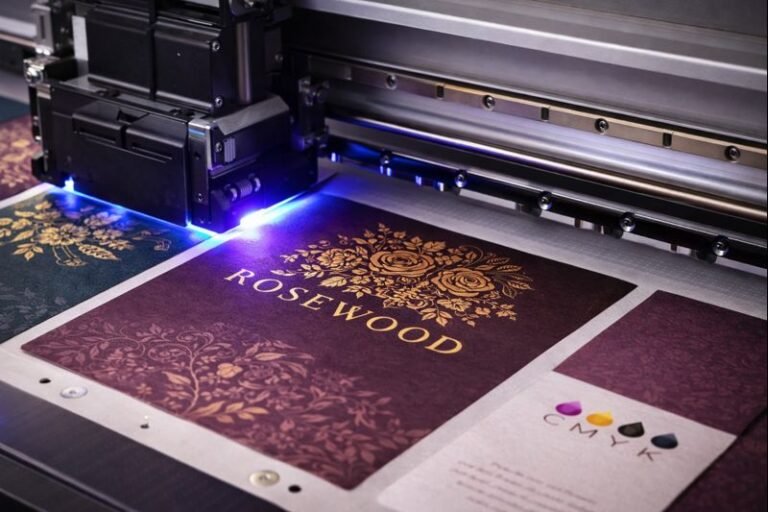
UV printing uses ultraviolet light to instantly cure or dry ink as it is printed. Unlike conventional inks that dry through evaporation or absorption, UV inks harden immediately when exposed to UV light. This process prevents ink from spreading, soaking into the material, or smudging.
Because the ink cures instantly, UV printing produces crisp lines, vibrant colors, and high-detail graphics. The finished surface is dry to the touch as soon as printing is completed, allowing for faster production and handling.
How the UV Printing Process Works
During UV printing, specially formulated inks are applied to the surface of a material. Immediately after application, UV lamps pass over the ink, triggering a chemical reaction that causes the ink to solidify.
This instant curing process allows the ink to sit on top of the material rather than being absorbed. As a result, colors appear brighter and more consistent, even on non-porous surfaces.
The process also reduces drying time to zero, which improves efficiency and minimizes production delays.
Materials Suitable for UV Printing
One of the biggest advantages of UV printing is its versatility. It can be used on a wide range of substrates, making it ideal for packaging applications.
UV printing works well on:
- Paper and cardboard
- Coated and uncoated packaging materials
- Plastic sheets and films
- Glass and metal surfaces
- Wood and specialty materials
This flexibility allows brands to experiment with different packaging designs and materials without changing printing methods.
UV Printing in Packaging Applications
In packaging, UV printing is often used when high visual quality and durability are required. It is commonly applied to custom boxes, labels, inserts, and promotional packaging.
Because the ink sits on the surface, UV printing delivers strong color contrast and fine detail. This makes it suitable for logos, product names, decorative patterns, and photographic images.
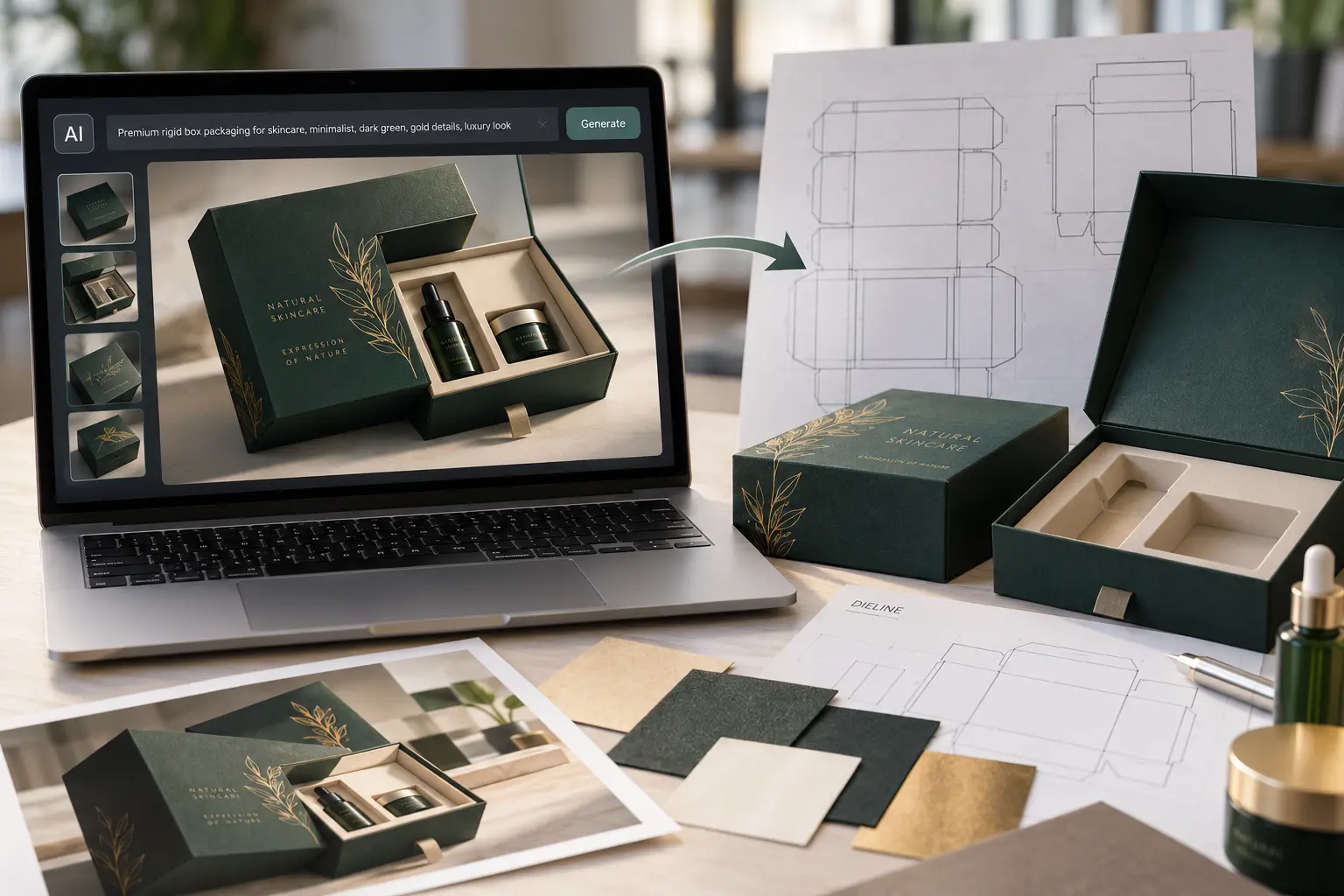
UV printing is also frequently used in combination with other finishing techniques, such as embossing, foil stamping, or spot UV coatings, to enhance the overall appearance of packaging.
Advantages of UV Printing
UV printing offers several benefits compared to traditional printing methods.
It produces:
- Sharper images and cleaner edges
- More vibrant and consistent colors
- Smudge-resistant and scratch-resistant prints
- Faster production due to instant curing
- Reduced ink absorption on materials
Because there is no drying time, printed items can move directly to cutting, folding, or assembly, improving production speed.
UV Printing vs Traditional Printing Methods
Traditional printing relies on ink absorption and air drying, which can lead to color variation and longer production times. UV printing eliminates these issues by curing ink instantly.
Compared to standard offset or digital printing, UV printing provides better results on non-porous and specialty materials. It is especially useful for short to medium production runs that require premium visual quality.
Environmental Considerations
UV printing is often considered more environmentally friendly than traditional solvent-based printing. UV inks contain fewer volatile organic compounds (VOCs), which reduces harmful emissions during printing.
Additionally, the efficient curing process reduces energy usage and material waste, contributing to a cleaner production environment.
When UV Printing Is the Right Choice
UV printing is ideal when:
- High print quality is a priority
- Printing is required on non-absorbent materials
- Fast turnaround is needed
- Durability and resistance are important
For packaging that needs to look premium and withstand handling, UV printing offers a reliable solution.