In a crowded marketplace, packaging has moved far beyond its original purpose of simple protection. It now serves as a primary marketing channel. During competitive holiday seasons, the package is often the first physical interaction a customer has with a brand, making it a critical tool for communicating value and standing out on the shelf.
The Strategic Value of Seasonal Packaging
The real question is why you should invest in seasonal packaging. The answer lies in the powerful psychological triggers that festive designs activate. Colors, textures, and imagery associated with holidays can evoke strong feelings of nostalgia and excitement, directly influencing a customer’s decision to make a purchase. Think about the last time you saw a beautifully designed product on a shelf. Did it just sit there, or did it seem to invite you to pick it up?
This initial attraction is only the beginning. A superior unboxing experience transforms a simple transaction into a memorable event. Customers who feel delighted by their purchase are far more likely to share it on social media platforms like Instagram and TikTok. This organic exposure turns your customers into brand advocates, generating authentic marketing that money cannot buy. When a product looks as good as it feels, it creates a moment worth capturing and sharing.
Ultimately, premium packaging is directly tied to business outcomes. It elevates a product’s perceived value, which can justify a higher price point and improve profit margins. For businesses looking to increase sales with product packaging during peak shopping seasons, a thoughtful design can be the deciding factor. It’s not just a box; it’s a silent salesperson working for you in stores and online, especially with well-planned branded packages for retail stores.
The strategic benefits are clear:
- Enhanced Perceived Value: A premium package makes the product inside feel more valuable.
- Increased Brand Loyalty: A memorable unboxing experience creates a positive emotional connection.
- Organic Social Media Marketing: “Instagrammable” packaging encourages user-generated content.
- Improved Sales Performance: Attractive packaging captures attention and drives impulse purchases.
Key Elements of High-Converting Seasonal Design

Moving from strategy to execution requires a focus on the practical elements of design. Effective seasonal packaging is not just about adding a snowflake or a heart; it’s a careful balance of campaign goals, material choices, and brand storytelling.
Aligning Design with Campaign Goals
Before a single design element is chosen, you must ask: what is the goal? Are you aiming to encourage an impulse buy at the checkout counter with a small, eye-catching box? Or are you creating a collectible keepsake that customers will hold onto long after the product is gone? The objective dictates the design. A campaign focused on luxury will require a different approach than one centered on fun and accessibility.
The Role of Materials and Finishes
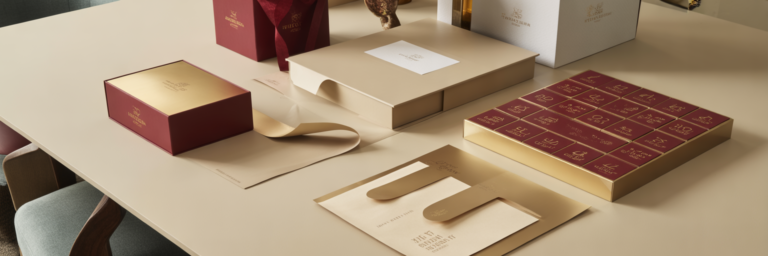
How a package feels is just as important as how it looks. Tactile elements create a sensory experience that communicates quality. A soft-touch coating feels velvety and modern, while foil stamping adds a touch of festive luxury. These are the details that separate standard packaging from a premium experience. Many brands work with specialized luxury gift box manufacturers USA to explore options like embossing, which adds texture and an impression of high craftsmanship. The right finish makes a product feel substantial and well-considered.
Weaving Brand Storytelling into Packaging
Seasonal designs should complement, not erase, your brand identity. The key is to integrate festive elements in a way that feels authentic. For example, a minimalist brand might use a subtle metallic foil on its logo rather than covering its box in loud patterns. Maintaining brand colors, fonts, and logo placement ensures customers recognize you instantly. Achieving this delicate balance often benefits from professional guidance, which is where a dedicated packaging design service can provide immense value.
| Finish Type | Consumer Perception | Best For | Relative Cost |
|---|---|---|---|
| Matte Lamination | Modern, sophisticated, understated | Cosmetics, tech gadgets, minimalist brands | $$ |
| Foil Stamping (Gold/Silver) | Luxurious, festive, premium | Jewelry, high-end confectionery, spirits | $$$ |
| Embossing/Debossing | Elegant, tactile, high-craftsmanship | Invitations, perfume boxes, leather goods | $$$ |
| Soft-Touch Coating | Velvety, high-end, sensory | Any product where a tactile experience matters | $$ |
| Spot UV Gloss | Highlights specific elements, creates contrast | Logos, patterns, call-to-action text | $$ |
Advent Calendars as a Premier Sales Driver
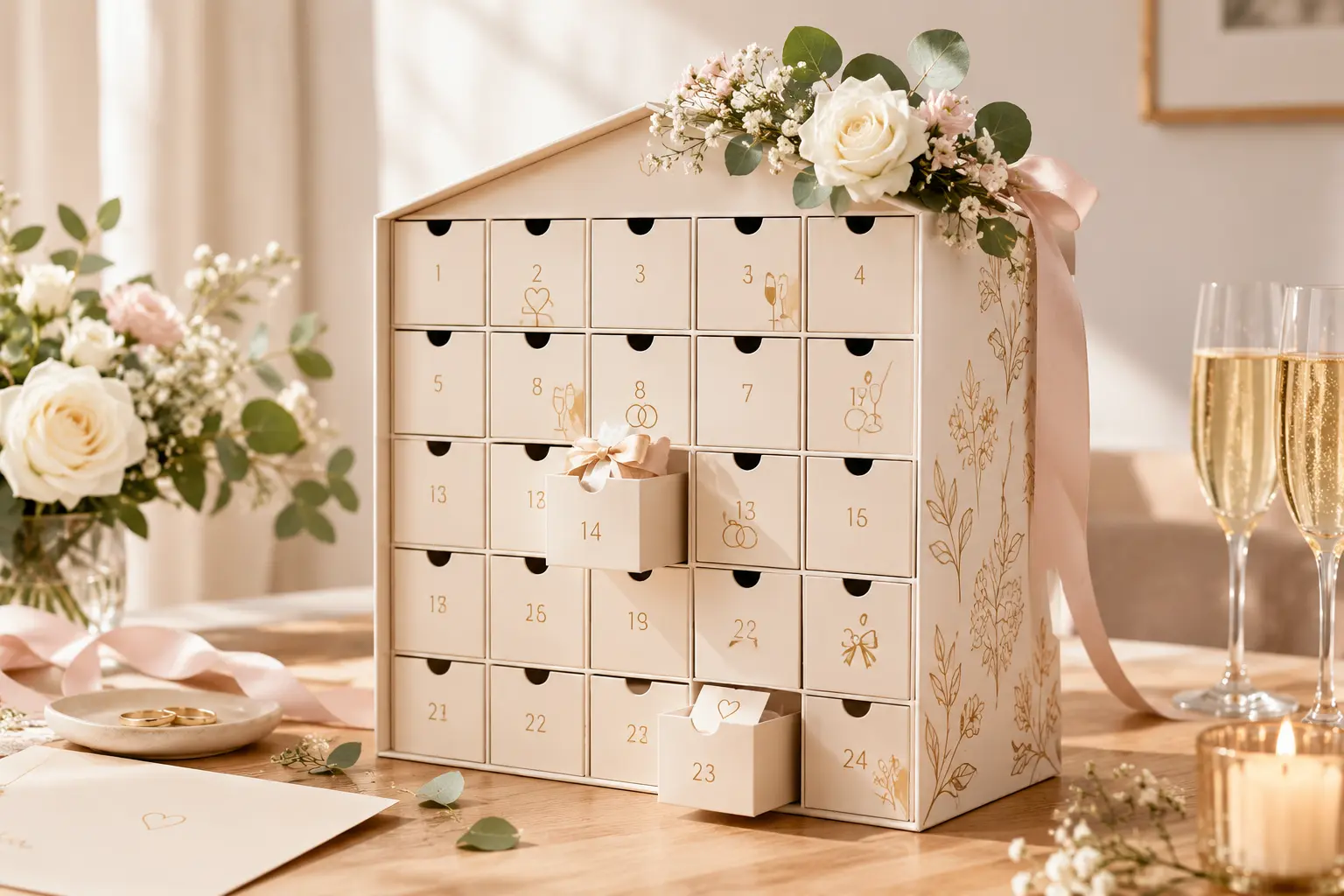
While many forms of seasonal packaging offer great returns, the Advent calendar stands in a category of its own. Its unique power lies in creating a daily engagement ritual. For nearly a month, your brand becomes a part of the customer’s daily routine, building anticipation and keeping your products top-of-mind during the most competitive shopping period of the year.
One of the most significant strategic benefits is the ability to drive sales in October and November. By launching early, businesses can secure revenue and improve forecasting long before the December rush. This proactive approach helps with inventory management and smooths out operational demands. Instead of reacting to the holiday chaos, you are setting the pace.
A custom advent calendar for products also functions as a brilliant discovery tool. It allows brands to introduce customers to a wide range of items in sample sizes. This format is perfect for cosmetics, gourmet foods, beverages, and more. When customers discover a new favorite, they are highly likely to return for a full-size purchase. Confectionery brands, for instance, have mastered this by using calendars to showcase their diverse flavors, often leading to future sales of their custom candy packaging assortments.
The return on investment is proven. Major brands like Lego and Lindt have turned these calendars into annual traditions that their customers eagerly await. But it’s not just for global giants. As a case study from Smurfit Kappa highlights, innovative brands like Beer52 use custom advent calendars to elevate product appeal and reinforce brand storytelling. By presenting their products in such an engaging format, they create an experience that goes far beyond the items inside, building a loyal community around their brand.
Versatile Packaging for Targeted Promotions
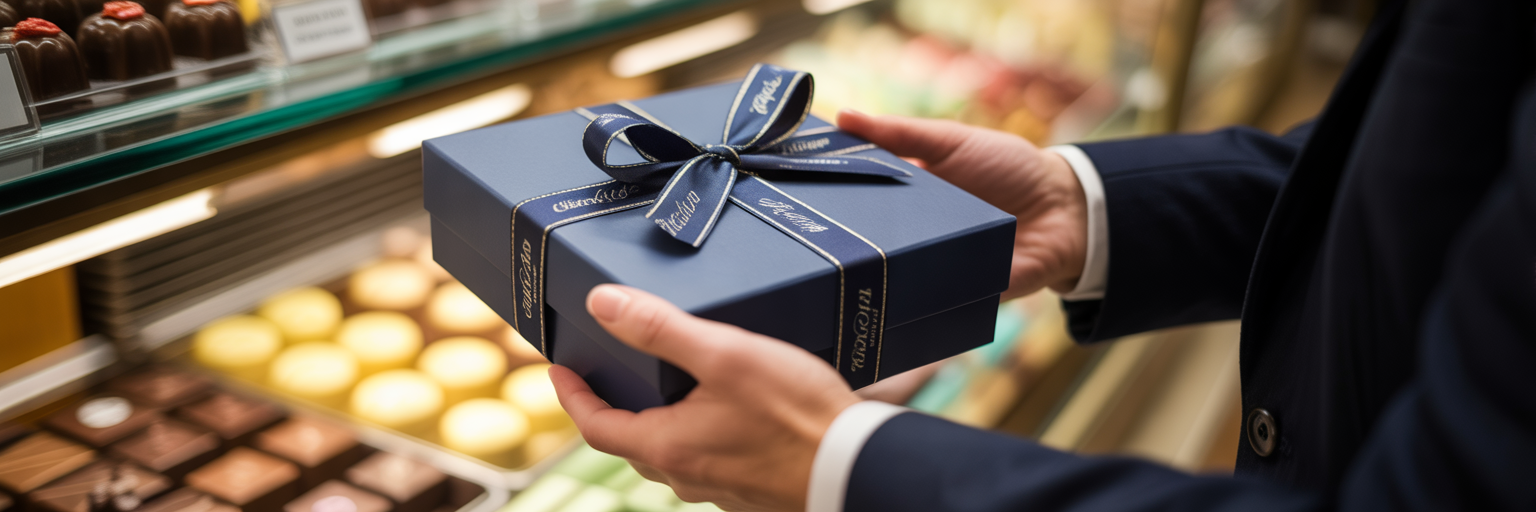
Beyond the winter holidays, the calendar is filled with opportunities for targeted promotions. Agile and adaptable packaging solutions allow businesses to capitalize on seasons like Valentine’s Day, Mother’s Day, or even the start of summer. This is where options like custom gift boxes, branded sleeves, and themed pouches offer incredible flexibility.
These solutions can temporarily transform a standard product into a special-edition gift without requiring any changes to the core product itself. A simple, elegant sleeve can turn a regular box of chocolates into a perfect Valentine’s Day present. This approach is especially effective for seasonal packaging for small business, as it provides a high-impact marketing tool without the need for a massive inventory overhaul. It allows for quick pivots and creative campaigns throughout the year.
Custom boxes are also ideal for creating product bundles and gift sets. By grouping complementary items together in a beautifully designed package, you can significantly increase the average order value. A skincare brand, for example, might bundle a cleanser, serum, and moisturizer into a “Spring Refresh Kit.” These curated collections, presented in our custom gift boxes for businesses, not only offer great value to the customer but also introduce them to more of your product line.
Finally, never underestimate the power of scarcity. Marketing your seasonal packaging as a “limited edition” creates a sense of urgency that motivates immediate purchases. When customers know that a unique design is only available for a short time, they are less likely to delay their decision. This strategy turns your packaging into a collectible item and a compelling reason to buy now.
Measuring the Return on Your Packaging Investment
A successful packaging campaign should deliver measurable results. To truly understand your holiday packaging ROI, it is essential to track performance beyond just anecdotal feedback. By focusing on a few key metrics, you can quantify the impact of your investment and refine your strategy for future campaigns.
Here are four practical ways to measure your success:
- Direct Sales Lift: The most straightforward metric. Compare sales data from the promotional period against a baseline from a non-promotional period. Did the introduction of seasonal packaging correspond with a noticeable increase in revenue?
- Social Media Engagement: Track campaign-specific hashtags, mentions, and user-generated content. A surge in customers sharing photos of your packaging is a clear indicator of its appeal and reach.
- Qualitative Customer Feedback: Monitor product reviews and social media comments. Are customers specifically mentioning the packaging? Positive comments about the unboxing experience are a strong sign of a successful design.
- Repeat Purchases and Lifetime Value: For campaigns like Advent calendars, track if customers who bought the seasonal item returned to purchase full-sized products. This helps measure the long-term value generated by the initial discovery.
Of course, a high-impact packaging run requires an initial investment. For businesses planning their first major campaign, securing upfront capital can be a consideration. Fortunately, as noted by resources like Quidflow Capital, various financing options are available to help fund projects that promise a strong return.