One of the first technical decisions a brand runs into when ordering custom packaging is which printing method to use. It’s not just a manufacturing detail — the choice between digital and offset printing directly affects unit cost, color accuracy, order flexibility, and how quickly a project can move from design file to finished box. Neither method is universally “better.” Each is built for a different combination of volume, budget, and design complexity, and picking the wrong one for your situation is one of the more common (and avoidable) ways brands overspend on packaging.
This guide breaks down how the two methods actually work, where each one wins, and how to decide which fits a given packaging order.
How Offset Printing Works
Offset printing is the older, more established of the two methods, and it’s still the industry standard for high-volume print runs. The process transfers ink from a printing plate to a rubber “blanket,” which then rolls the image onto the packaging substrate. Each color in the design requires its own plate, and those plates are calibrated and mounted onto the press before the run begins.
That plate-based setup is the key to understanding offset’s economics. Creating the plates and calibrating the press (a process called “makeready”) takes time and costs money regardless of how many units are eventually printed. Once the press is running, though, the marginal cost of each additional box drops sharply. This is why offset printing rewards volume: the setup cost gets spread across thousands or tens of thousands of units, and the per-unit price becomes very competitive at scale.
Offset also uses genuine ink (rather than toner or liquid ink from a digital print head), which produces exceptionally accurate, consistent color — especially important for brands with a specific Pantone color in their identity, since offset can match spot colors with precision that digital printing sometimes struggles to replicate exactly.
How Digital Printing Works
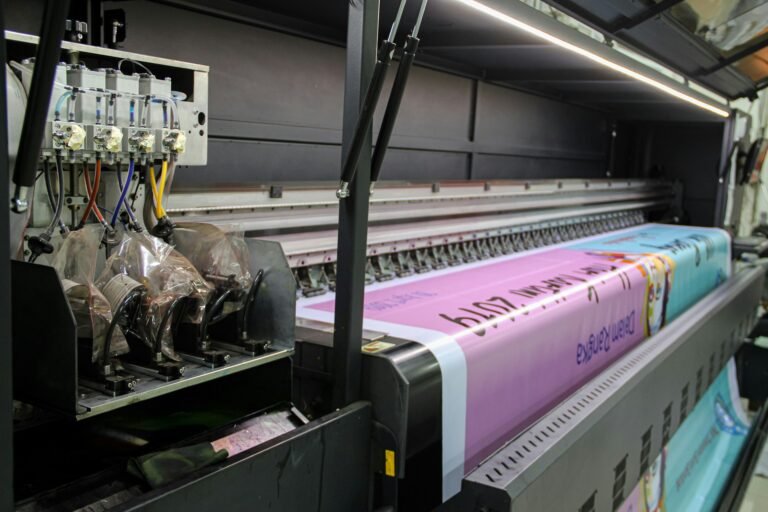
Digital printing skips the plate-making step entirely. Artwork is sent directly from a computer file to the press, similar to how a high-end office printer works, just at industrial scale and with packaging-grade substrates. Because there’s no plate to create, there’s essentially no meaningful setup cost, and a press can switch from one design to a completely different one between runs with no retooling.
This makes digital printing the clear choice for short runs, rapid prototyping, and any project where the design might change between batches. It also opens the door to variable data printing — where every single box in a run can have a unique element, such as a sequential number, a personalized name, or a QR code tied to an individual customer. That capability is difficult and expensive to replicate with offset.
The tradeoff is that digital printing’s per-unit cost doesn’t drop nearly as steeply with volume. A run of 50,000 identical boxes will almost always be cheaper per unit on an offset press; a run of 500 boxes will almost always be cheaper per unit digitally, because there’s no plate cost to absorb.
Cost Comparison: Where Each Method Wins
The single biggest factor in choosing between the two is order volume, but it’s worth breaking down exactly why:
- Small runs (under roughly 1,000–2,500 units): Digital printing wins almost every time. There’s no plate cost to spread across a small batch, so the total project cost stays manageable. This is the sweet spot for new product launches, seasonal or limited-edition SKUs, and brands still validating demand before committing to a larger order.
- Mid-size runs (roughly 2,500–10,000 units): This is the gray zone where the right answer depends on design complexity, number of colors, and how firm the design is. If the artwork is finalized and unlikely to change, offset often starts to pull ahead on cost. If the brand anticipates tweaking the design or wants to test multiple variants, digital keeps things flexible.
- Large runs (10,000+ units): Offset printing is almost always more cost-effective at this scale. The plate cost becomes a rounding error relative to the total order, and offset’s lower per-unit ink and press-time costs compound into meaningful savings.
It’s also worth noting that these thresholds shift depending on the number of colors and the complexity of the design — a five-color design with fine detail pushes the offset breakeven point higher, since more plates mean more setup cost, while digital printing’s cost per unit stays flat regardless of how many colors are used.
Quality and Finish Differences
Offset printing generally delivers a slightly richer, more consistent result on large solid color fields and fine text, and it remains the more reliable choice for exact Pantone color matching. For brands with strict brand guidelines around a specific shade — a common requirement for established consumer brands — offset is usually the safer bet.
Digital printing quality has improved dramatically over the last decade and is now very close to offset for most practical purposes, particularly for photographic images and gradients, where digital presses often have a slight edge. Where digital can still fall a little short is in exact spot-color matching and on very large solid-ink areas, where subtle banding can sometimes appear.
Neither method is inherently better for special finishes like foil stamping, embossing, or spot UV coating — those are typically applied as separate post-print processes regardless of which printing method was used for the base design.
Turnaround Time
Digital printing has a clear edge on turnaround. Without plates to create and calibrate, a digital job can often move from approved artwork to finished product significantly faster than an equivalent offset job. This matters most for brands working against a tight launch date, running a last-minute seasonal promotion, or needing samples quickly to evaluate before committing to a larger order.
Offset printing requires more lead time upfront for plate creation and press setup, but once a project is running, large volumes can be produced relatively quickly. The lead-time disadvantage is really concentrated at the start of the project, not spread across the whole run.
Minimum Order Quantities and Flexibility
Because digital printing carries no plate cost, it also tends to come with much lower minimum order quantities — making it accessible for smaller brands, startups, and businesses testing a new market before scaling up. Offset printing, by contrast, is typically only offered above a certain minimum volume, since below that threshold the plate cost makes the per-unit price uncompetitive regardless of the discount offered on ink and press time.
This has a direct implication for private-label and multi-SKU businesses: a brand testing several product variants at once often benefits from starting each one digitally, then shifting the top-performing SKUs to offset once volume justifies the switch — rather than committing offset-scale plate costs to a product line that hasn’t yet proven demand.
Which Should You Choose?
A useful way to think about it: digital printing optimizes for flexibility and speed, offset printing optimizes for cost efficiency and color precision at scale. In practice, many growing brands use both at different stages of their lifecycle — digital for early product launches, sample runs, and short seasonal drops, then transitioning to offset once a product proves itself and moves into steady, high-volume reorders.
A few practical questions can help clarify which method fits a specific order:
- Is this a first production run for a new product, or a proven reorder?
- How many total units are needed, and how often will this design repeat?
- Does the brand identity depend on an exact, repeatable color match?
- Is there a chance the design will change before the next order?
- How tight is the timeline between artwork approval and delivery?
Answering those questions upfront — ideally with input from your packaging manufacturer, who can quote both methods against your actual specifications — takes the guesswork out of the decision and avoids paying a premium for a production method that doesn’t match the order size.
Not sure which printing method fits your next packaging order?