The New Standard for Luxury Brand Presentation
In the United States, the definition of luxury has shifted. High-end shoppers increasingly look beyond the product itself to the values a brand represents, and sustainability is now a powerful indicator of quality. For luxury brands, this means that packaging is no longer just a container; it is a statement. The hesitation to move away from familiar plastics often comes from a fear of compromising that premium unboxing moment. We have all felt the satisfying heft of a well-made box or the smooth finish of a protective sleeve.
However, this transition is not about sacrifice. It is an opportunity to deepen your brand’s story and enhance its perceived value. Thoughtful, eco friendly luxury packaging communicates care and intention, qualities that resonate strongly with today’s consumers. Several sophisticated materials offer an experience that is not only more responsible but also aesthetically superior to plastic, turning a simple purchase into a memorable interaction.
1. Sophisticated Paper and Rigid Board
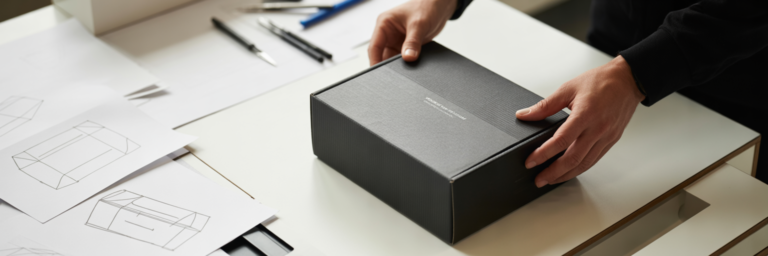
The conversation around sustainable packaging often begins with paper, but its potential goes far beyond simple cardboard. Materials like Forest Stewardship Council (FSC) certified paper and rigid board offer a tactile richness that plastic cannot replicate. The weight, texture, and finish can be customized to perfectly align with your brand’s identity through techniques like embossing, debossing, and foil stamping. This creates an immediate sense of quality the moment a customer holds the box.
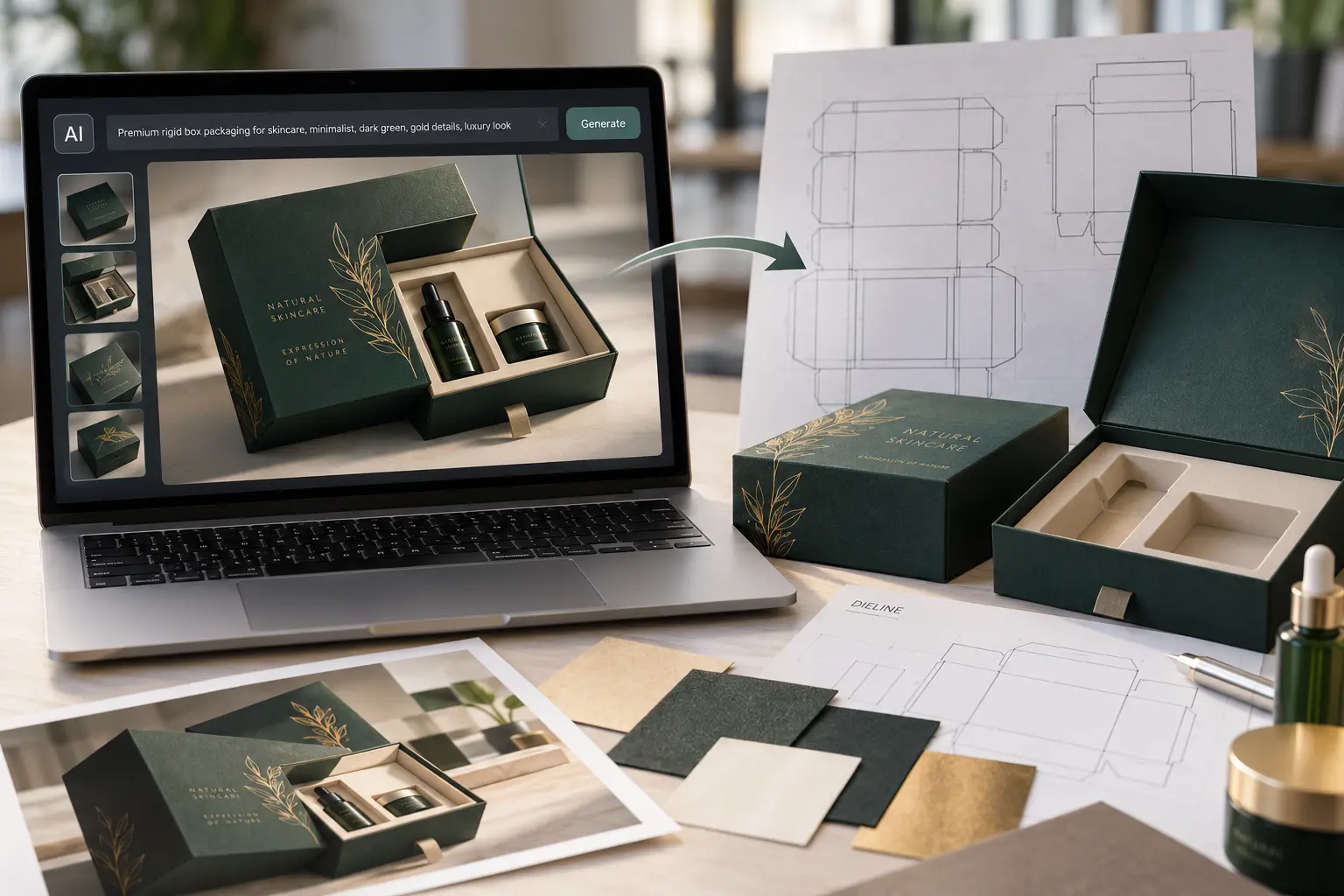
Rigid boxes, in particular, are a cornerstone of luxury presentation. Their sturdy construction provides exceptional protection for high-value items, from delicate electronics to fine wines. We have all received a product in a box so well-made that we could not bring ourselves to throw it away. This is the power of a keepsake. By working with a specialized custom rigid box manufacturer USA, you ensure the design and construction meet exacting standards. These boxes can be tailored for any occasion, and you can find inspiration in the custom gift boxes for businesses we have created that leave a lasting impression.
The key advantages are clear:
- Superior tactile experience and perceived value.
- High degree of customization for brand alignment.
- Excellent product protection for fragile goods.
- Encourages reuse, turning packaging into a lasting brand asset.
Beyond the aesthetics, these materials decompose far more readily than plastic. Using non-toxic, soy-based inks further strengthens your environmental credentials without compromising on vibrant, beautiful graphics.
2. Advanced Plant-Based Bioplastics
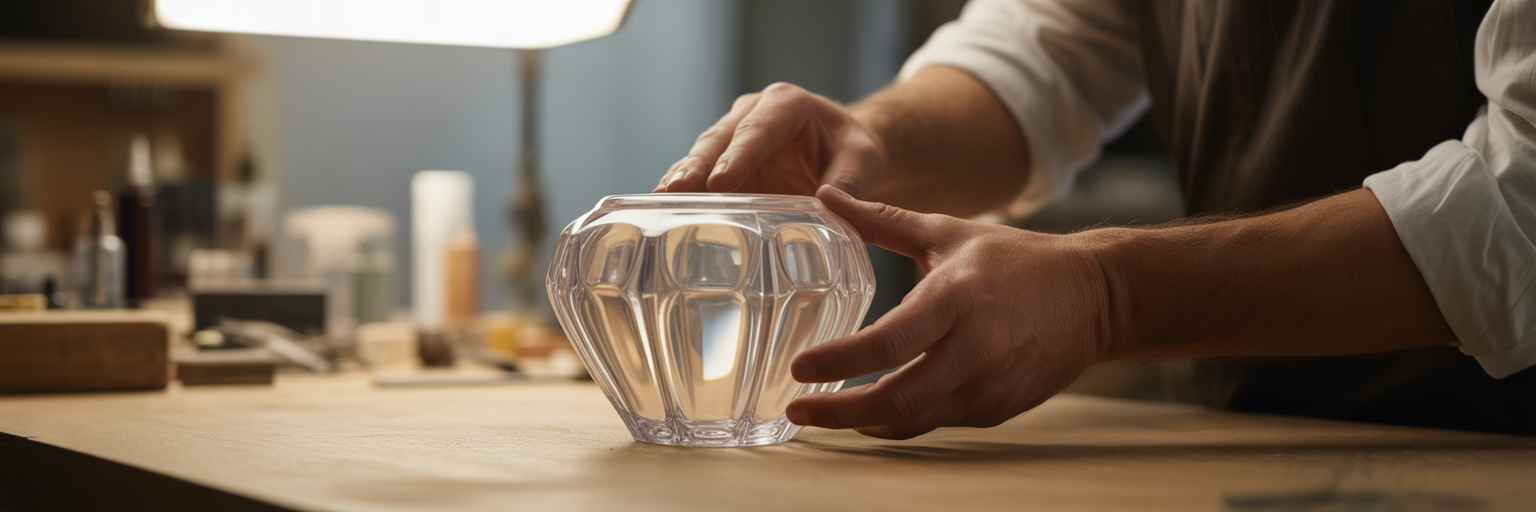
For products that require transparency or unique molded shapes, the move away from conventional plastic can seem challenging. This is where advanced bioplastics like Polylactic Acid (PLA) offer a compelling solution. Derived from renewable resources such as cornstarch instead of fossil fuels, they mimic the look and feel of traditional plastic while having a much smaller environmental footprint. Think of the clear window on a box of macarons or the protective inner tray for a skincare set.
It is important to be transparent with customers about the material’s end-of-life. A common point of confusion is the difference between “biodegradable” and “compostable.” While many bioplastics are compostable, they often require the high temperatures of an industrial composting facility to break down properly. This is a crucial detail to communicate, as it manages expectations and reinforces your brand’s honesty. Contrary to the misconception that bioplastics feel cheap, modern formulations offer a rigid, high-clarity finish. This makes them an excellent choice for brands looking to implement our solutions for sustainable packaging for cosmetics without compromising on a crystal-clear, luxurious presentation.
3. Custom-Molded Pulp Fiber
When you hear “molded pulp,” you might picture a basic egg carton. But the high-end version of this material is in a different league entirely. Made from recycled paper or fast-growing natural fibers like bamboo and sugarcane, molded pulp can be formed into custom shapes that cradle your product perfectly. This precision fit provides outstanding shock absorption, making it ideal for fragile items that need to be held securely in place.
Instead of a rough, utilitarian texture, premium molded pulp offers a smooth, refined finish. Its soft, matte surface conveys a natural, earthy luxury that feels both modern and timeless. It can even be dyed to match your brand’s specific color palette. Imagine a deep emerald green insert for a bottle of aged whiskey or a soft cream-colored holder for a handcrafted ceramic piece. This material is a perfect fit for premium alcohol packaging solutions where both protection and elegance are paramount. Whether for spirits, electronics, or confections, these custom inserts offer a perfect fit, and you can explore our various packaging categories to see how this material can be adapted.
4. Reusable and Refillable Systems
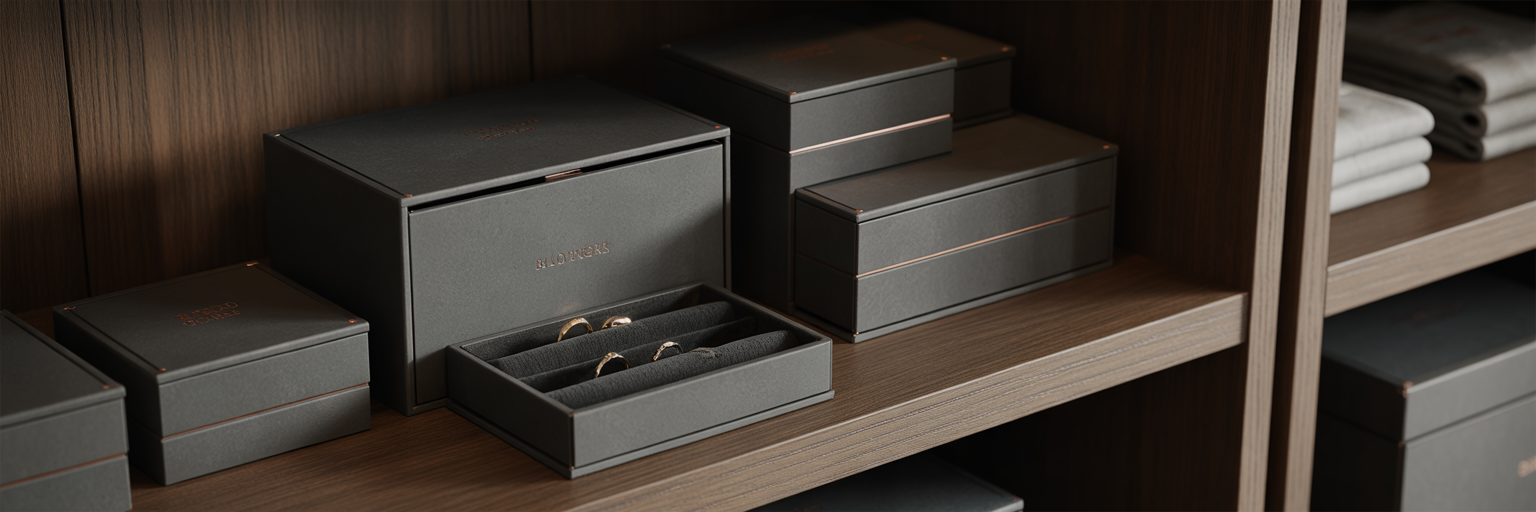
Perhaps the most impactful approach to sustainability is to design packaging that is never thrown away at all. Reusable and refillable systems shift the paradigm from disposable to permanent, transforming the package into a long-term brand asset. Materials like glass, aluminum, and high-quality, durable rigid boxes can be designed to be kept, repurposed, or returned for a refill. This strategy creates what feels like a “second gift,” significantly enhancing the product’s perceived value and building deep brand loyalty.
Consider a modular rigid box for a watch that becomes a permanent case for storing cufflinks and other accessories, creating elegant and plastic free jewelry boxes. Or a heavy, beautifully designed glass perfume bottle that customers can bring back to the store for a refill at a discount. A beautifully constructed box can be repurposed for storage, offering a sustainable and elegant solution from our range of custom jewelry packaging for businesses. These systems do more than just reduce waste; they create an ongoing relationship with the customer.
| Packaging Type | Primary Use Model | End-of-Life Path | Brand Perception |
|---|---|---|---|
| Conventional Plastic | Single-Use | Landfill or complex recycling | Disposable, low value |
| Recyclable Paper/Board | Single-Use | Recyclable, compostable | Responsible, thoughtful |
| Compostable Bioplastic | Single-Use | Industrial or home composting | Innovative, eco-conscious |
| Reusable System (Glass/Rigid Box) | Multi-Use / Refillable | Repurposed or returned | Permanent, high value, luxury |
This table contrasts the journey of different packaging materials after unboxing. It highlights how reusable systems create lasting value and a stronger brand connection compared to disposable alternatives.
5. Innovative Mycelium and Bamboo
For brands that want to position themselves as true pioneers, some of the most exciting alternatives to plastic packaging come directly from nature. Mycelium, the root structure of mushrooms, is a revolutionary material that is literally “grown” into custom-molded shapes. It offers protective qualities comparable to polystyrene foam but is entirely natural and home-compostable. Its unique, organic texture and fascinating origin story provide a powerful narrative about innovation and circular design.
Bamboo is another forward-thinking choice. As one of the fastest-growing plants on Earth, it is a highly renewable resource. Its versatility is remarkable, allowing for everything from sturdy, polished boxes with a clean, modern feel to lightweight woven containers with a natural, spa-like aesthetic. Its rapid growth cycle stands in stark contrast to traditional hardwoods, underscoring its sustainable credentials. These innovative materials are not just conceptual; as highlighted by PKG Branding, many experts predict that options like mycelium and bamboo will be central to luxury packaging design, balancing elegance with a strong environmental message.
Making the Right Sustainable Choice for Your Brand
The best sustainable material is not a one-size-fits-all solution. The right choice depends entirely on your product, your brand’s story, and what your customers value. To find the perfect fit, ask yourself these questions:
- Product Protection: What level of durability and security does your item require? A fragile glass bottle has different needs than a silk scarf.
- Brand Aesthetic: Which material’s texture, finish, and story best align with your brand’s identity? Are you earthy and natural, or sleek and modern?
- End-of-Life Plan: Do you want your packaging to be reused, recycled, or composted? How will you clearly communicate this to your customers?
Transitioning to sustainable packaging is a strategic investment in your brand’s future. For many growing brands, funding this transition is a key consideration, and exploring financial options like small business loans for startups can provide the necessary capital. Engaging with a specialist in custom packaging solutions can streamline this process, ensuring your final product is both beautiful and responsible.