Cardboard boxes are one of the most widely used packaging materials in the world, especially in e-commerce, logistics, and retail. As sustainability becomes a priority for businesses and consumers alike, a common question arises: are cardboard boxes recyclable? The short answer is yes—but with some important conditions.
Why Cardboard Is Considered a Sustainable Material
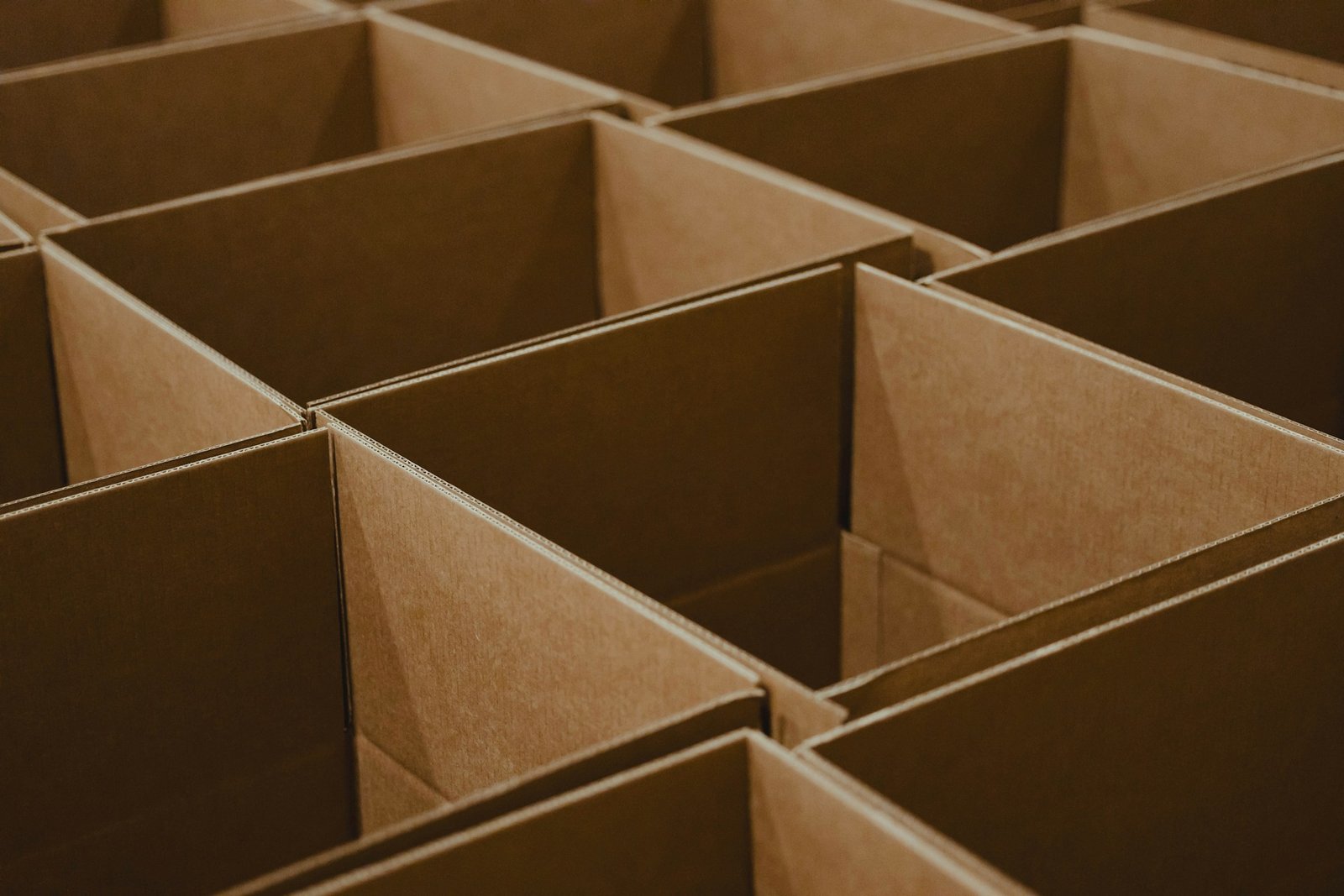
Cardboard is made primarily from paper fibers, which come from renewable resources such as wood pulp. Unlike plastic packaging, cardboard breaks down naturally and can be recycled multiple times. This makes it one of the most environmentally friendly packaging materials available today.
Most cardboard boxes used for shipping, product packaging, and storage are designed specifically with recyclability in mind.
Types of Cardboard and Their Recyclability
Not all cardboard is the same, but most common types are recyclable:
- Corrugated cardboard (used for shipping boxes) is highly recyclable and accepted by virtually all recycling programs.
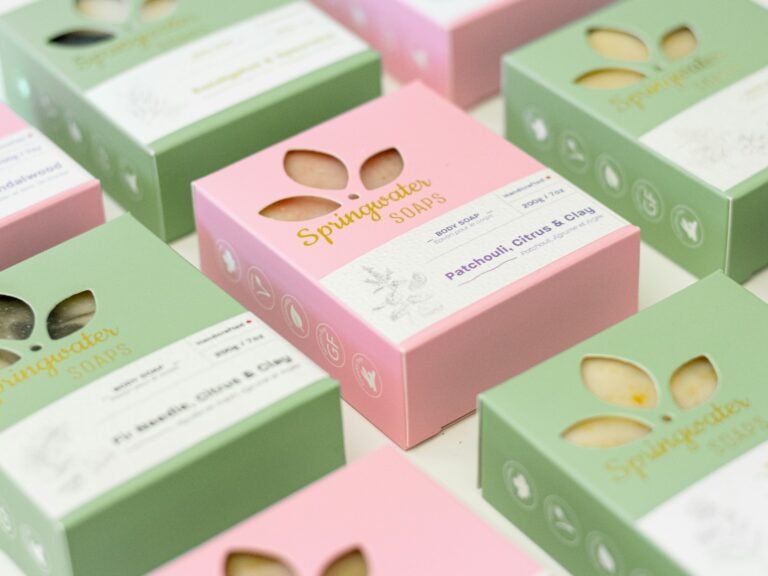
- Paperboard (used for folding cartons, cosmetic boxes, and food packaging) is also recyclable in most cases.
- Rigid cardboard (used in luxury packaging) can be recycled, though it may require separation of laminated layers.
As long as the cardboard is clean and dry, it is usually suitable for recycling.
What Can Prevent Cardboard from Being Recycled?
Although cardboard is recyclable, certain factors can make it unsuitable for recycling:
- Food contamination: Grease, oil, or food residue can ruin paper fibers.
- Plastic coatings or wax layers: Some boxes used for frozen or fresh food are wax-coated, which can be harder to recycle.
- Heavy lamination or foil finishes: Luxury packaging with thick laminates may need special processing.
- Non-paper inserts: Foam, plastic trays, or magnets should be removed before recycling.
Separating different materials before disposal greatly improves recyclability.
How Many Times Can Cardboard Be Recycled?
Cardboard fibers can typically be recycled 5 to 7 times before they become too short to be reused. Each recycling cycle slightly weakens the fibers, which is why recycled cardboard is often mixed with a portion of virgin fiber to maintain strength.
This recycling loop significantly reduces the need for new raw materials and lowers energy and water consumption.
Environmental Benefits of Recycling Cardboard
Recycling cardboard boxes has a measurable positive impact on the environment:
- Reduces landfill waste
- Saves trees and natural resources
- Uses less energy than producing new cardboard
- Lowers carbon emissions
- Reduces water usage in manufacturing
For businesses shipping large volumes of packaging, switching to recyclable cardboard can meaningfully reduce their environmental footprint.
How Businesses Can Improve Cardboard Recyclability
Companies can take simple steps to make their packaging more recyclable:
- Use minimal coatings and finishes
- Avoid unnecessary plastic elements
- Design boxes that ship flat
- Clearly label packaging as recyclable
- Choose water-based inks and adhesives
Thoughtful packaging design not only supports sustainability but also aligns with growing consumer expectations.
Is Cardboard Better Than Other Packaging Materials?
Compared to plastic or mixed-material packaging, cardboard is generally easier to recycle and has a lower environmental impact. While it may not suit every application, cardboard remains one of the best all-around options for sustainable packaging.
If you are looking for custom cardboard packaging, DST-Pack can help you!