Foldable product boxes are one of the most common packaging formats in the world, yet they remain largely unnoticed. Customers rarely compliment them, and brands seldom promote them. Still, they are trusted across industries for one simple reason: when designed properly, they work.
They protect products, move efficiently through supply chains, and quietly support branding without overpowering it. That balance is what makes custom foldable boxes so valuable.
Why So Many Brands Rely on Foldable Packaging
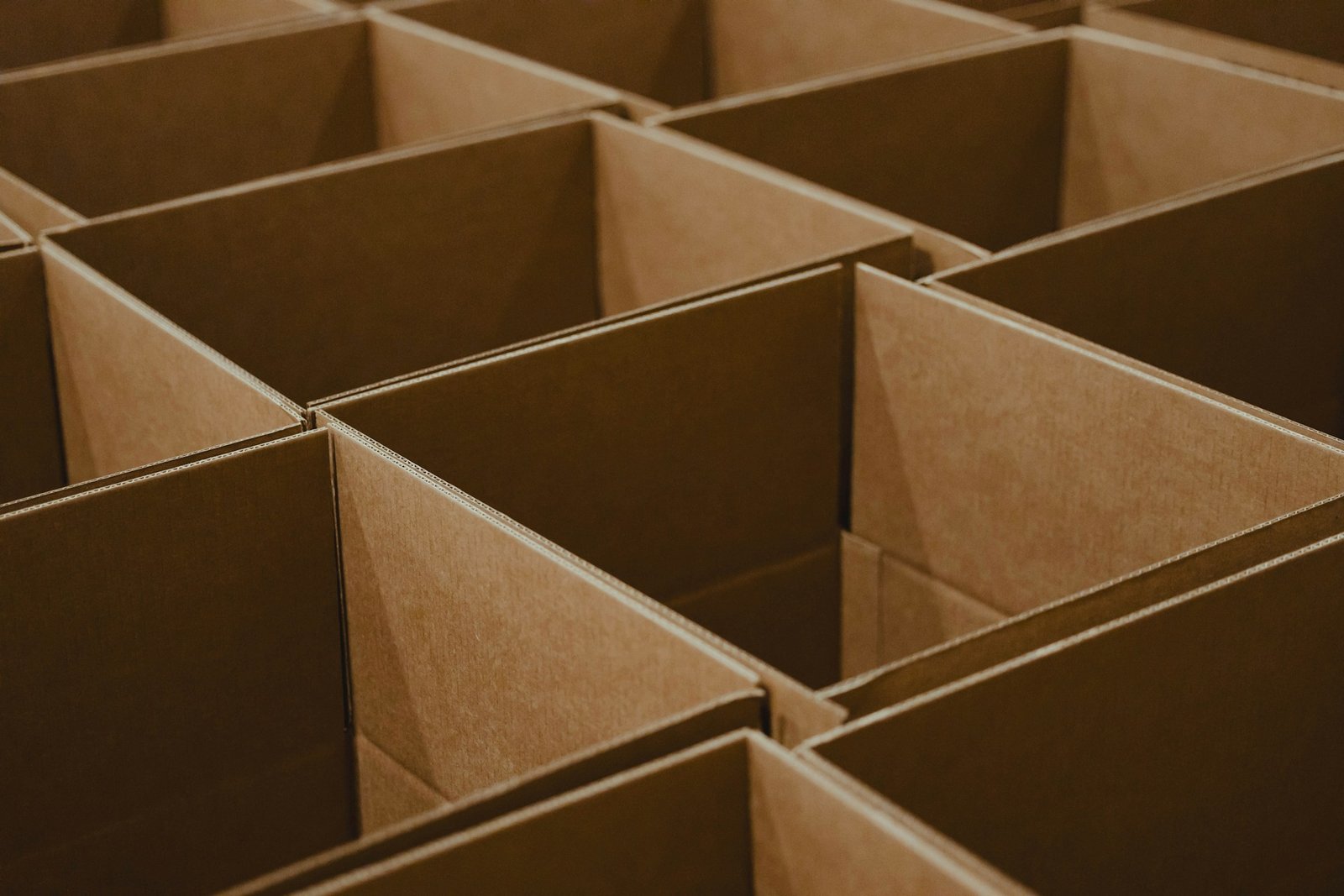
Foldable boxes are designed to travel flat and take shape only when needed. This simple concept reduces storage space, lowers transportation costs, and makes large-scale production easier to manage.
For growing brands or companies operating across multiple markets, this flexibility is critical. Designs can be updated, volumes adjusted, and new product lines introduced without redesigning the entire packaging system.
Efficiency is not the only advantage. Foldable boxes also adapt well to different visual identities, from minimal and clean to bold and expressive.
Structure Is Where the Experience Begins
The way a foldable box opens matters more than most people realize.
Small decisions — how the flaps meet, where the opening starts, or how the product is revealed — influence how customers interact with the packaging. Some boxes open instantly, while others slow the moment down and build anticipation.
Well-designed structures also improve durability. Reinforced bottoms, locking mechanisms, or layered panels allow foldable boxes to securely hold heavier or fragile products without adding unnecessary material.
How Materials Shape Perceived Quality
Material selection defines how a box feels in hand. Lightweight boards are practical for high-volume products, while thicker paperboards introduce a sense of substance and value.
Coated boards provide smooth printing and accurate colors, while uncoated or textured papers create a more natural, understated appearance. Neither option is better by default. The right choice depends on the product, price point, and brand personality.
Customers may not know paper specifications, but they immediately sense quality through touch.
Printing and Finishing Without Overstatement
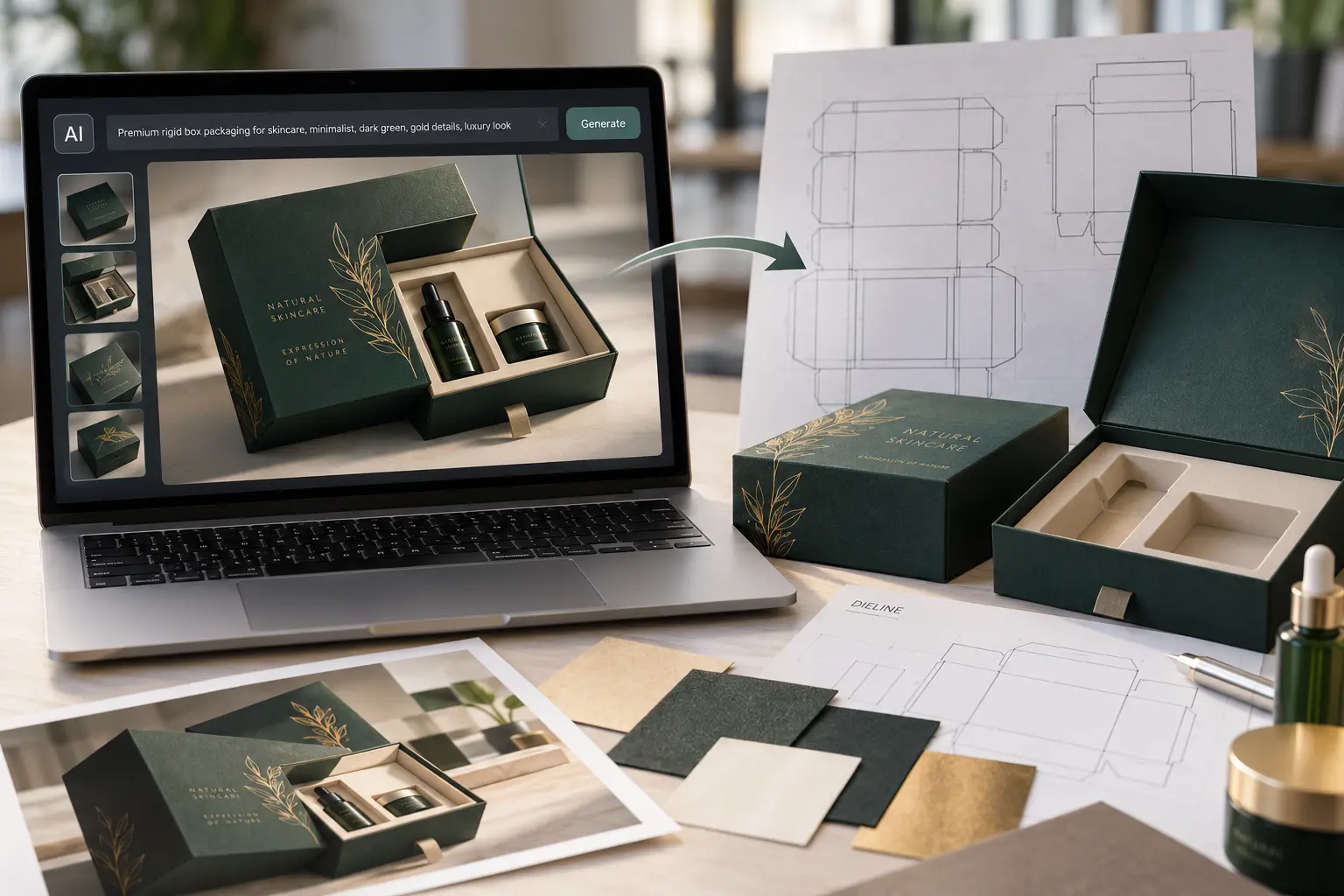
Foldable boxes offer large, continuous surfaces that work exceptionally well for high-quality printing. Offset printing remains the preferred method for detailed graphics and consistent brand colors.
Finishing should enhance the design rather than dominate it. A subtle foil logo, a soft-touch coating, or a restrained emboss can elevate packaging without making it feel excessive.
The most effective foldable packaging often looks simple at first glance and reveals its quality only upon closer interaction.
Foldable Boxes in a Digital Retail World
As e-commerce continues to grow, foldable packaging has become even more relevant. Boxes need to be lightweight, protective, and visually appealing — all at the same time.
Mailer-style foldable boxes combine shipping and product packaging into a single solution, reducing waste and simplifying logistics. When designed carefully, they still deliver a satisfying unboxing experience.
Packaging that survives shipping and still looks good upon arrival builds trust with customers.
A Sustainable Choice That Feels Natural
Foldable product boxes align well with sustainability goals. Paper-based materials are widely recyclable, and flat shipping reduces carbon emissions during transport.
Many brands choose foldable packaging as a practical step toward reducing environmental impact without compromising design or usability.
Sustainability here is not about making claims — it’s about making smarter choices.