Coffee is more than just a beverage. For many customers, it is a daily ritual, a lifestyle choice, and a reflection of personal taste. In such a competitive market, where shelves and online stores are filled with dozens of coffee options, packaging plays a critical role in influencing buying decisions. Coffee packaging boxes are not just containers; they are a key part of branding, product protection, and customer experience.
In this article, we will explore why coffee packaging boxes matter, what materials and structures work best, and how custom packaging can help coffee brands stand out and grow.
Why Coffee Packaging Boxes Are So Important
Coffee is a sensitive product. Exposure to air, moisture, light, and heat can quickly affect its aroma and flavor. High-quality coffee packaging boxes protect the product while also communicating brand values and quality to the customer.
For retail brands, packaging is often the first physical interaction a customer has with the product. Before the coffee is smelled or tasted, the box must convince the buyer that the product inside is worth choosing. For e-commerce brands, packaging also needs to survive shipping while delivering a strong unboxing experience.
Well-designed coffee packaging boxes help to:
- Preserve freshness and aroma
- Protect inner coffee bags during transport
- Build brand recognition and trust
- Differentiate products on shelves and online
- Support premium pricing strategies
Common Types of Coffee Packaging Boxes
Different coffee brands require different packaging solutions depending on their product range, distribution channels, and positioning.
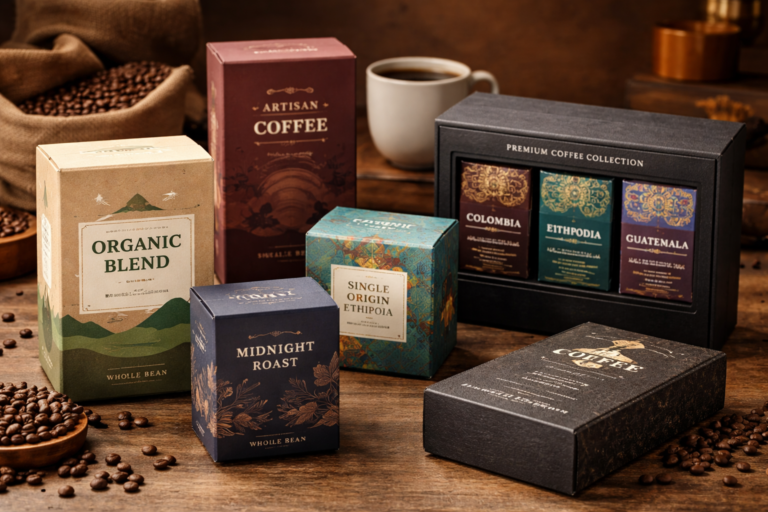
Retail coffee boxes are commonly used to hold coffee bags or capsules and are designed for shelf display. These boxes focus heavily on visual appeal and brand storytelling.
Subscription and e-commerce boxes are designed for shipping multiple coffee products directly to customers. They must be durable, easy to assemble, and optimized for logistics while still maintaining an attractive design.
Gift coffee boxes are popular during holidays and promotional campaigns. These boxes often include multiple coffee varieties, accessories, or tasting sets and use premium materials and finishes to enhance perceived value.
Materials Used for Coffee Packaging Boxes
Choosing the right material is essential for both functionality and sustainability.
Paperboard and folding cartons are widely used for coffee packaging boxes. They are lightweight, cost-effective, and highly customizable. These materials are ideal for printed designs, brand colors, and detailed graphics.
Corrugated cardboard is commonly used for shipping boxes or bulk packaging. It offers stronger protection and is suitable for subscription services and wholesale distribution.
Rigid boxes are used for premium coffee packaging and gift sets. They provide a luxury feel and are often combined with custom inserts to securely hold products in place.
Many coffee brands are now choosing recyclable and eco-friendly materials. Sustainable coffee packaging boxes not only reduce environmental impact but also appeal to eco-conscious consumers, which is increasingly important in today’s market.
Design Elements That Matter in Coffee Packaging
Effective coffee packaging design balances aesthetics with functionality. Color schemes, typography, and imagery should reflect the brand’s identity and target audience. Minimalist designs often work well for specialty coffee brands, while bold graphics may suit mass-market or flavored coffee products.
Clear information is also crucial. Customers want to easily see the coffee origin, roast level, flavor notes, and brewing recommendations. Well-organized layouts improve readability and help customers make quick decisions.
Structural design should not be overlooked. Easy-open features, secure closures, and compatibility with inner packaging such as valve bags or pouches all contribute to a better customer experience.
Custom Coffee Packaging Boxes for Brand Growth
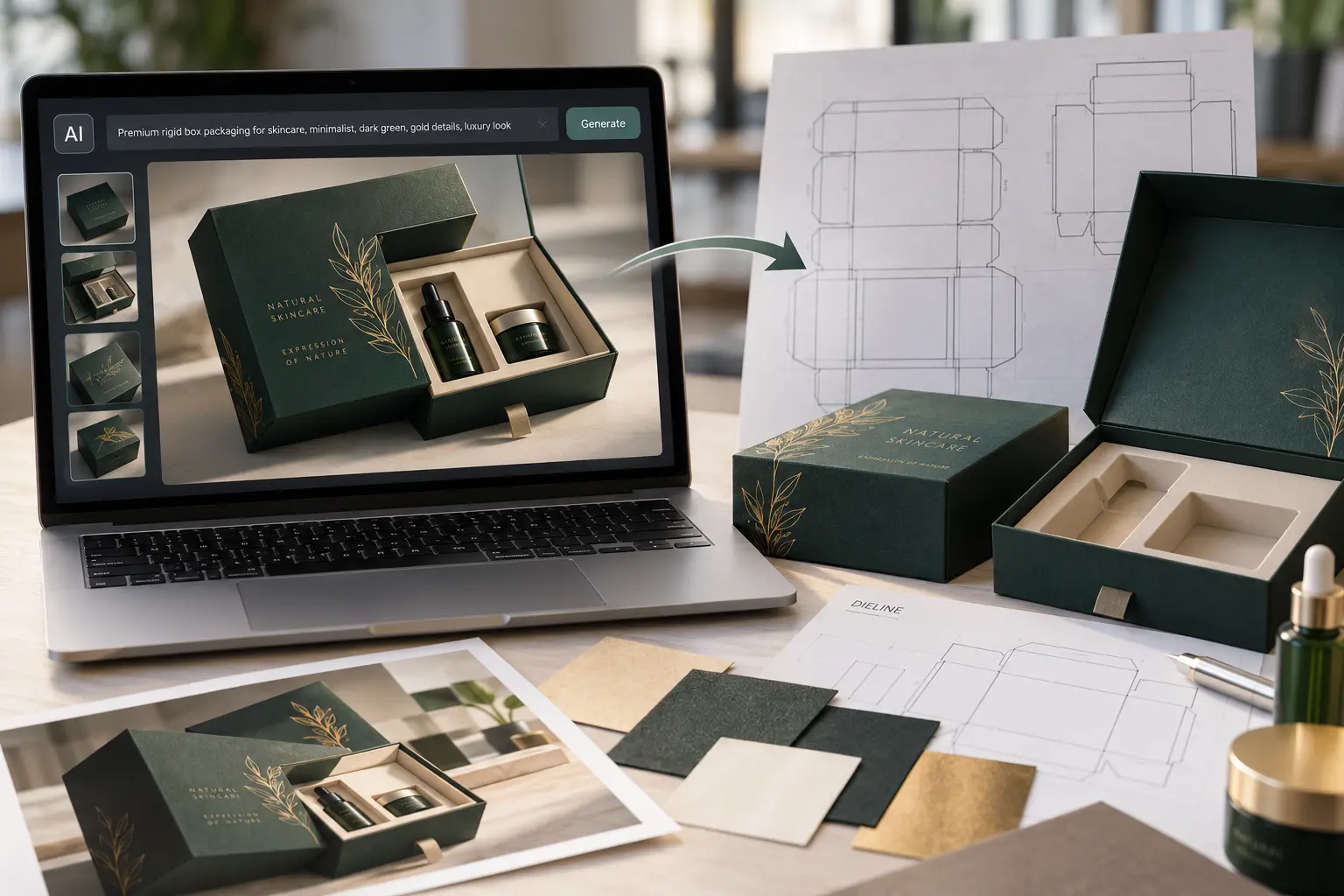
Custom coffee packaging boxes allow brands to fully control how their products are presented. Instead of using generic packaging, custom solutions are designed around the product’s size, weight, and branding needs.
Custom packaging offers several advantages:
- Perfect fit for coffee bags, capsules, or jars
- Unique structures that stand out on shelves
- Consistent branding across different product lines
- Improved protection and reduced damage during shipping
For growing coffee brands, custom packaging also makes it easier to launch seasonal products, limited editions, or promotional campaigns without compromising brand consistency.
Coffee Packaging for Wholesale and Private Label Brands
Wholesale and private label coffee brands have specific packaging requirements. Packaging needs to be flexible, cost-efficient, and scalable while still meeting branding and regulatory standards.
Custom coffee packaging boxes can be adapted for different markets, languages, and labeling requirements. This is especially important for brands selling internationally or supplying multiple retail partners.
Working with an experienced packaging supplier helps ensure that box structures, materials, and printing methods are optimized for large production runs without sacrificing quality.
Choosing the Right Coffee Packaging Partner
Selecting the right packaging manufacturer is just as important as the box design itself. A reliable partner helps with material selection, structural design, prototyping, and quality control.
At DST-Pack, we support coffee brands with custom coffee packaging boxes tailored to their products and business goals. From concept development and box structure recommendations to production and delivery, we manage the entire process to ensure consistent quality and reliable timelines.
Whether you are launching a new coffee brand, expanding your product range, or upgrading your packaging, professional support can save time, reduce costs, and improve the final result.
Final Thoughts on Coffee Packaging Boxes
Coffee packaging boxes play a vital role in protecting your product, telling your brand story, and attracting customers. In a crowded coffee market, thoughtful packaging design and quality materials can make the difference between blending in and standing out.
Investing in custom coffee packaging boxes is not just a design decision; it is a strategic step toward stronger branding, better customer experience, and long-term business growth.