Playing cards are one of the most recognizable printed products in the world. They are used everywhere—from casual family games to professional poker tables, casinos, and collectible editions. While they may look simple at first glance, playing cards actually come in many different types, styles, and dimensions that influence how they feel, how they are used, and how they are produced.
Understanding these differences is important not only for players, but also for designers, brands, and companies that want to create custom decks for marketing or retail purposes.
Different Types of Playing Cards
The most common type of playing cards is the standard 52-card French deck. This deck includes four suits—hearts, diamonds, clubs, and spades—and is used in popular games such as poker, blackjack, and bridge. It may also include one or two jokers depending on the game rules.
However, playing cards are not limited to this format. In different regions of the world, unique decks exist with their own suits and rules. For example, Spanish and Italian decks use alternative suit systems, while German decks have entirely different visual symbolism.
Another well-known category is tarot cards. A tarot deck contains 78 cards and is divided into the Major and Minor Arcana. While often associated with fortune-telling today, tarot cards were originally used for playing traditional card games in Europe and are still used that way in some regions.
In addition, there are custom-designed playing cards created for branding, advertising, and collectible purposes. These decks are fully customizable in terms of artwork, packaging, materials, and finishing, making them a powerful marketing tool for businesses and creative projects.
Styles and Design Variations
The style of playing cards can vary dramatically depending on their purpose. Traditional decks prioritize clarity and functionality, ensuring that suits and numbers are easy to recognize during gameplay. These are typically minimal in design and focus on usability.
On the other hand, artistic and themed decks turn playing cards into visual storytelling tools. Designers often create unique illustrations for each card, transforming a standard deck into a collectible item. These types of decks are popular in crowdfunding projects, gift markets, and brand promotions.
Luxury playing cards represent another category. These decks often include premium materials and finishes such as foil stamping, embossing, UV coating, and holographic effects. The goal is to create a high-end tactile and visual experience that enhances the perceived value of the product.
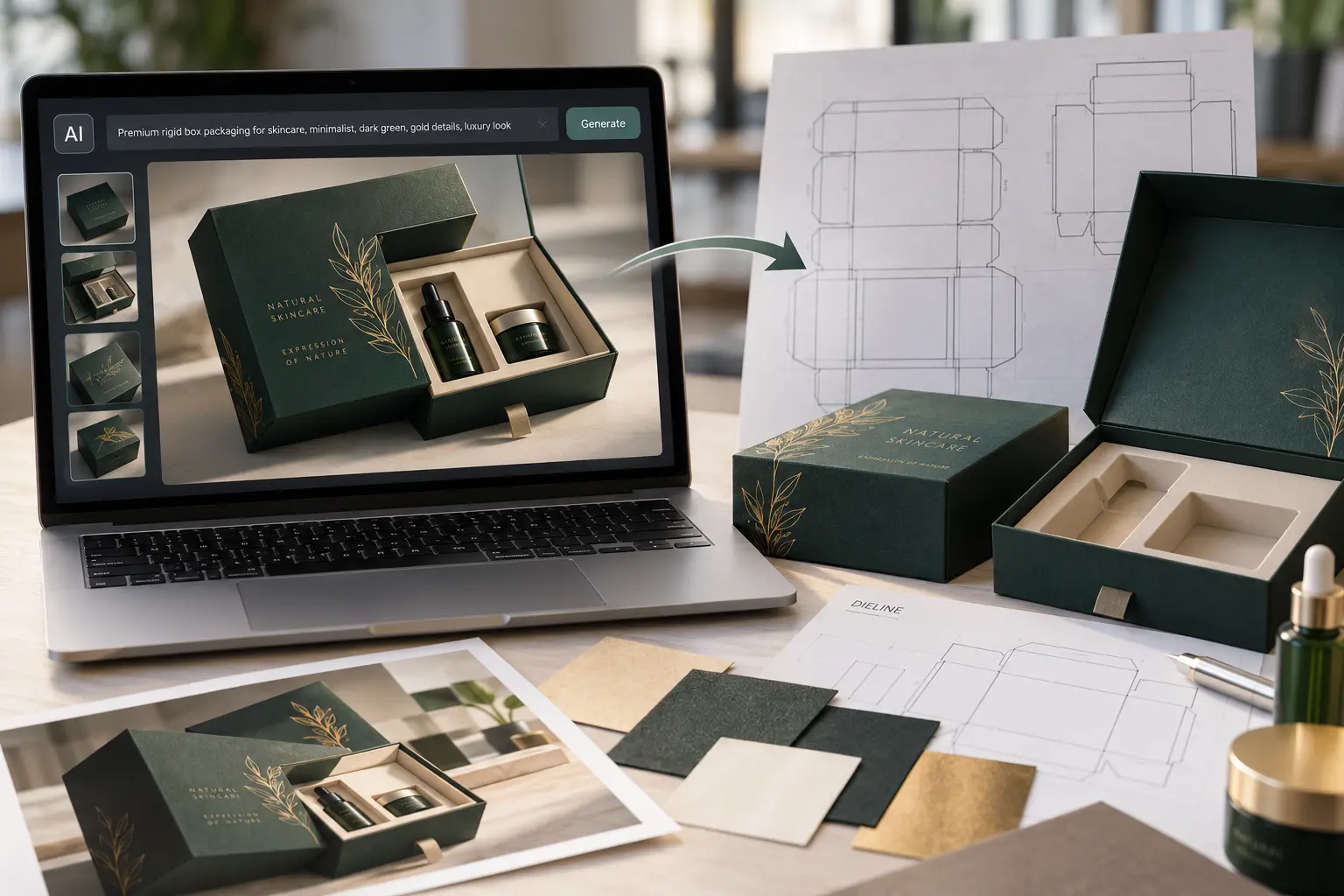
For brands looking to produce custom playing cards, packaging plays a critical role in the final presentation. Working with experienced manufacturers such as DST-Pack allows businesses to create fully customized packaging solutions that match the design quality of the cards themselves.
Standard Playing Card Dimensions
One of the most important technical aspects of playing cards is their size. While variations exist, most decks follow industry-standard dimensions that ensure compatibility with card holders, shufflers, and gaming systems.
The two most common sizes are poker size and bridge size. Poker cards typically measure around 63 × 88 mm, making them slightly wider and easier to handle in games where players hold fewer cards. Bridge cards are narrower, usually around 57 × 89 mm, allowing players to hold a larger number of cards more comfortably.
Beyond these standard sizes, custom playing cards can be produced in virtually any dimension. Larger cards are often used for promotional displays, educational tools, or novelty products, while smaller mini decks are popular as travel games or souvenirs.
Card thickness also matters. Most professional playing cards are made from 300–310 gsm cardstock, often with an inner core layer that improves durability and prevents transparency.
Materials and Finishing Options
The quality of playing cards depends heavily on the materials used in production. High-quality decks are typically made from durable cardstock with a protective coating that allows smooth shuffling and long-term use.
One popular option is linen finish, which gives cards a textured surface for improved grip. Smooth finishes, on the other hand, offer faster handling and a more polished feel. Plastic or PVC cards are also available for environments where water resistance and durability are important.
Finishing techniques such as lamination, foil stamping, embossing, and UV coating can significantly enhance both the appearance and functionality of playing cards. These techniques are often used in premium and collectible decks.
The Importance of Packaging in Playing Cards
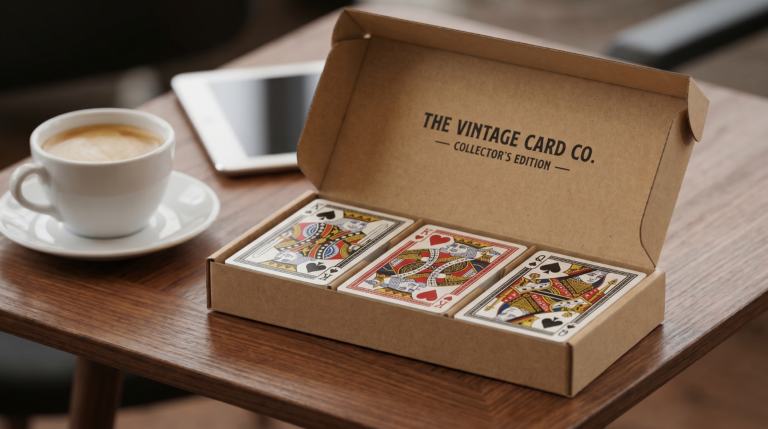
While the cards themselves are the main product, packaging plays an equally important role in presentation and protection. A well-designed box not only protects the deck but also communicates its identity and value.
Standard tuck boxes are widely used, but many brands choose more advanced packaging solutions such as rigid boxes or magnetic closures to create a premium experience.
Companies like DST-Pack specialize in creating custom packaging solutions for playing cards and other printed products. Their expertise allows businesses to design packaging that enhances brand identity and improves shelf appeal.
Why Playing Card Design Matters Today
Playing cards have evolved far beyond simple game tools. Today, they serve as collectibles, branding assets, educational materials, and artistic expressions. This transformation has increased demand for higher quality materials, better design, and more innovative packaging solutions.
Whether used in casinos, retail, or promotional campaigns, playing cards now combine functionality with visual and emotional appeal. Every detail—from dimensions and materials to printing and packaging—affects how the final product is experienced.
As customization becomes more accessible, businesses and designers have greater freedom than ever to create unique playing card decks that stand out in the market.
Conclusion
Playing cards may seem simple, but they represent a complex combination of design, engineering, and craftsmanship. Understanding their types, styles, and dimensions helps create better products and more engaging user experiences.