The New Rules of Chocolate Gifting
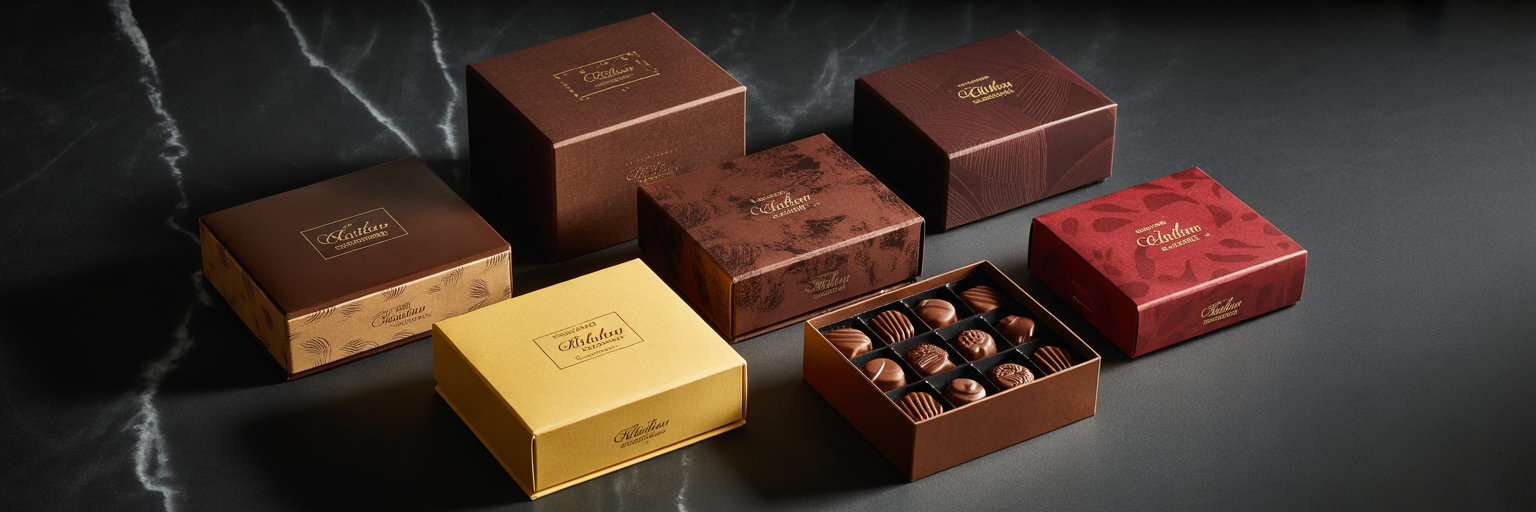
Packaging is no longer just a container. It is the first tangible interaction a customer has with your brand, and it directly shapes their perception of quality and value. For a premium product like chocolate, the box is as much a part of the gift as the confections inside. We’ve all felt it, the slight disappointment when a beautiful box reveals a flimsy plastic tray. That feeling underscores a fundamental shift in consumer expectations.
The 2026 American consumer is more discerning than ever. They are ethically conscious, value transparency, and actively research brands before making a purchase. They want to see their own values reflected in the products they buy, seeking authenticity in everything from ingredient sourcing to production practices. A generic box simply will not connect with this audience.
This evolving mindset has given rise to three interconnected pillars of modern chocolate gift box design. These are not isolated trends but a unified response to a collective demand for more meaningful and responsible luxury experiences. The first is advanced sustainability, which goes far beyond recyclable paper. The second is digital interactivity, which tells a story that a static box cannot. The third is a sophisticated, minimalist aesthetic that communicates confidence. Understanding why these elements matter is the first step toward creating packaging that resonates.
Sustainable Materials and Ethical Messaging
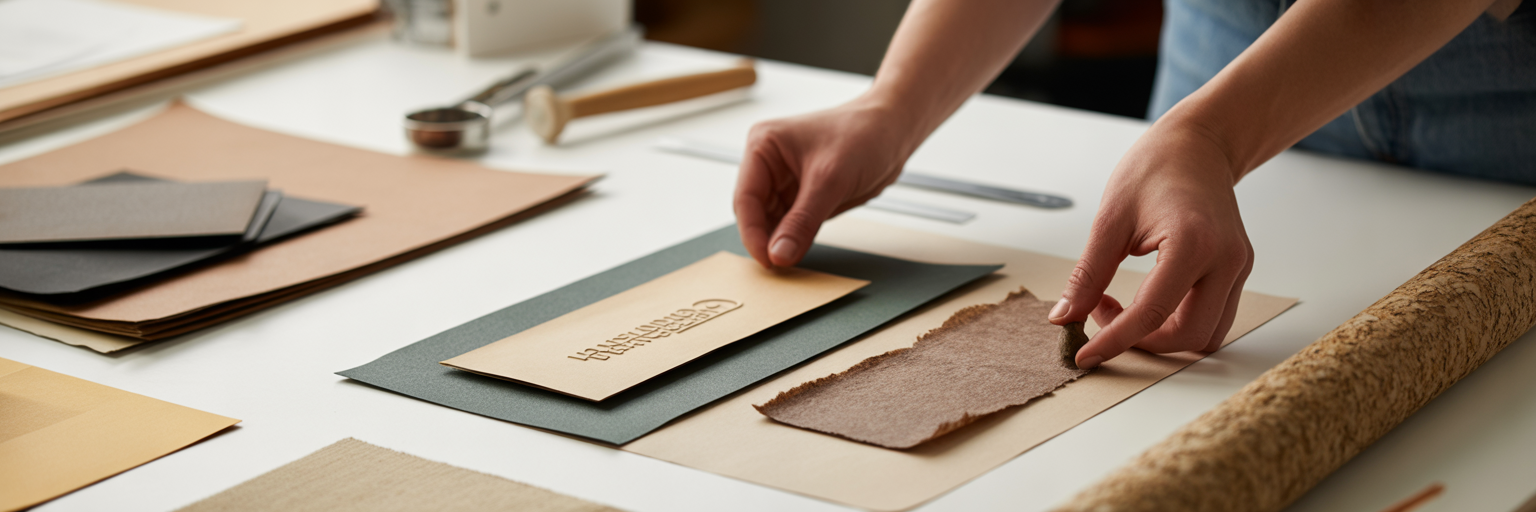
For today’s premium chocolate brands, sustainable chocolate packaging is a baseline expectation, not a bonus feature. Consumers can spot greenwashing from a mile away, so authenticity is paramount. This means moving beyond basic paper and embracing materials that tell a genuine story of environmental responsibility. It also requires clear communication that builds trust instead of skepticism.
Beyond Paper: Advanced Eco-Friendly Materials
The material innovations available today allow for creativity without compromise. Instead of flimsy plastic inserts, consider custom-molded trays made from mycelium or sugarcane pulp. These materials are fully compostable and can be shaped to protect delicate chocolates perfectly. For box wraps and sleeves, paper made from upcycled cocoa husks offers a beautiful texture and a direct link to the product’s origin. Even the clear window on a box can be replaced with compostable PLA films, maintaining product visibility while eliminating petroleum-based plastic.
Communicating Sustainability Without Greenwashing
Honesty is the most effective messaging tool. Rather than making vague claims like “eco-friendly,” provide specific, verifiable information. Prominently featuring certifications like Fair Trade or Rainforest Alliance on the packaging immediately signals a commitment to ethical sourcing. Use the space on your packaging to briefly explain your choices. A simple line like, “This tray is made from reclaimed sugarcane fiber and is commercially compostable,” educates the consumer and demonstrates transparency. Effective tactics include:
- Using clear icons to denote recyclability or compostability.
- Dedicating a small panel to your brand’s sourcing or production story.
- Explaining the “why” behind your material choices in simple terms.
Marrying Luxury with Eco-Conscious Design
Sustainability and luxury are not mutually exclusive. In fact, some of the most elegant luxury chocolate packaging ideas are rooted in eco-conscious principles. A heavy, uncoated, textured stock that is FSC-certified feels substantial and premium in the hand. Techniques like blind embossing create a subtle, tactile logo without using any ink. When color is needed, soy-based inks can produce a rich, matte finish that exudes sophistication. As research from Nature highlights, packaging can significantly influence taste perception, and these multisensory elements signal quality before the box is even opened. Exploring the full range of our custom chocolate packaging solutions can reveal how these materials can be adapted to any product.
| Material Type | Key Environmental Benefit | Best Application for Luxury | Considerations |
|---|---|---|---|
| Molded Pulp/Mycelium | Fully compostable and biodegradable | Custom-fit inserts for delicate chocolates | Requires custom molds; natural texture |
| Cocoa Husk Paper | Upcycles agricultural waste from production | Box wraps, sleeves, and brand stationery | Unique texture may influence graphic design |
| PLA (Polylactic Acid) Bioplastic | Compostable alternative to plastic windows | Clear windows for product visibility | Requires industrial composting facilities |
| FSC-Certified Uncoated Paper | Sourced from responsibly managed forests | The primary structure of a rigid box | Higher cost but strong consumer recognition |
This table provides a functional comparison of next-generation sustainable materials, helping brands select the right option based on environmental goals, application, and desired luxury feel.
Creating an Interactive Unboxing Experience
In 2026, a box is no longer a static object. The most forward-thinking interactive packaging for food serves as a seamless bridge between the physical product and a rich digital narrative. While QR codes have become common, they often feel like an afterthought, a sticker slapped onto the design. A more elegant solution is an embedded Near Field Communication (NFC) tag. Invisible to the eye, it allows a customer to simply tap their phone to the box and instantly open a web experience. There is no app to download and no camera to open, making the interaction feel magical and premium.
The key is what happens after the tap. The digital content must offer genuine value and deepen the customer’s connection to the brand. This is an opportunity to tell a story that cannot fit on the box itself. Consider these possibilities:
- A 360-degree virtual tour of the cocoa plantation where the beans were grown.
- A short video from the chocolatier explaining the unique flavor notes of the piece the customer is about to eat.
- An augmented reality (AR) feature that allows a gift-giver to attach a personal video message that the recipient can view.
- A curated playlist that pairs music with the tasting experience.
Execution must be flawless. The interactive trigger should be integrated into the design, perhaps hidden beneath an embossed logo. The digital experience must be mobile-first, visually stunning, and load instantly. Any friction, like a slow-loading page, shatters the premium illusion. When done right, this level of interactivity transforms the unboxing from a passive action into a memorable brand moment. It justifies a higher price point and builds the kind of loyalty that turns customers into advocates. This approach is highly effective across all kinds of our custom gift boxes for businesses looking to make a lasting impression.
The Power of Minimalist and Multisensory Design
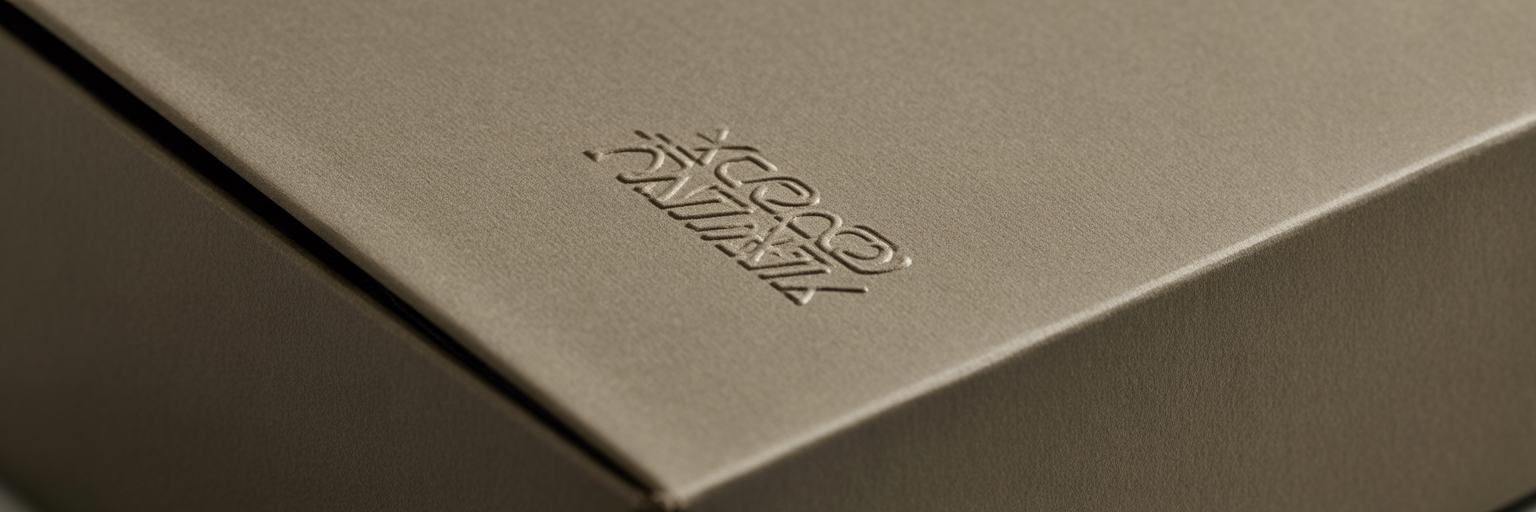
Minimalist packaging design is often misunderstood. It is not about being empty or plain; it is about being intentional. It communicates confidence by focusing on the essential. This philosophy is defined by a few core principles: clean, elegant typography, a restrained and sophisticated color palette, and the strategic use of negative space. When a brand is confident in its product, it does not need to shout with loud graphics. The quiet elegance of a well-executed minimalist design speaks volumes.
This visual simplicity is then enriched by a multisensory dimension. How the packaging feels in the hand is just as important as how it looks. Tactile finishes create a memorable physical connection and elevate the perceived value of the product inside. Think about the different sensory inputs that can be designed into a box:
- Touch: The feel of a soft-touch laminate, the texture of an uncoated, fibrous paper, or the crisp edges of a deep debossing.
- Sound: The satisfying, solid click of a magnetic closure, which signals quality and thoughtful construction.
- Sight: The subtle play of light and shadow across a blind embossed logo, which invites a closer look.
There is a natural synergy between minimalism and sustainability. A focus on high-quality, tactile materials and refined finishing techniques reduces the need for excessive, wasteful layers like plastic overwraps or unnecessary sleeves. The material itself becomes the main design element. This approach ensures that a brand’s aesthetic is consistent and impactful, a principle that applies to all our branded packages for retail stores, creating a cohesive identity on the shelf.
Choosing the Right Packaging Partner
Successful chocolate packaging in 2026 will not be about choosing one trend from a list. It will be about integrating sustainability, interactivity, and refined aesthetics into a single, cohesive brand statement. This is a holistic strategy where every element works together to tell the same story of quality, care, and innovation. A beautiful minimalist box made from non-recyclable materials sends a mixed message. An interactive feature that leads to a poorly designed webpage undermines the luxury experience.
Bringing these advanced concepts to life requires more than just a good idea. It demands a specialist partner with deep expertise in materials, technology, and finishing techniques. Working with a partner that has in-house manufacturing capabilities is critical. It ensures strict quality control and the technical skill to execute complex features like custom embossing, precise NFC tag integration, and flawless assembly. This is where vision becomes reality.
Investing in thoughtful, trend-aware custom chocolate box manufacturing is a direct investment in your brand’s future. It is how you differentiate yourself in a competitive market, build lasting customer loyalty, and command a premium price. For a complete look at what is possible, you can explore our packaging categories or contact our team to discuss how we can bring your vision to life.