Defining Your Packaging’s Core Purpose
Your packaging is often the first physical touchpoint a customer has with your brand. Before they experience the product, they feel the weight of the box and see the texture of the label. This initial interaction sets the tone for everything that follows. Viewing packaging as a strategic asset rather than just a container is the first step toward building a memorable brand experience.
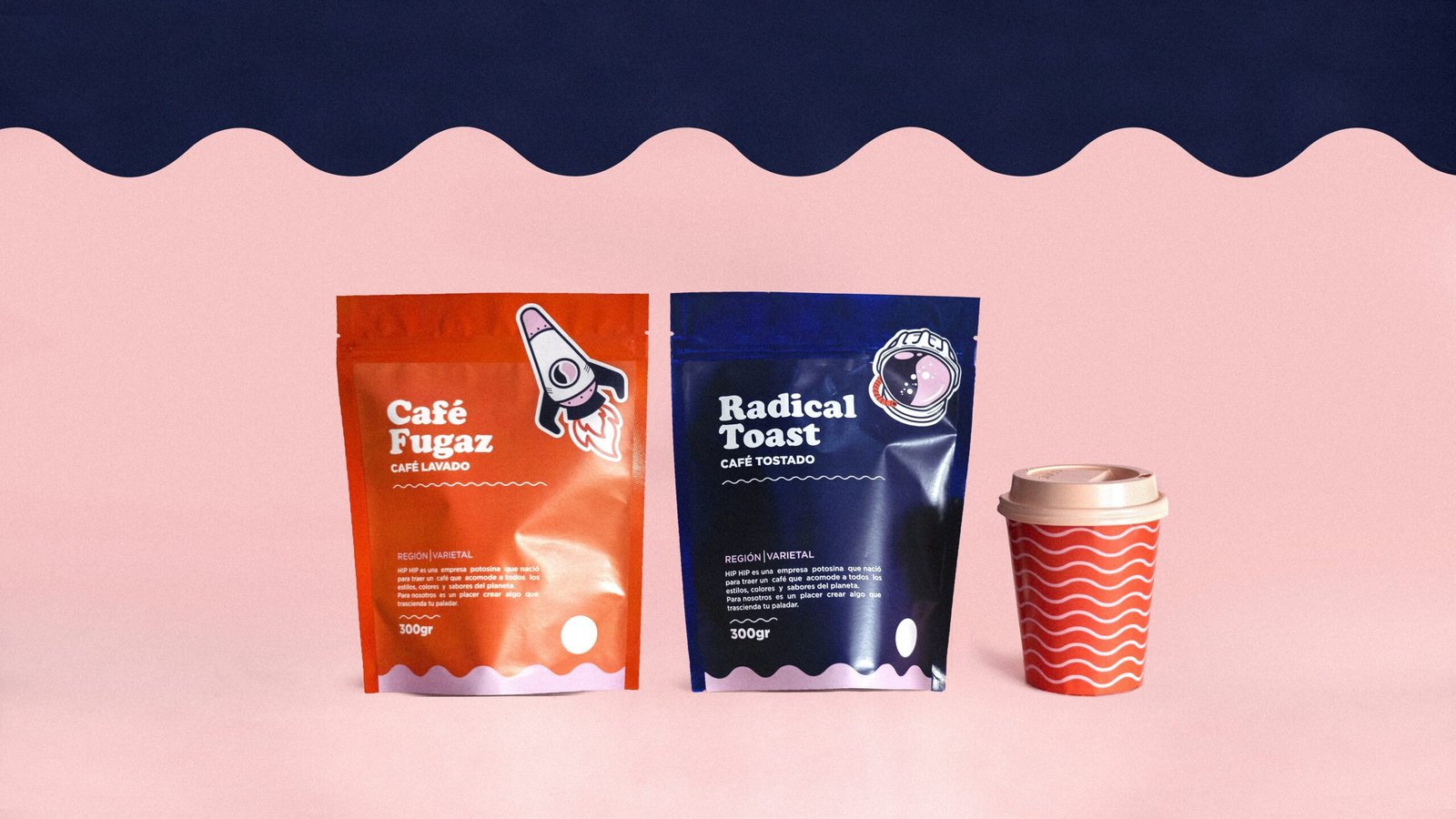
Your brand’s personality should be instantly recognizable. Is your identity minimalist and clinical, or opulent and luxurious? The materials, colors, and typography you choose are not just decorative. They are a language that communicates your values. The right choices are central to effective custom cosmetic packaging that tells a consistent story.
Beyond aesthetics, the primary job of packaging is to protect the formula. Light-sensitive Vitamin C serums require opaque containers to maintain their potency, while advanced active ingredients are best preserved with airless pumps that prevent oxidation. You must also consider your product line hierarchy. Subtle design cues, like a shift from matte to metallic finishes, can signal a premium tier while keeping the overall brand look cohesive.
Finally, durability is non-negotiable. Your product must survive the journey from production to a customer’s hands, whether it’s being shipped across the country or sitting on a retail shelf. A beautiful jar that arrives cracked is a failed promise.
Connecting with Your Target Consumer
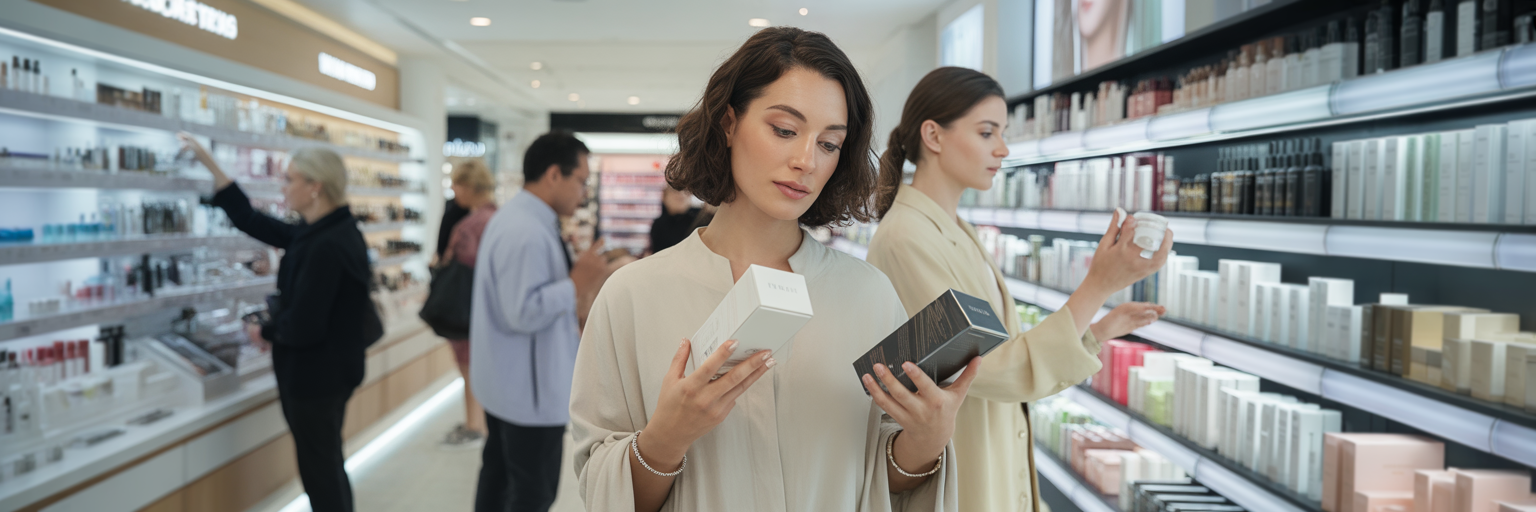
With your brand’s internal goals defined, the focus now shifts outward. Who is this packaging for, and how will they interact with it? Answering this question requires a deep understanding of your customer. A Gen Z shopper might be drawn to bold graphics and transparently sourced materials, while a busy professional may prefer the understated elegance of a weighted jar that feels substantial in their hand.
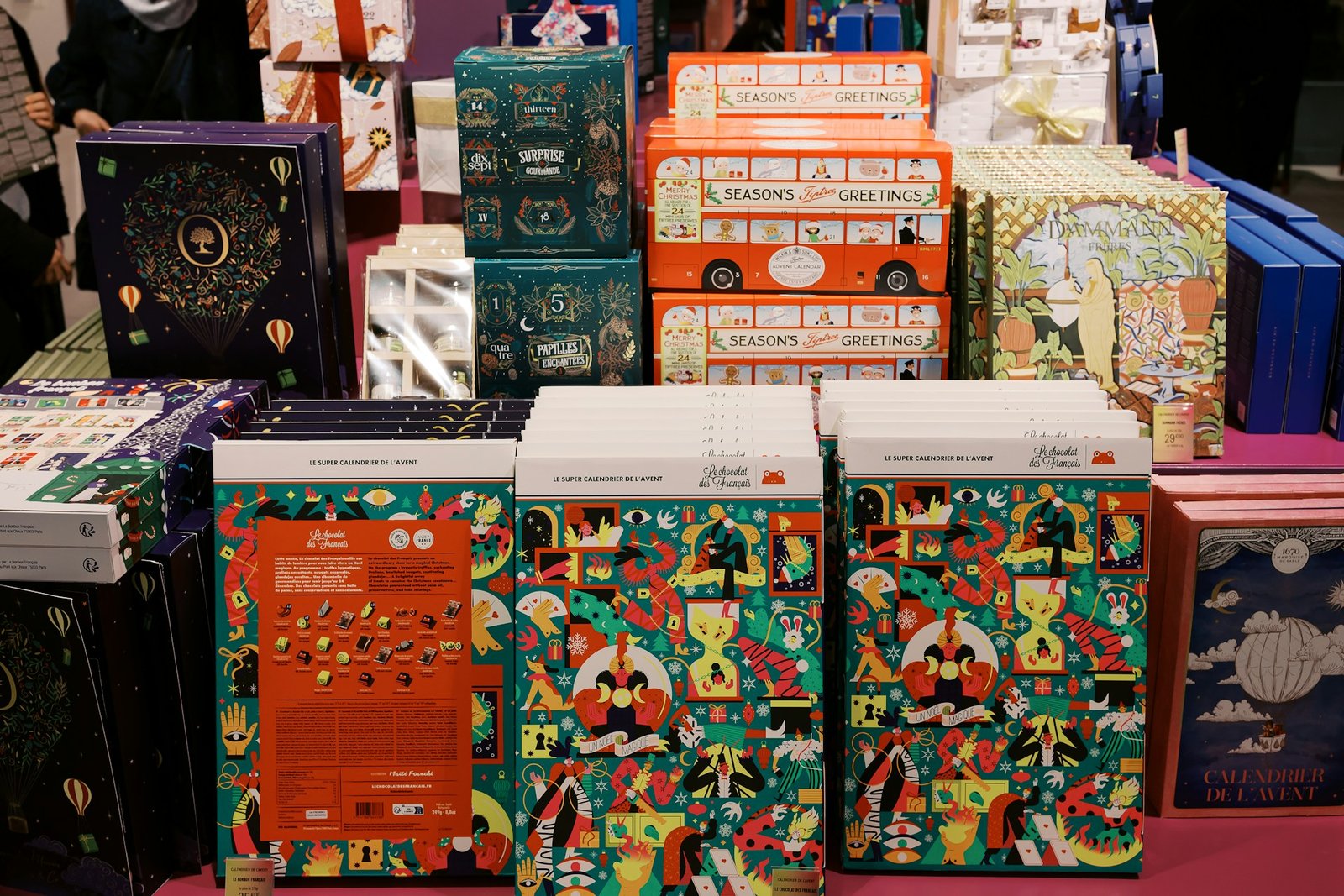
The shopping environment also dictates design. For e-commerce, the unboxing experience is paramount. It’s a moment of private delight that should feel personal and shareable. In physical retail, however, it’s all about shelf impact. Your product has seconds to capture attention among a sea of competitors, making effective branded packages for retail stores a critical investment.
Think through the entire user journey. Is the container easy to open? Does the dispenser provide the right amount of product without creating a mess? These small functional details create a feeling of satisfaction or frustration. While it’s wise to understand market conventions, like serums in droppers, true innovation adds value. When considering how to choose cosmetic packaging, ask yourself if a different approach could better serve your customer and reinforce your brand’s unique message.
Choosing the Right Materials
Material selection is where your brand vision meets practical reality. Each option comes with its own set of trade-offs in terms of aesthetics, functionality, and sustainability. Making an informed choice is essential for both product integrity and brand perception.
Glass, for instance, conveys a sense of permanence and quality. Its weight and clarity make it a classic choice for luxury cosmetic packaging design, especially for skincare and fragrances. Because it is chemically inert, it protects delicate formulas without risk of leaching. The elegance of glass is a cornerstone of custom perfume packaging, signaling a premium product. However, its fragility and weight can increase shipping costs.
Plastics like PET and PP offer incredible versatility and durability at a lower cost. For brands focused on sustainability, post-consumer recycled (PCR) plastic is an excellent alternative that reduces reliance on virgin materials. Aluminum provides a modern look and a superior barrier against light and air, but it can be prone to denting. As highlighted in a report by Mintel, the future of beauty packaging is moving toward innovative materials that balance performance and environmental responsibility.
Emerging options like molded pulp and biodegradable polymers offer exciting possibilities, but always require rigorous compatibility testing with your specific formula.
| Material | Best For | Sustainability Profile | Key Considerations |
|---|---|---|---|
| Glass | Luxury skincare, fragrance, foundations | Infinitely recyclable, perceived as premium | Heavier (higher shipping costs), fragile |
| PCR Plastic | Lotions, cleansers, mass-market products | Reduces virgin plastic use, widely recyclable (check local rules) | Can have slight color variations, not all formulas compatible |
| Aluminum | Serums, creams, color cosmetics | Highly recyclable, lightweight | Prone to denting, can have higher initial cost |
| Molded Pulp | Secondary packaging, inserts, dry products | Biodegradable and compostable | Not suitable for liquids, limited design complexity |
Note: This table provides a general overview. Material choice should always be validated with stability testing to ensure compatibility with your specific product formula.
Balancing Visual Design and Functionality

We’ve all seen it: a stunningly sculpted bottle that’s nearly impossible to hold with wet hands. This is where aesthetics clash with usability. The most successful packaging finds the perfect balance, ensuring that a beautiful design never compromises the user experience. Before committing to a final design, create prototypes and test them. Do they feel good in the hand? Are they intuitive to use?
The dispensing system is a critical component of functionality. Your choice should be directly tied to the product’s formula and intended use. Consider these common skincare packaging ideas:
- Airless pumps for preserving high-tech serums and preventing contamination.
- Fine-mist sprayers for an even and refreshing application of facial mists.
- Disc-top caps for convenient, one-handed use of body lotions and cleansers.
- Droppers for controlled, precise dosage of oils and concentrated treatments.
Graphic design elements should also serve a purpose beyond decoration. Typography can guide the eye to important information, color can communicate product benefits, and texture can create a tactile connection to the brand. Your packaging must perform two jobs: it needs to stand out on a crowded shelf, but it also needs to look elegant and feel practical on a bathroom counter. The best designs achieve both without sacrifice.
Integrating Sustainable Practices
Today, customers expect brands to be environmentally responsible, and your packaging is the most visible evidence of your commitment. Adopting sustainable beauty packaging is not just about marketing, it’s about making genuinely better choices. A clear framework can help guide your strategy.
Start with the foundational principles, often called the “3 Rs”:
- Reduce: Can you make the packaging lighter? Can you eliminate unnecessary components like outer cellophane or inserts? Every gram of material saved makes a difference.
- Reuse: Design elegant and durable refillable systems. A beautiful primary container that customers want to keep encourages loyalty and significantly reduces waste over time.
- Recycle: Choose materials that are widely recyclable, like glass, aluminum, or PET plastic. Use standardized symbols and clear language to guide consumers on proper disposal.
Beyond these basics, consider more advanced strategies. Mono-material packaging, where the entire container is made from a single type of plastic, simplifies the recycling process. The growing trend of solid-form products, like shampoo bars and cleansing sticks, eliminates the need for plastic bottles altogether. For brands deeply committed to making an impact, a Life Cycle Assessment (LCA) provides a data-driven analysis of a package’s environmental footprint from creation to disposal. As organizations like Pact Collective highlight, designing for sustainability from the start is key. Working with an experienced partner is essential to developing innovative and responsible cosmetics packaging solutions.
Planning for Production and Growth

A brilliant packaging concept is only as good as its execution. The final stage involves turning your design into a physical product, which requires careful planning around budget, logistics, and scale. Be realistic about your finances. Custom molds offer unlimited creative freedom but come with high upfront costs. Stock packaging is more affordable and has lower minimums, offering a practical starting point for new brands.
Choosing the right manufacturing partner is one of the most important decisions you will make. Look for a collaborator, not just a vendor. A great partner will act as a consultant, advising on material choices, suggesting cost-saving opportunities, and helping you avoid common pitfalls. Be sure to discuss Minimum Order Quantities (MOQs) and production lead times early to ensure they align with your business plan.
Think about the future. A flexible design system allows you to introduce new products without a complete overhaul, maintaining brand consistency as you grow. A versatile supplier who offers a wide range of packaging categories can support your expansion. Finally, never skip the final quality control step. Always request and test production samples for color accuracy, component fit, and durability. A simple shipping test can save you from costly mistakes and ensure your product arrives exactly as you envisioned.