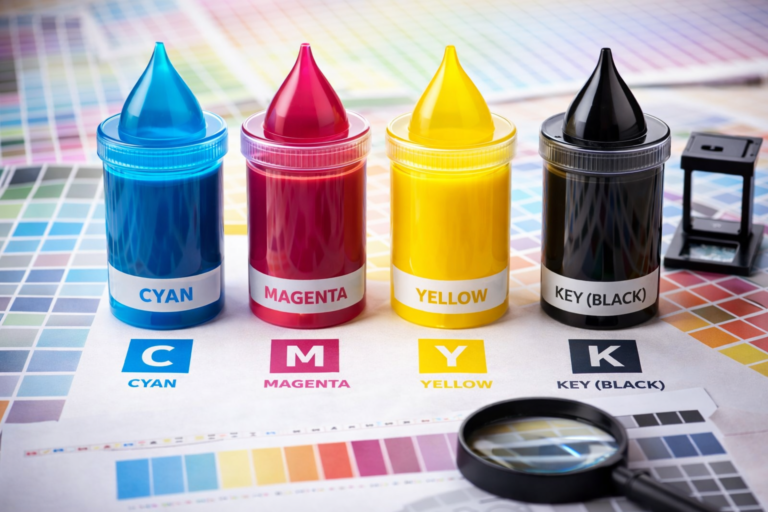
When it comes to printing, especially in packaging production, color accuracy is critical. A design that looks perfect on a screen can appear completely different once printed if the correct color system is not used. This is where CMYK colour comes into play. CMYK is the standard color model used in professional printing and is essential for producing consistent, high-quality results on paper, cardboard, and packaging materials.
Understanding what CMYK is, how it works, and why it matters can help businesses avoid costly mistakes and ensure their printed packaging looks exactly as intended.
What Does CMYK Stand For?
CMYK is an acronym that represents four ink colors used in printing:
- C – Cyan
- M – Magenta
- Y – Yellow
- K – Key (Black)
These four inks are combined in different percentages to create a wide range of colors. The “K” stands for black rather than “B” because “B” could be confused with blue, and black is considered the key color used to add depth, contrast, and detail.
How the CMYK Color Model Works
CMYK is a subtractive color model, which means colors are created by subtracting light. When ink is applied to white paper, it absorbs certain wavelengths of light and reflects others, creating visible color.
For example:
- Cyan absorbs red light
- Magenta absorbs green light
- Yellow absorbs blue light
By overlapping these inks in different combinations, printers can produce thousands of colors. When all three colors (cyan, magenta, and yellow) are combined at full strength, they theoretically create black. However, in practice, this combination produces a muddy brown. That is why black ink (K) is added separately to achieve clean, deep blacks and sharp details.
CMYK vs RGB: What’s the Difference?
One of the most common sources of confusion in printing is the difference between CMYK and RGB.
RGB (Red, Green, Blue) is an additive color model used for screens, such as computers, smartphones, and televisions. RGB creates colors by combining light, which is why colors appear more vibrant on screens.
CMYK, on the other hand, is designed specifically for physical printing. Printed materials cannot reproduce the same brightness as digital screens, which is why some colors look different after printing if they were originally designed in RGB.
For packaging and commercial printing, files should always be prepared in CMYK to avoid unexpected color shifts.
Why CMYK Is Essential for Packaging Printing
In packaging production, color consistency is critical for brand recognition. Logos, brand colors, and product designs must look the same across boxes, labels, and marketing materials.
CMYK allows printers to control ink coverage precisely, ensuring predictable results on different materials such as:
- Cardboard
- Corrugated paper
- Kraft paper
- Coated and uncoated stocks
Using CMYK also helps manage ink usage and printing costs, which is particularly important for large production runs.
CMYK Color Values Explained
Each CMYK color is defined by percentage values ranging from 0% to 100%. For example:
- Pure cyan: C100 M0 Y0 K0
- Pure black: C0 M0 Y0 K100
- Rich black: C60 M40 Y40 K100
These values determine how much of each ink is applied. Adjusting the percentages allows designers to fine-tune colors for specific printing conditions and materials.
CMYK and Color Accuracy in Printing
Achieving accurate colors in CMYK requires more than just selecting the right values. Factors such as paper type, ink quality, and printing method all influence the final result.
For example:
- Colors printed on matte paper appear softer
- Glossy or laminated surfaces enhance contrast
- Kraft paper absorbs ink, resulting in more muted tones
Professional printers often use color profiles and proofing systems to ensure consistency across production batches.
Common CMYK Printing Mistakes
Several common mistakes can affect print quality if CMYK is not used correctly:
- Designing in RGB and converting at the last moment
- Using overly high ink coverage, which can cause smudging
- Expecting neon or very bright colors that CMYK cannot reproduce
- Ignoring paper and finishing effects on color appearance
Working with a packaging supplier early in the design process helps avoid these issues.
CMYK in Offset and Digital Printing
CMYK is used in both offset and digital printing, though the processes differ.
Offset printing uses metal plates and physical ink transfer, offering excellent color consistency and cost efficiency for large runs.
Digital printing uses toner or inkjet technology and is ideal for smaller quantities or prototypes.
In both cases, CMYK remains the standard color model for professional print production.
How DST-Pack Works with CMYK Colors
At DST-Pack, CMYK color management is an essential part of our packaging production process. We help clients prepare print-ready files, choose suitable materials, and adjust color values to achieve the best possible results.
By using CMYK correctly, we ensure packaging designs are reproduced accurately and consistently across every production run.