Clothing doesn’t break during shipping. It doesn’t require foam protection or complex internal structures. Because of that, many brands treat apparel packaging as something simple — just a box to hold the product.
In reality, it plays a much bigger role.
For fashion brands, packaging is not primarily about protection. It’s about presentation, consistency, and how the product is experienced the moment it reaches the customer. Especially in e-commerce, where there is no physical store, the packaging becomes part of the brand itself.
A customer doesn’t just receive a t-shirt or a hoodie — they receive a package. And the way that package looks, feels, and opens immediately sets expectations for the product inside.
Packaging Starts Where Folding Ends
One detail that is often overlooked is how closely packaging is connected to the way garments are folded.
In theory, every item could be folded identically. In practice, that never happens. Folding is done manually, often quickly, and small differences are unavoidable. A sleeve might sit slightly higher, a thicker fabric might take up more space, or an additional label might change how the garment rests inside the box.
These small variations become a problem when packaging is designed too tightly.
A box that works perfectly for one “ideal” fold can become difficult to close in real production. Workers start adjusting the garment, pressing it down, or refolding it to make it fit. Over time, this slows down packing and affects consistency. Some boxes will look clean and structured, while others appear slightly deformed or overfilled.
On the other hand, making the box too loose creates a different issue. The garment shifts during transport, arrives wrinkled, and loses that “freshly packed” feel when opened.
Good apparel packaging sits somewhere in between. It doesn’t rely on perfect folding, but it still controls how the product behaves inside the box.
The Quiet Influence of Structure
Most customers won’t consciously think about the structure of a packaging box, but they will notice how it feels.
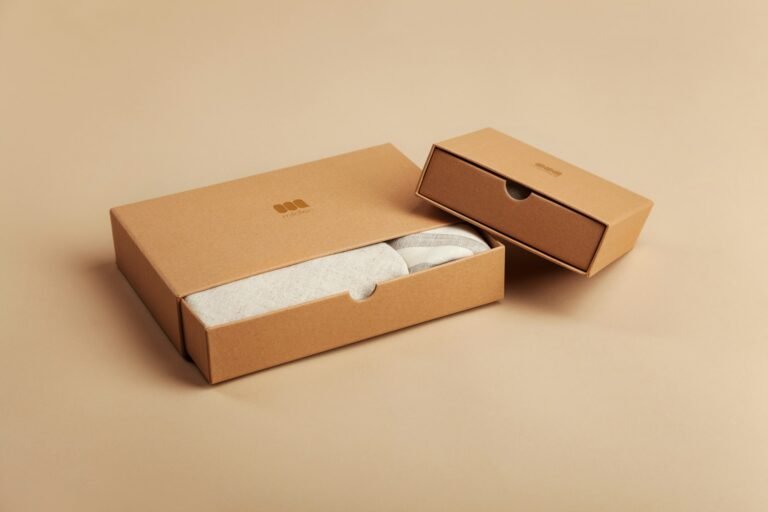
A rigid box immediately signals something premium. It holds its shape, opens in a controlled way, and gives the product a sense of importance. That’s why it’s often used for higher-end garments, limited collections, or gift-oriented packaging.
At the same time, rigid boxes are not always practical. They take up more space, cost more to produce, and are less efficient to ship in large volumes. For brands operating at scale, this becomes a real limitation.
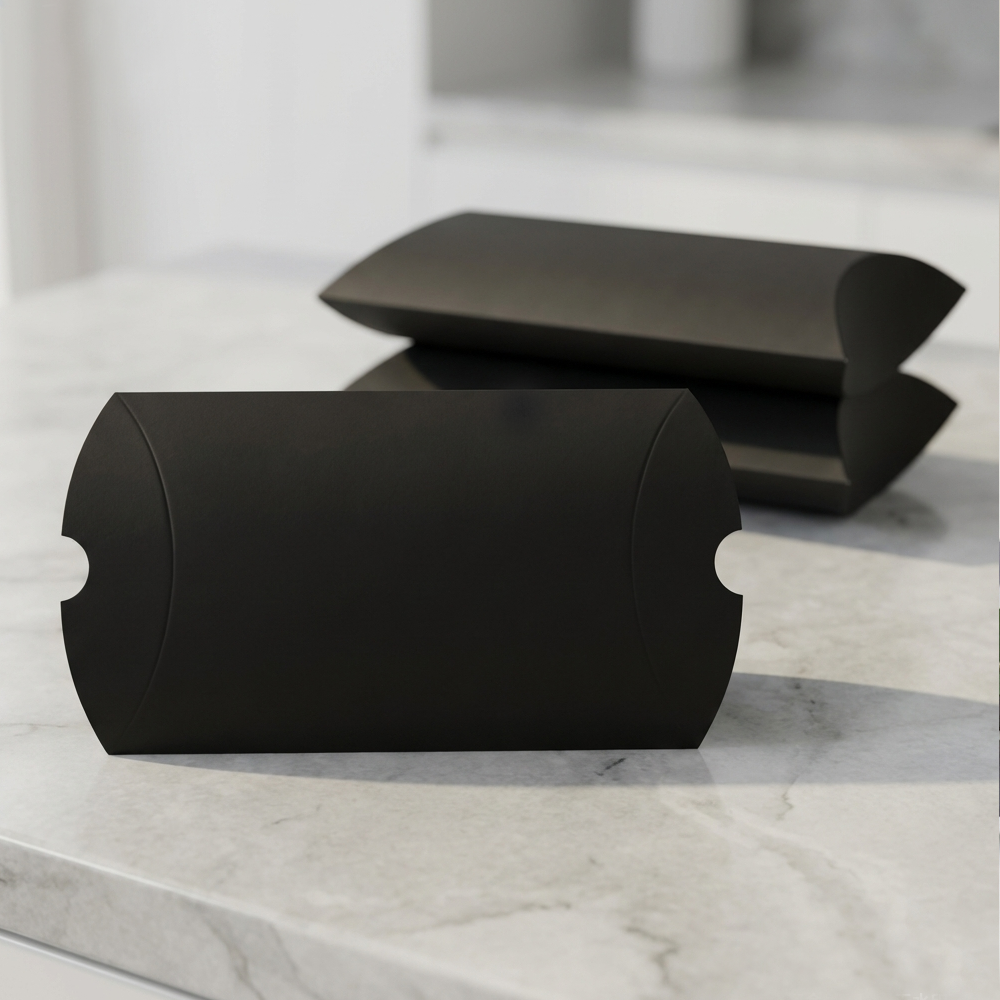
This is where folding cartons and mailer boxes come in. They are less “impressive” at first glance, but when done properly, they strike a balance between cost, efficiency, and presentation. With the right proportions and finishing, they can still feel clean and well-considered, without adding unnecessary complexity.
What matters is not the category of the box, but how well it fits the product and the brand’s positioning.
What Happens During Shipping
Apparel may not be fragile, but packaging still goes through a lot before it reaches the customer.
Boxes are stacked, compressed, and moved multiple times. In e-commerce, they are often shipped individually rather than on pallets, which means more handling and more exposure to external pressure.
If the material is too weak, the box loses its shape. Corners soften, surfaces bend, and the overall presentation suffers. The garment inside may still be intact, but the experience feels cheaper.
At the same time, increasing material thickness is not always the right solution. Heavier packaging increases shipping costs, and over time, even small weight differences become significant at scale.
The challenge is to use just enough material to maintain structure without creating unnecessary cost. This balance is rarely obvious without experience in production and logistics.
Internal Elements: Subtle but Important
Unlike electronics, apparel packaging rarely needs inserts. Still, what happens inside the box matters more than it might seem.
A simple layer of tissue paper can change how the product is perceived. It adds a sense of care and separation between the garment and the outer box. A paper band can help keep the fold in place, reducing movement during transport.
These elements don’t need to be complex. In fact, the more minimal they are, the better they tend to work. Overloading the packaging with additional components often creates more friction during packing without improving the customer experience.
The goal is to guide the product, not to constrain it.
Where Costs Quietly Add Up
Apparel packaging is extremely sensitive to cost, not because individual boxes are expensive, but because volumes are usually high.
A small difference in box size, material, or structure can have a noticeable impact when multiplied across thousands of units. This is why seemingly minor decisions — a few millimeters in height, a slightly thicker board, an extra internal element — can significantly affect total cost.
At the same time, reducing costs too aggressively often backfires. A box that collapses easily or feels unstable undermines the entire product experience. Customers may not analyze it consciously, but they will feel the difference.
The most effective approach is not to make packaging cheaper, but to make it more efficient. That usually means simplifying the structure, optimizing dimensions, and focusing on elements that actually contribute to perception.
The Shift Toward Simpler, More Sustainable Packaging
In recent years, apparel brands have started moving toward simpler packaging, both for cost and sustainability reasons.
Plastic components are being reduced or removed. Paper-based solutions are becoming more common. Designs are cleaner, with fewer layers and less unnecessary material.
But this shift only works when it is done carefully.
Replacing plastic with paper, for example, sounds straightforward, but paper behaves differently. It has less flexibility and reacts more to humidity. If not properly considered, this can lead to packaging that feels weaker or performs хуже during shipping.
Sustainable packaging is not just about materials — it’s about adapting the entire structure to work with those materials.
Why Experience Matters in Apparel Packaging
At a glance, apparel packaging looks simple compared to other industries. But the details are what make the difference.
The way a box closes, how it reacts to slightly different folds, how it holds its shape after shipping — these are things that only become clear through real production experience.
A packaging solution that looks good in a prototype can behave very differently when produced in large quantities and used in real packing conditions.
This is why working with a manufacturer who understands these practical aspects is important. Not just to produce boxes, but to ensure they actually work — consistently, efficiently, and at scale.
Conclusion
Apparel packaging boxes are not just containers. They are part of how customers experience your brand.
The most effective solutions are rarely the most complex ones. They are the ones that account for real-world conditions — manual packing, shipping pressure, material behavior, and cost efficiency.
When these elements are aligned, packaging stops being just an operational necessity and becomes a quiet but powerful part of the product itself.
Looking for a Reliable Apparel Packaging Manufacturer?
If you are sourcing apparel packaging and want solutions that perform well in real production and shipping — not just in concept — it’s worth working with a reliable packaging partner who understands these details.