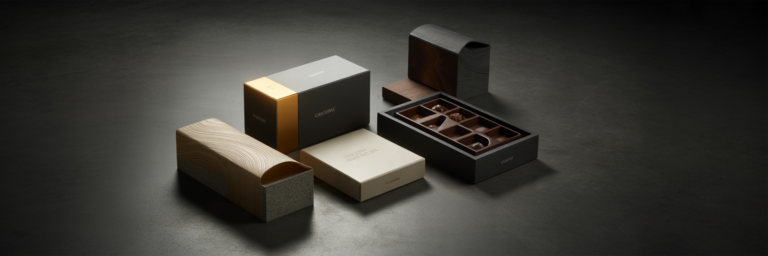
Packaging has fundamentally transformed from a simple protective shell into a primary channel for brand storytelling. This evolution is not accidental. It is a direct response to shifting consumer values in the US market, the deep integration of our digital lives, and strengthening environmental regulations. These forces have established three interconnected pillars for a modern brand strategy: sustainability, interactivity, and personalization. For luxury sectors like cosmetics, jewelry, and high-end confectionery, mastering the custom packaging trends 2026 is no longer optional. It has become essential for communicating value and securing brand loyalty in a crowded marketplace. Understanding the strategic purpose behind these shifts is the first step toward creating packaging that truly connects.
Sustainability as the New Standard of Luxury
The conversation around sustainable packaging has moved far beyond basic recycling. Today, sustainable luxury packaging is an aesthetic and qualitative upgrade. It is about choosing materials that feel as good as they perform. Think of FSC-certified papers with rich, tactile textures that invite touch, or molded pulp inserts that provide elegant protection while communicating an earthy, modern ethos. These materials enhance the premium feel, they do not compromise it. Imagine a perfume box crafted from textured, post-consumer waste paper or new jewelry box design ideas that use custom-molded pulp instead of generic foam. The unboxing becomes a sensory experience that aligns with conscious consumer values.
This shift is backed by significant market demand. According to a report highlighted by Market Research Future, the sustainable packaging market is projected to reach approximately $737.6 billion by 2030. To tap into this growth, businesses should conduct a materials audit on their current packaging. Ask yourself: which components can be upgraded to a sustainable yet luxurious alternative? Exploring different packaging categories shows how materials can be adapted, from eco friendly cosmetic packaging to premium chocolate boxes.
| Material | Luxury Feel & Aesthetics | Environmental Benefit | Ideal Use Case |
|---|---|---|---|
| FSC-Certified Paper/Board | Excellent for printing, embossing, and foil stamping; offers a classic, high-end texture. | Sourced from responsibly managed forests, ensuring renewability. | Rigid boxes for perfumes, cosmetics, and electronics. |
| Molded Pulp | Can be custom-shaped for a perfect fit; offers a modern, organic, and protective feel. | Made from recycled materials like paperboard or newsprint; biodegradable and compostable. | Secure inserts for jewelry, candles, and glass bottles. |
| Biodegradable Polymers (e.g., PLA) | Clear, plastic-like finish for windows or films; can be rigid or flexible. | Breaks down under specific industrial composting conditions, reducing plastic waste. | Window patches on candy boxes, protective films. |
| Recycled & Recyclable Aluminum | Lightweight, sleek, and modern; offers a premium, cool-to-the-touch feel. | Infinitely recyclable with high recycling rates in the US; reduces mining. | Tins for high-end teas, confections, or cosmetic balms. |
Forging Connections with Interactive Packaging
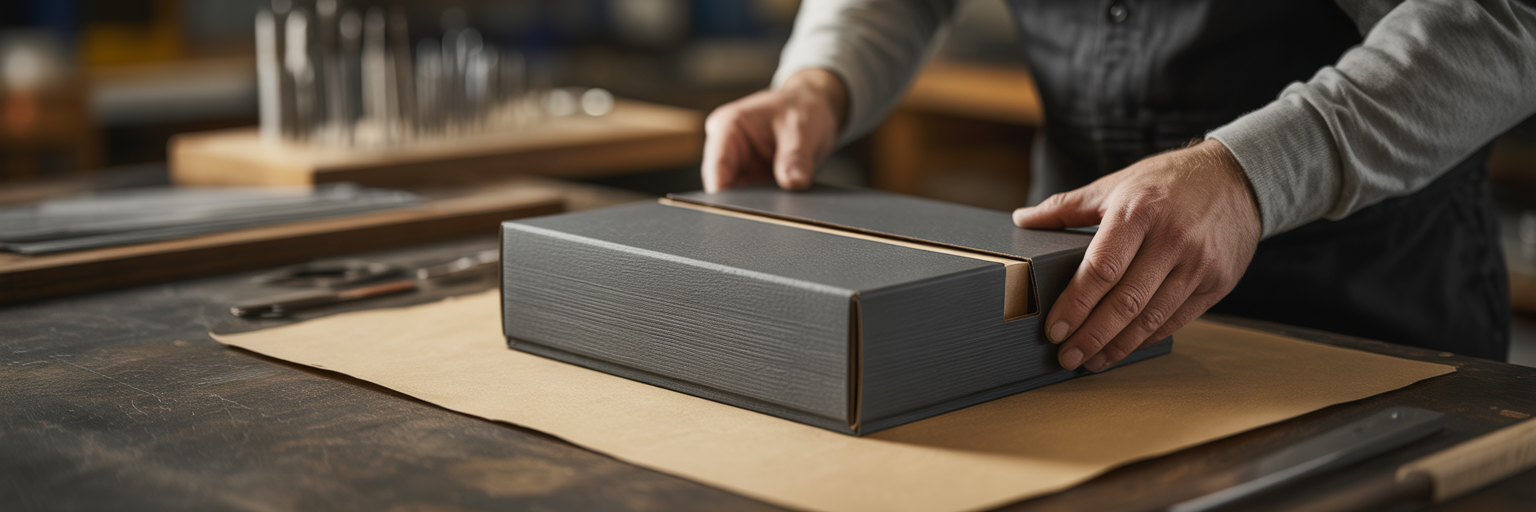
With sustainability addressing the material aspect of packaging, the next layer of innovation builds a bridge between the physical product and your digital brand world. These interactive packaging solutions use simple technology to create powerful connections. A discreet QR code or an embedded NFC chip can transform a static box into a dynamic experience. The goal is not to add technology for its own sake, but to deepen engagement and extend the brand story far beyond the initial unboxing moment. This turns a one-time purchase into a lasting memory and a gateway to further interaction.
The applications are both creative and practical. Imagine a QR code on one of our corporate chocolate gift boxes that links to a video of the chocolatier explaining the flavor profiles. Or consider an NFC chip in custom perfume packaging that verifies the product’s authenticity and unlocks exclusive loyalty rewards. A forward-thinking concept gaining traction is the “Digital Product Passport,” which allows consumers to trace a product’s entire journey, from sourcing to production. This level of transparency builds immense trust. As noted by platforms like Autonix, which offers customizable trackers, brands can use these tools to create engaging digital experiences while gathering valuable insights on consumer interaction.
The Power of a Personalized Unboxing Moment
While interactive features create a digital connection, personalization forges an emotional one. Modern digital printing has made it possible to move beyond one-size-fits-all designs and create a truly personalized unboxing experience. This is about making each customer feel seen and uniquely valued. We all know that feeling of receiving something that was clearly made just for us. It transforms a simple transaction into a memorable gift, even when we buy it for ourselves. This strategy is also incredibly effective for marketing, as customers are far more likely to share beautiful, personalized packaging on social media, generating authentic, word-of-mouth promotion for your brand.
This level of detail is more accessible than ever. Here are a few techniques to consider:
- Variable Data Printing: Add a customer’s name or a unique celebratory message directly onto a cosmetics gift box.
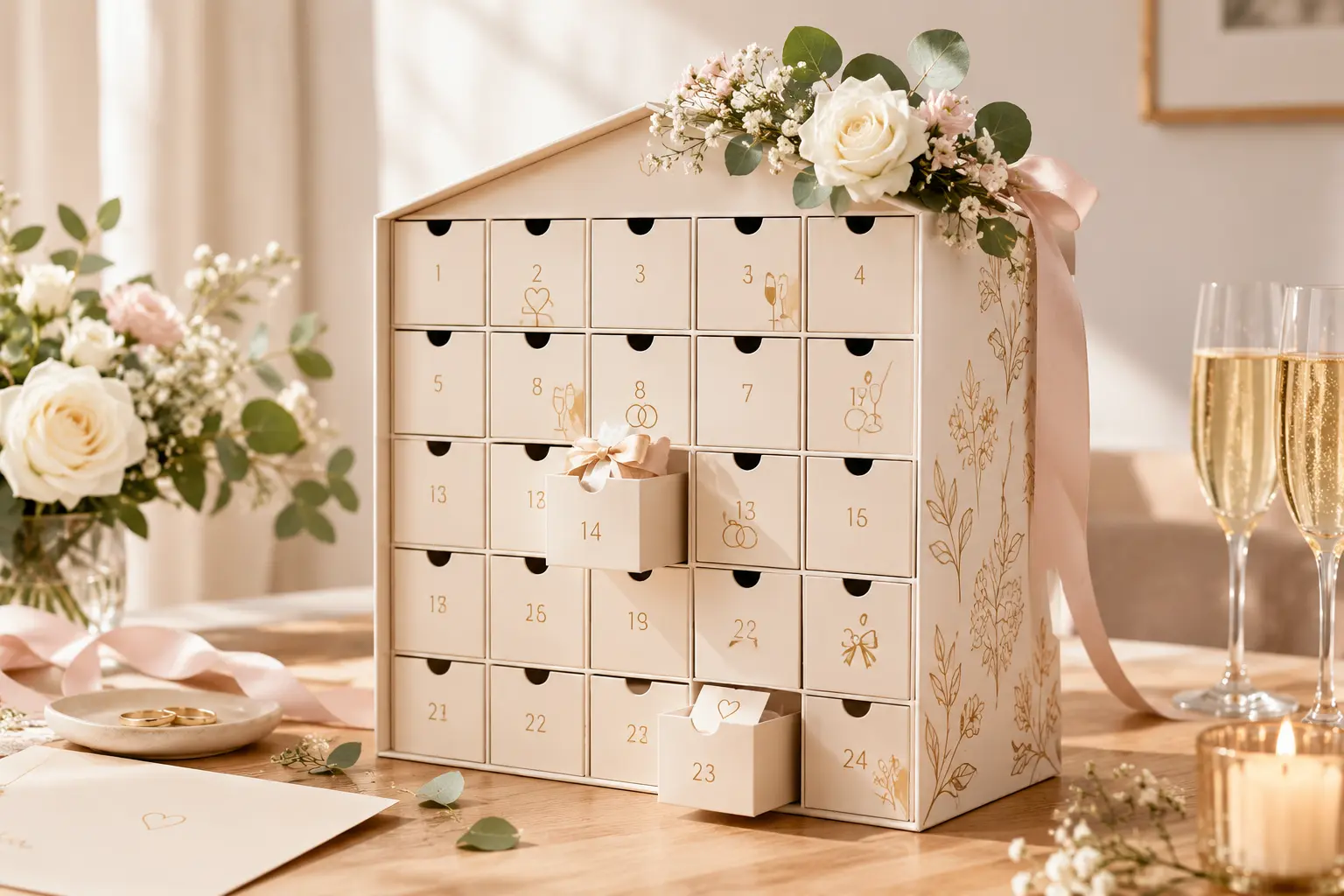
- Custom Illustrations: Create limited-edition custom advent calendars with artwork that resonates with a specific audience or a seasonal campaign.
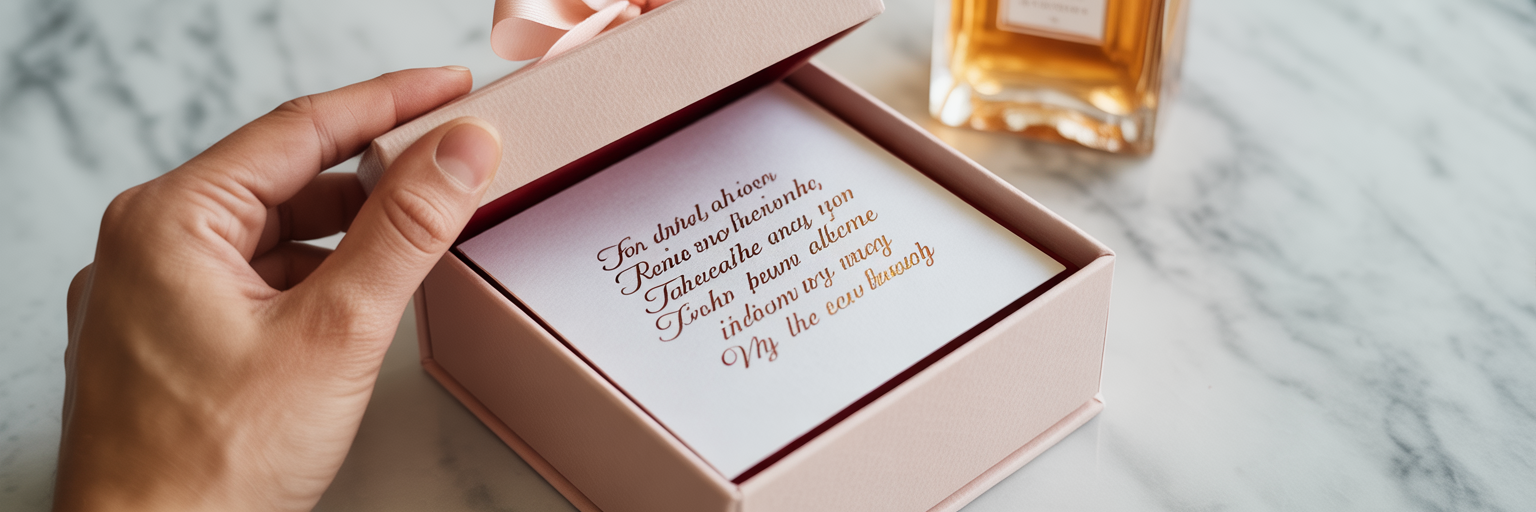
- Personalized Inserts: Include a thoughtfully written card inside the lid of one of our custom jewelry packages or an alcohol gift box.
- Configurable Designs: Allow customers to choose colors or patterns for their custom gift boxes at the point of sale, giving them a sense of co-creation.
Optimizing Packaging for the Digital Shelf
The rise of e-commerce has given packaging a challenging dual role. It must first be a rugged protector during shipping and then a sophisticated brand ambassador upon arrival. We have all experienced the frustration of receiving a tiny item in a massive box filled with plastic pillows. This disconnect not only creates waste but also signals a lack of attention to detail. Optimizing for the digital shelf means designing packaging that is both efficient and impressive. “Right-sizing” is crucial for reducing material use and shipping costs, showing respect for both the customer’s experience and the environment.
Once the package arrives, the unboxing serves as the first physical touchpoint for an online brand. It must be memorable. Achieving this requires careful consideration of several components, ensuring brand consistency from the digital storefront to the customer’s home, much like with branded packages for retail stores.
- Structural Integrity: Use rigid box designs that prevent crushing and damage without requiring excessive void fill.
- Custom Inserts: Design inserts that hold products securely and present them beautifully the moment the box is opened.
- Branded Internal Elements: Reinforce your brand identity with custom-printed tissue paper, branded ribbons, or thoughtfully placed stickers.
- Effortless Opening: Create frustration-free closures that feel premium and are easy to open yet remain secure during transit.
Navigating a Future of Transparency and Trust
Looking ahead, all these trends converge on a single, powerful theme: transparency. Growing regulatory pressure and consumer demand require absolute clarity on materials, recyclability, and sourcing. Brands that try to hide behind vague claims or “greenwashing” will quickly lose credibility. The most effective approach is to embrace minimalist design principles where honest communication builds more trust than flashy but empty promises. The future of packaging is not about choosing one of these innovations, but about weaving them together into a cohesive strategy.
A single package can be sustainable in its materials, interactive in its function, personalized in its presentation, and transparent in its messaging. Brands that proactively adopt these holistic strategies will not just comply with future rules. They will lead the market by building authentic, lasting relationships with their customers. If you are ready to implement these forward-thinking strategies, it is time to partner with an expert in custom packaging solutions.