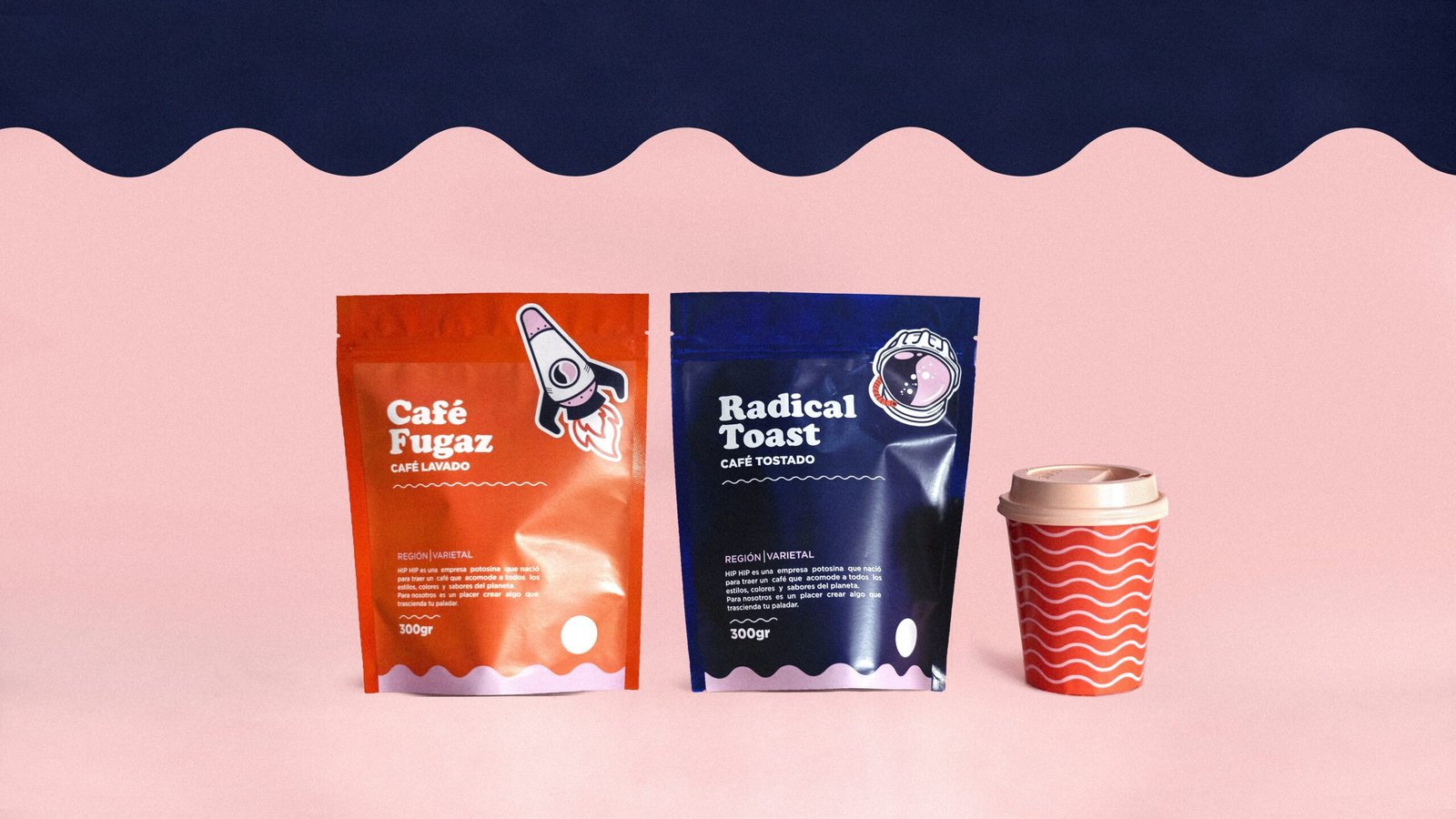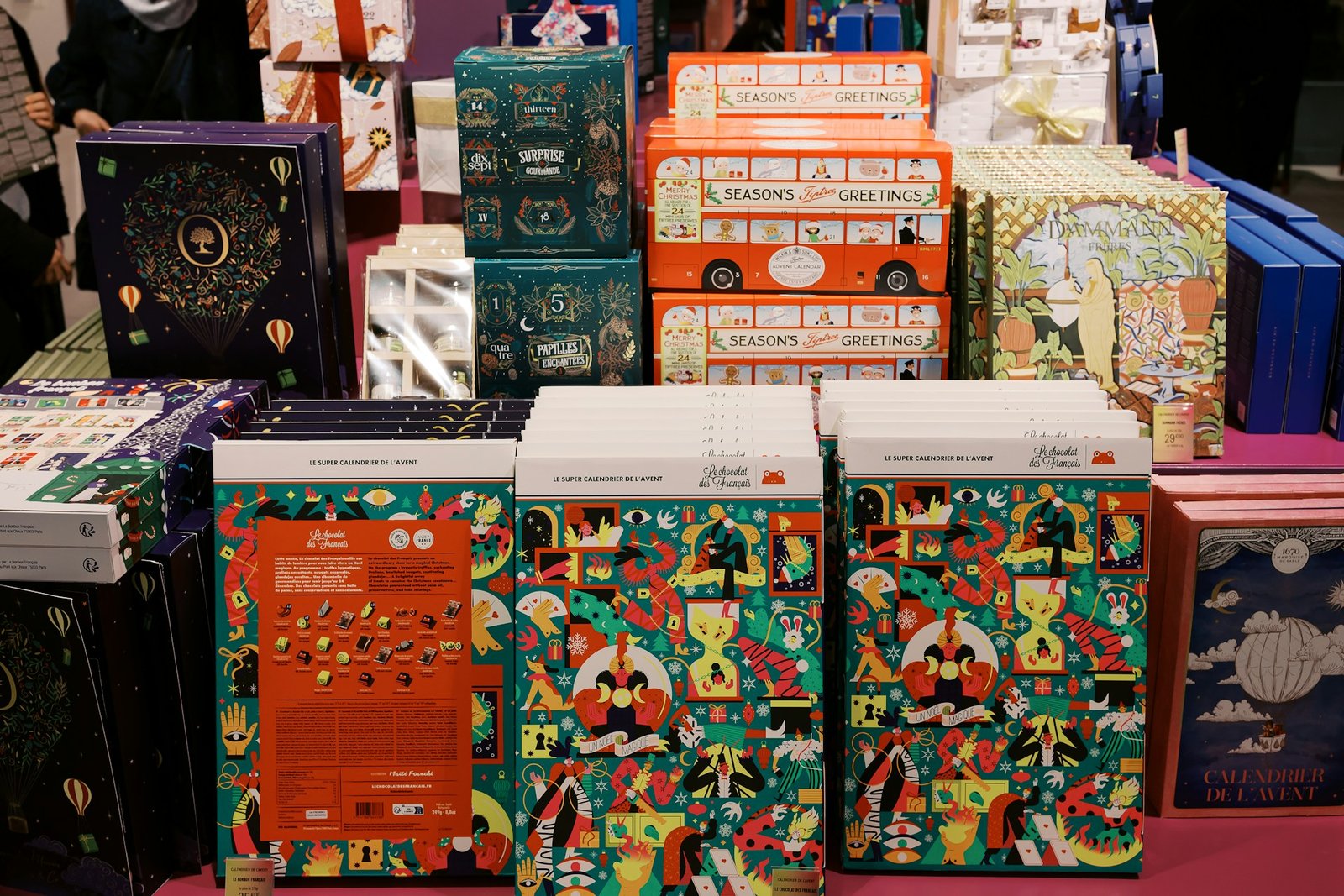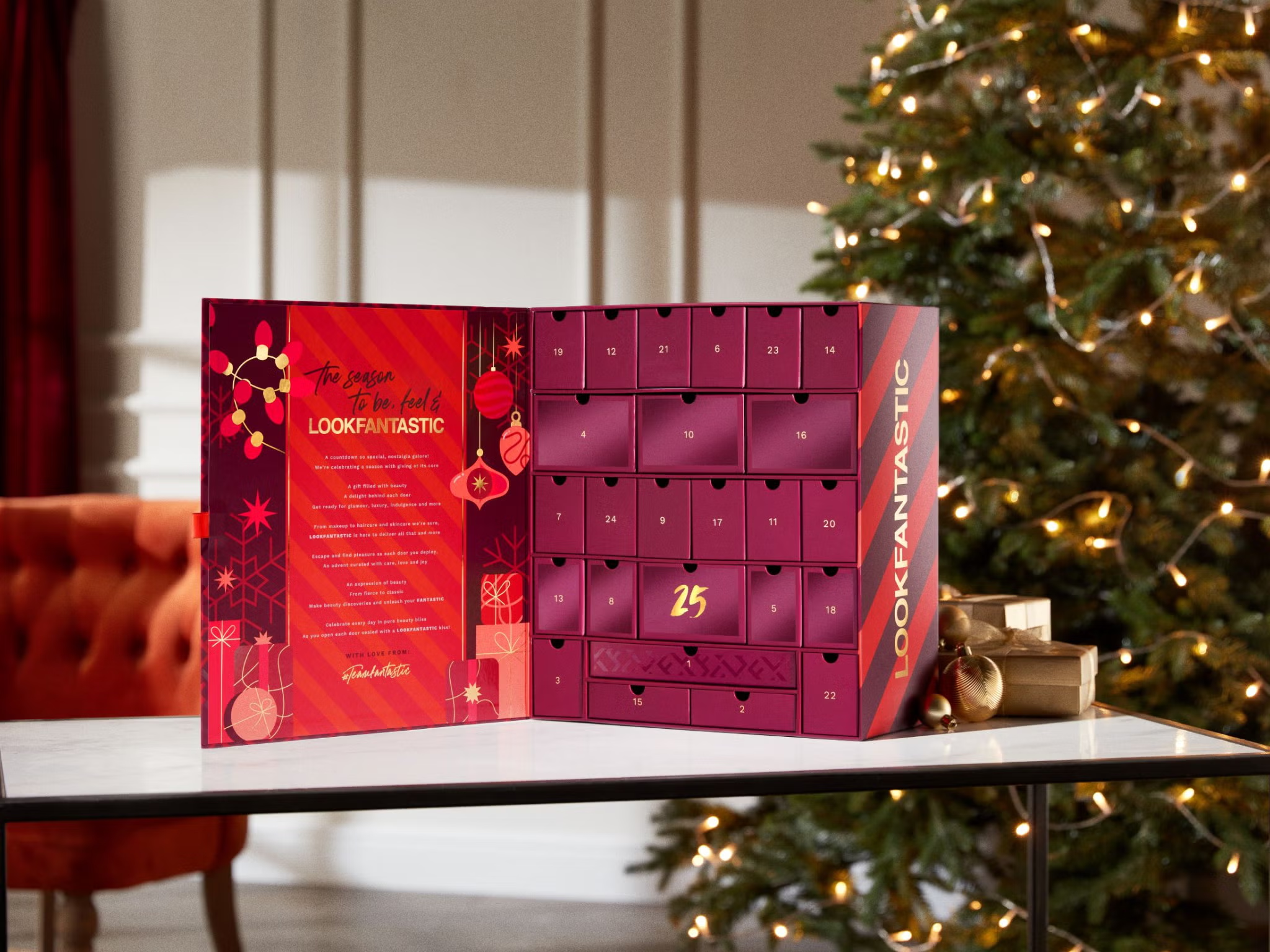
Direct-to-consumer e-commerce has effectively erased traditional borders, making nearly every brand a global entity from its very first sale. This shift means international readiness is no longer a distant expansion goal but a foundational requirement from day one. For premium brands, this presents a unique tension: how do you maintain a powerful, consistent brand identity worldwide while also adapting to nuanced local expectations? The challenge is more than just logistics. For a customer in Tokyo or Berlin ordering from a brand based in New York, the package that arrives on their doorstep is the first physical interaction they have with you. It’s not just a box. It is the tangible beginning of the customer relationship, a primary vehicle for communicating the value and promise of your brand. Getting this moment right requires a new strategic approach and thoughtful global luxury packaging solutions that speak to everyone, personally.
Decoding International Compliance and Logistics
Before your packaging can delight a customer, it must first successfully navigate a complex web of technical and legal hurdles. This is the practical, non-negotiable foundation of any international strategy. Ignoring these details doesn’t just lead to minor setbacks; it can stop your global ambitions before they even begin.
Navigating the Regulatory Maze
The complexity of international packaging regulations extends far beyond simple label translations. In the European Union, for instance, you must contend with strict rules on plastics and mandates for recycled content. In the United States, state-specific laws like California’s Proposition 65 require clear warnings about certain chemicals. Food-contact safety standards, region-specific iconography, and material compliance are all critical checkpoints. As highlighted by the UK’s nibusinessinfo.co.uk, thorough research into overseas regulations is essential to avoid trade barriers. This applies to the full spectrum of materials you might use, from paper stocks to protective inserts, which is why understanding the properties of different packaging categories is so important.
Engineering for Logistical Resilience
Luxury packaging must be both beautiful and durable enough to survive a journey across continents. The design needs to account for vastly different logistical systems. A sleek, compact box might be perfectly engineered for the smaller, post-box friendly dimensions common in the UK, but it could get lost or damaged in the larger-scale sorting facilities typical in the US. The engineering challenge is to create packaging that protects the product through varied climates and handling conditions while still delivering a pristine unboxing experience.
The Business Risks of Non-Compliance
What happens when you get the rules wrong? The consequences are severe and can ripple throughout your business:
- Costly customs delays that disrupt product launches and disappoint waiting customers.
- Significant fines and penalties from regulatory bodies that can cripple your budget.
- Forced product recalls that result in lost inventory and major financial damage.
- Irreversible harm to your brand’s reputation in a new market you were trying to win over.
| Compliance Factor | European Union (EU) | United States (USA) | China |
|---|---|---|---|
| Material Restrictions | Strict regulations on plastics (SUP Directive), mandates for recycled content. | Varies by state (e.g., California’s Proposition 65 for chemical warnings). | Increasing focus on recyclable and biodegradable materials; complex GB standards. |
| Labeling Language | Must be in the official language(s) of the member state where sold. | English is required; specific font sizes for nutritional/ingredient info. | Mandatory Simplified Chinese for all labels; Pinyin is not sufficient. |
| Safety & Recycling Symbols | CE mark for safety compliance; ‘Green Dot’ for recycling schemes. | FTC ‘Recycle’ symbol guidelines; specific symbols for material type. | Standardized recycling logos and material codes are required. |
Note: This table provides a high-level overview of key regulatory differences. Regulations are subject to change and vary by product category, requiring brands to conduct specific due diligence for each target market.
Connecting Through Cultural Nuance

Once you have cleared the technical hurdles, the true art of global packaging begins: connecting with your audience on an emotional and cultural level. This goes far beyond translating text. It involves understanding the subtle, unspoken language of design that shapes perception and builds affinity.
Beyond Color: The Semiotics of Design
Effective cultural adaptation in packaging design is about understanding semiotics, the way signs and symbols create meaning. A minimalist design with clean lines and muted tones might read as modern and sophisticated in Scandinavia, but it could be perceived as cold or cheap in a market that values overt displays of luxury. Shapes, textures, and imagery all carry cultural weight. Sharp, angular boxes might convey precision and technology, while soft, curved forms can suggest nature and comfort. As research from the Rochester Institute of Technology confirms, consumer perceptions of package design vary significantly across cultures, making localized strategies essential.
The Unboxing Experience as a Cultural Ritual
Think about the moment a customer opens your product. This unboxing experience is a powerful ritual, but its meaning changes globally. In Japan, there is a deep appreciation for intricate, multi-layered reveals that echo traditional gift-giving ceremonies. Each layer of paper and ribbon builds anticipation. In contrast, many Western consumers may prefer a more straightforward, sustainable unboxing that minimizes waste and gets them to the product quickly. Tailoring this moment, perhaps by using elegant custom gift boxes for businesses in markets that value presentation, shows a deep respect for local customs.
Aligning Packaging with Local Values
Ultimately, your packaging should reflect the values of the market you are entering. For a German audience, visibly highlighting engineering quality and sustainable materials on the packaging can be a powerful selling point. When targeting markets in the Middle East, incorporating metallic foils, intricate patterns, and a sense of opulence might be more effective. Consider the category of luxury packaging for cosmetics. A single face cream might require packaging that feels clinical and scientific in one region, organic and natural in another, and purely glamorous in a third. Creating the right feel requires deep expertise in custom packaging for cosmetics that can adapt to these diverse expectations.
Crafting a Flexible and Scalable Packaging Strategy
Navigating global regulations and cultural nuances can feel overwhelming. The solution lies not in creating dozens of entirely separate packaging designs, but in building a flexible and scalable system. This strategic approach allows you to maintain brand consistency while adapting intelligently to local needs, creating effective custom packaging for international markets.
The ‘Glocal’ Design Framework
The most effective strategy is a “glocal” one. This framework involves creating a standardized “global” core structure that remains consistent everywhere. This could be the rigid box shape, the primary logo placement, and the core brand colors that ensure your product is always recognizable. Around this core, you build modular “local” elements. These can be interchangeable sleeves, culturally relevant ribbons, or printed inserts with localized messaging. This approach is cost-effective, simplifies inventory management, and allows for targeted adaptation without redesigning everything from scratch.
Integrating Smart Technology for Personalization
Your physical packaging doesn’t have to do all the work. By integrating discreet QR codes or NFC chips, you can bridge the gap between the physical product and a rich digital experience. A customer in France could scan the code to watch a product tutorial in French, while a customer in Korea could be directed to a page explaining the sustainable origins of the materials. This adds immense value and personalization without cluttering the minimalist aesthetic of the package itself.
Leveraging Strategic Partnerships for Local Expertise
You don’t have to become an expert in every market overnight. The smartest move is to work with a global package manufacturer that has on-the-ground expertise. A strategic partner can help you navigate complex regulations, source local materials to reduce shipping costs and carbon footprints, and provide invaluable insights that prevent costly cultural missteps. Collaborating with an expert in creating branded packages for retail stores ensures your final product meets both brand standards and market expectations. A partner offering end-to-end services, like we do, becomes an extension of your team, guiding you from initial concept to final delivery.
Finally, always validate your designs before a full launch. An iterative testing process is crucial for success:
- Conduct small-batch production runs for specific test markets.
- Use digital prototypes to gather immediate feedback from local focus groups.
- Analyze feedback to refine colors, materials, and messaging.
- Adjust the design based on real-world data before committing to large-scale production.
This methodical approach turns uncertainty into confidence, ensuring your luxury packaging resonates with customers no matter where they are in the world.