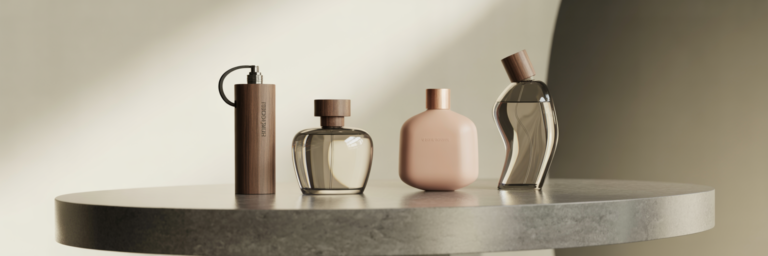
The Shifting Role of Perfume Packaging
In the early 20th century, perfume bottles were often simple apothecary vessels, designed purely for function. Today, that utilitarian role has expanded dramatically. The packaging is now the first physical introduction to a brand’s identity, a silent storyteller that communicates quality and values before the scent is ever experienced. For modern consumers, the box and bottle are not just containers; they are critical elements of the entire brand experience.
This transformation is driven by a few key forces: a growing consumer demand for sustainability, the need for authentic brand storytelling, and the seamless integration of digital technology into our physical world. The unboxing moment has become a ritual, and the bottle itself is expected to be an object of beauty and meaning. As we look toward 2026, these forces are shaping the next wave of perfume packaging design trends, turning simple containers into powerful brand assets.
Sustainable Materials as a Mark of Luxury
From Niche Concern to Luxury Standard
Not long ago, sustainability in packaging was a niche interest. Now, it has become a defining characteristic of modern luxury. Brands are realizing that eco-conscious choices are not a compromise on quality but a signal of it. The focus has shifted from merely being recyclable to using premium, responsible materials that enhance the product’s story. We are seeing a rise in high-clarity recycled glass that feels just as substantial as virgin material, FSC-certified wood for unique caps and accents, and innovative bio-based composites that offer new textures and forms. This move toward responsible materials is not limited to fragrance; it’s a shift seen across many of our packaging categories, reflecting a broader consumer expectation for quality and accountability.
The Rise of Refillable Systems
The concept of a refillable perfume bottle is a powerful tool for building long-term customer loyalty. It transforms the original bottle from a disposable item into a permanent, cherished object. This strategy elevates the perceived value of the initial purchase, turning it into a “forever item” that sits proudly on a vanity. As publications like Cosmetics Business have highlighted, major luxury brands are increasingly adopting refillable systems to meet both consumer desires and upcoming regulations. This approach doesn’t just reduce waste; it creates an ongoing relationship with the customer, encouraging repeat business and reinforcing brand allegiance. The simple act of buying a refill becomes a reaffirmation of their choice and connection to the brand.
How Eco-Conscious Design Shapes Perception
The psychology behind sustainable fragrance packaging is clear: it signals a brand’s commitment to more than just profit. For discerning consumers, this commitment translates directly to perceptions of quality, thoughtfulness, and responsibility. A brand that invests in sustainable materials is seen as one that pays attention to detail in every aspect of its creation, from sourcing ingredients to the final presentation. This alignment of values resonates deeply, particularly with affluent consumers who seek to make purchases that reflect their own principles. Integrating these practices is no longer an optional extra; it is becoming essential for brand relevance and prestige in the luxury perfume packaging market.
| Material | Key Benefit | Luxury Application | Environmental Impact |
|---|---|---|---|
| Post-Consumer Recycled (PCR) Glass | Reduces virgin material use | High-clarity bottles that retain a premium feel | Lower carbon footprint and energy consumption |
| FSC-Certified Wood | Ensures responsible forestry | Unique caps, collars, and decorative elements | Promotes sustainable forest management |
| Bio-Based Composites | Made from renewable resources (e.g., wood pulp) | Lightweight yet durable structural components | Reduces reliance on fossil fuel-based plastics |
| Refillable Systems (Aluminum/Glass) | Encourages product reuse and customer loyalty | A primary bottle as a ‘forever item’ with simple refills | Drastically cuts down on packaging waste over time |
This table outlines the primary sustainable materials shaping luxury packaging. The choices reflect a brand’s commitment to environmental responsibility while enhancing the product’s premium positioning.
Minimalism and the Sensory Experience
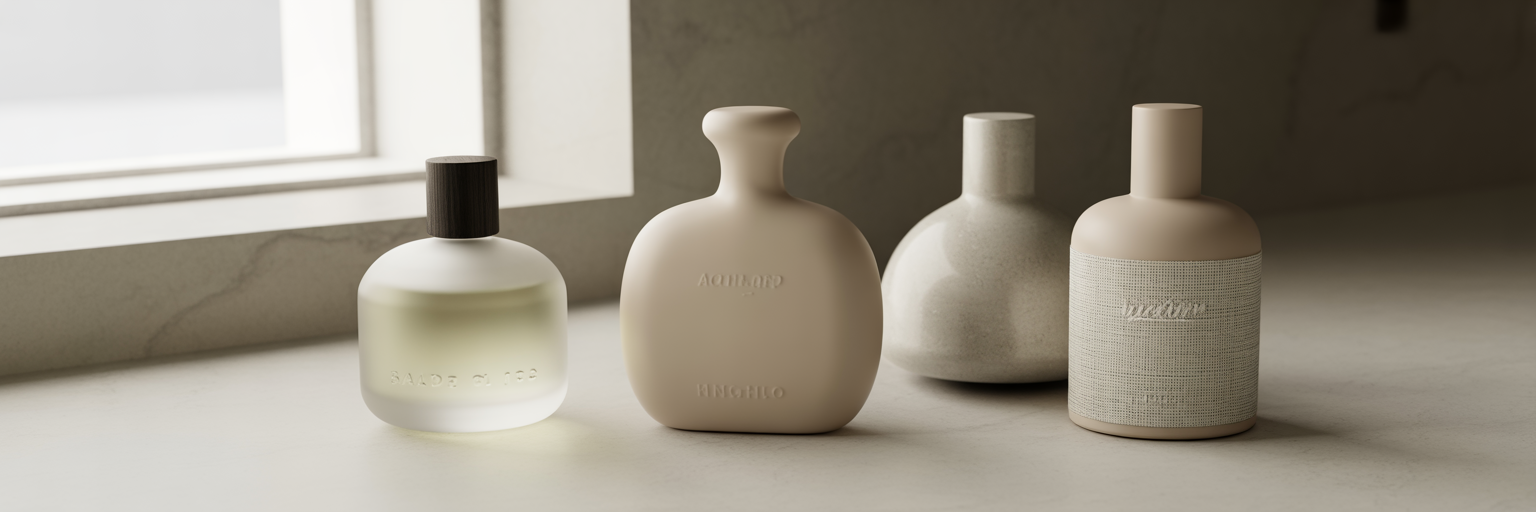
The trend toward minimalist packaging design is often misunderstood as simply making things plain. In reality, it’s a deliberate shift toward a richer sensory experience. Instead of ornate patterns and loud colors, this aesthetic favors clean lines, soft, muted palettes, and an intense focus on texture. Think of the quiet confidence of a bottle with a frosted glass finish, the satisfying weight of a smooth ceramic-like cap, or the subtle grain of debossed paper on the box. These are not just design choices; they are invitations to touch and feel.
This approach creates a memorable unboxing ritual that feels personal and sophisticated. In a market saturated with visual noise, understated elegance cuts through. It transforms the act of applying perfume from a quick spritz into a moment of calm, a small, grounding part of a daily routine. The tactile elements make the product feel more intimate and luxurious. When you consider how to tell your brand’s story, ask yourself: what should the customer feel when they hold your product? Achieving these specific finishes requires expertise, and using our custom perfume packaging services can help align these sensory details perfectly with your brand’s identity.
Interactive Packaging for Digital Storytelling
Bridging the Physical and Digital Worlds
The perfume bottle is no longer a static object. With embedded technologies like NFC tags and QR codes, it has become a portal to a digital brand ecosystem. These interactive perfume bottles bridge the gap between the physical product in a customer’s hand and a world of online content, creating a richer, more engaging experience. Imagine a customer scanning their new perfume bottle and instantly unlocking exclusive content. This could include:
- Augmented reality (AR) filters that bring the bottle’s design to life on their smartphone screen.
- Exclusive access to “behind-the-scenes” content, such as interviews with the perfumer or a virtual tour of the fields where ingredients are sourced.
- Personalized video messages for gift recipients, activated upon scanning the package, turning a simple present into a heartfelt experience.
This strategy is a powerful way to create memorable moments, especially for gifts. It’s part of a larger trend we see in crafting our custom gift boxes for businesses that aim to leave a lasting impression beyond the product itself.
Enhancing the E-commerce Experience
For e-commerce, interactive packaging solves a major challenge: replicating the rich discovery of in-store shopping. A customer at home can’t speak with a brand representative or physically experience the brand’s world. Interactive elements bring that world to them, offering a depth of engagement that a simple product page cannot. It also encourages social sharing, as customers are more likely to post about a unique AR experience or a personalized message. To make this work, brands can use platforms that offer customizable QR codes and analytics. As a platform like Autonix demonstrates with its trackers, this allows brands to measure engagement and gather valuable consumer data directly from the packaging. This transforms the package from a simple container into a dynamic channel for ongoing brand communication.
Artistic Forms and Collectible Designs
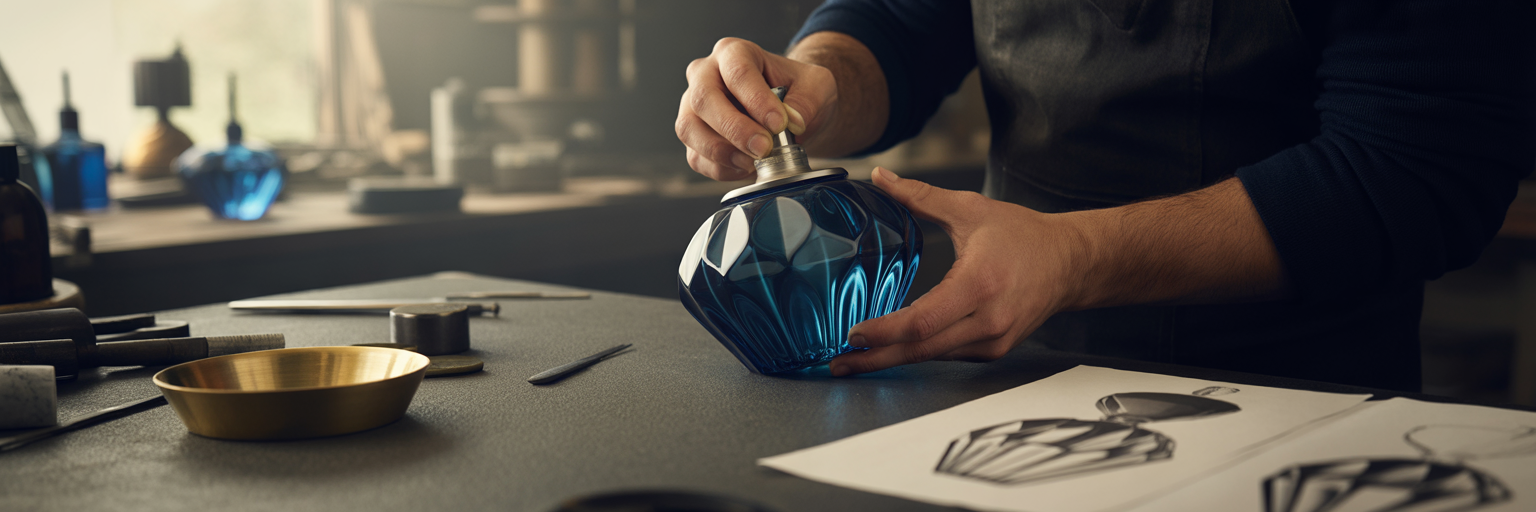
While minimalism focuses on quiet sensory details, another powerful trend moves in the opposite direction: perfume packaging as a collectible art object. This approach is about creating bold, sculptural shapes and unique forms that demand attention. The goal is to design a bottle so beautiful that it becomes a “shelf-worthy” piece, an item of decor that the owner is proud to display long after the fragrance is gone. This strategy turns the product into a statement of personal style.
Brands are achieving this through limited-edition releases and collaborations with artists, architects, and designers. This creates hype and a sense of urgency, transforming the packaging into a desirable collectible. This approach elevates a brand’s image, positioning it in the realm of high-end craft and justifying a premium price point. It’s a powerful tool for differentiation. In a visually crowded market, a distinctive, artistic bottle can create an immediate emotional connection and a lasting sense of desirability. This is similar to how our custom jewelry packaging for businesses relies on unique design to convey exclusivity and craftsmanship, making the container as precious as its contents.
Building a Cohesive Packaging Strategy
The most successful brands in 2026 will not just adopt a single trend but will thoughtfully combine them to tell a cohesive story. Imagine a minimalist bottle made from recycled glass that features a discreet QR code, leading to an immersive AR experience. Or a sculptural, collectible bottle housed in a simple, FSC-certified wooden box. The key is to ensure every element—from the material choice to the digital interaction—reinforces the core brand message.
The ultimate goal is perfect alignment between the packaging, the scent, and the brand’s ethos. Before jumping on any trend, start by defining your core values and understanding your target consumer. What message do you want to communicate? Is it quiet confidence, artistic expression, or sustainable innovation? Once that is clear, you can select and integrate the perfume packaging design trends that best amplify that message. This ensures your packaging, from the bottle to the custom perfume boxes, becomes a powerful business asset. By considering how the final product will appear, using our branded packages for retail stores can be a crucial part of executing this vision.