Custom packaging is more than just a box or container—it’s a vital part of brand identity, product protection, and customer experience. Whether you are launching a small artisanal product or a luxury item, understanding how custom packaging costs are formed helps you budget accurately and make informed decisions.
The price of custom packaging depends on several factors: materials, size, print options, finishing techniques, and order quantity. In this article, we break down the main components of custom packaging costs and provide realistic estimates to give you a clear picture of what to expect.
1. Material Selection
The first factor in pricing is the material. Different materials vary widely in cost and quality:
- Cardboard / Paperboard: Standard cardboard is the most common for retail packaging and can cost $0.50–$2 per unit depending on thickness and quality. Kraft or recycled cardboard is slightly cheaper but may limit printing quality.
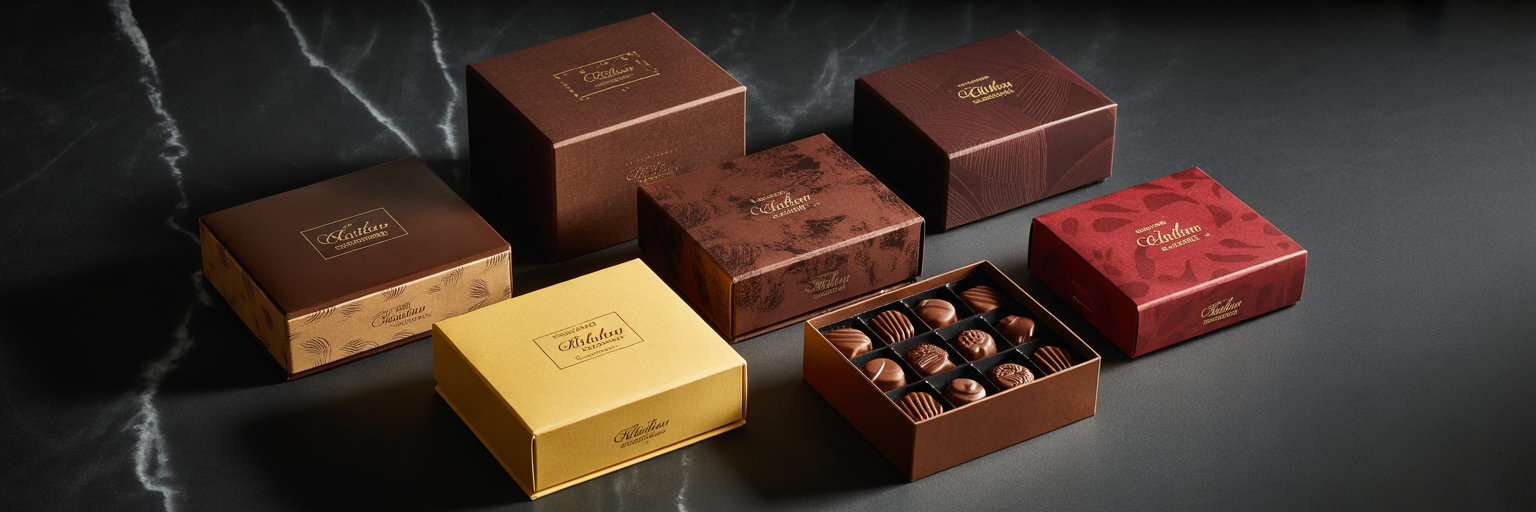
- Rigid / Folding Carton: Rigid boxes (used in luxury packaging) can cost $3–$8 per unit. These are thicker, more durable, and convey premium quality.
- Specialty Materials: Materials like metal tins, wood, or acrylic are more expensive. Wooden boxes or acrylic packaging can range from $10 to $50+ per unit, depending on craftsmanship and finishing.
Tip: For a high-end unboxing experience, pairing quality materials with premium packaging design can increase perceived value without excessively raising costs.
2. Size and Structure
The size and complexity of your packaging also influence cost. Larger boxes use more material and often require additional reinforcement to maintain durability. Multi-compartment designs or intricate folding structures increase production complexity.
- Standard Single Box: Simple boxes for small products like cosmetics, chocolates, or teas cost $1–$3 per unit.
- Multi-Compartment / Luxury Inserts: Boxes with dividers, trays, or special inserts cost $3–$10+ per unit, depending on the number of compartments and material type.
If your product requires inserts to hold bottles, jars, or fragile items, these are often made of EVA foam, paperboard, or molded pulp. Inserts can add $0.50–$3 per unit.
3. Printing and Finishing
Printing is another major cost driver. The complexity, number of colors, and special finishes all add to the price:
- CMYK Full-Color Printing: Standard four-color printing on a cardboard box may cost $0.20–$1 per unit.
- Special Effects: Embossing, debossing, foil stamping, UV coating, or spot gloss increases the cost. Foil stamping alone can add $0.50–$1.50 per box.
- Luxury Branding: High-end brands often combine multiple finishing techniques to create a premium unboxing experience. Combining embossing with metallic foiling can add $1–$5 per unit.
4. Order Quantity
Economies of scale heavily influence pricing. Smaller runs are more expensive per unit because setup costs, printing plates, and tooling are spread over fewer pieces:
- Low Volume (<500 units): Setup fees may range from $50–$500 per design, with per-unit cost 2–3 times higher than mass production.
- Medium Volume (500–5,000 units): Prices drop as setup costs are amortized; per-unit cost can be 20–50% lower.
- High Volume (>10,000 units): Production costs per unit are minimal, often approaching material cost plus a small markup.
Example: A custom cardboard box with a luxury finish might cost $7 per unit at 500 units, but only $4 per unit at 5,000 units.
5. Tooling and Mold Costs
For specialized shapes or rigid boxes, tooling and mold costs are a one-time expense. These costs can range from $100–$500 for folding cartons and $500–$2,000+ for rigid or specialty boxes. Tooling is a key factor for smaller brands because it adds upfront cost but reduces per-unit cost for larger runs.
6. Shipping and Logistics
Custom packaging often requires careful packing to prevent damage. Shipping cost is influenced by size, weight, and order quantity. Bulky or heavy boxes increase freight costs.
- Flat Pack vs. Assembled: Flat-packed boxes are cheaper to ship, while pre-assembled boxes cost more.
- International Shipping: If produced overseas, customs duties, import taxes, and freight add to the total cost.
7. Example Cost Breakdown
Here’s a realistic estimate for a medium-sized luxury packaging project (per unit cost):
| Component | Cost Estimate (USD) | Notes |
|---|---|---|
| Cardboard Box | 1.50 | 300gsm folding carton |
| Insert (EVA foam) | 1.00 | For fragile product placement |
| Printing (Full color + foil) | 1.50 | 4-color CMYK + gold foil stamping |
| Tooling / Setup | 0.50 | Amortized over 1,000 units |
| Labor & Assembly | 0.50 | Manual assembly of box and insert |
| Total | 5.00 | Approximate per unit cost |
If the quantity increases to 5,000 units, the tooling and setup per unit drops, reducing total cost to about $4 per box.
8. Hidden Factors That Affect Pricing
Some often-overlooked factors can influence costs:
- Design Complexity: More intricate box shapes or artwork may increase die-cutting and setup fees.
- Sustainability: Eco-friendly materials or biodegradable coatings may be slightly more expensive.
- Customization Level: Personalized boxes, custom inserts, or bespoke printing require additional setup.
- Seasonal Orders: High-demand periods, like holidays, may increase costs due to production rush fees.
9. Tips for Budgeting
- Plan your packaging in advance to avoid rush fees.
- Consider starting with a smaller batch to test your design and market response.
- Balance premium packaging design with material efficiency to avoid overspending.
- Ask suppliers for quotes with itemized breakdowns so you can see exactly where costs come from.
10. Conclusion
The cost of custom packaging varies widely depending on material, size, printing, finishing, and quantity. While luxury packaging or specialty boxes may seem expensive upfront, thoughtful design, proper quantity planning, and efficient production can help balance quality and budget.
Investing in custom packaging is not just about protection—it’s about creating a memorable unboxing experience that strengthens brand identity and adds value to your product. By understanding how costs are formed and making informed choices, businesses can offer premium experiences without overspending.