Defining Your Luxury Packaging Vision
Before you even think about searching for a designer, the most critical work happens internally. The success of your luxury packaging hinges not on the designer you choose, but on the clarity of the vision you provide them. A well-defined design brief is the single most important document for your project, acting as a roadmap that prevents costly revisions and misalignment. We’ve all seen projects drift off course because the initial goals were vague. This preparation empowers you to lead the creative process with confidence.
Your brief should be an actionable blueprint. Start by outlining these core components:
- Brand & Product Identity: Who are you? What does your brand stand for? Describe your target customer not just by demographics, but by their values and aspirations. What story should the packaging tell the moment they see it?
- Functional Requirements: Detail the product’s dimensions, weight, and fragility. Does it need inserts, windows, or specific protective elements? Think about the entire journey, from warehouse to shelf to the customer’s hands.
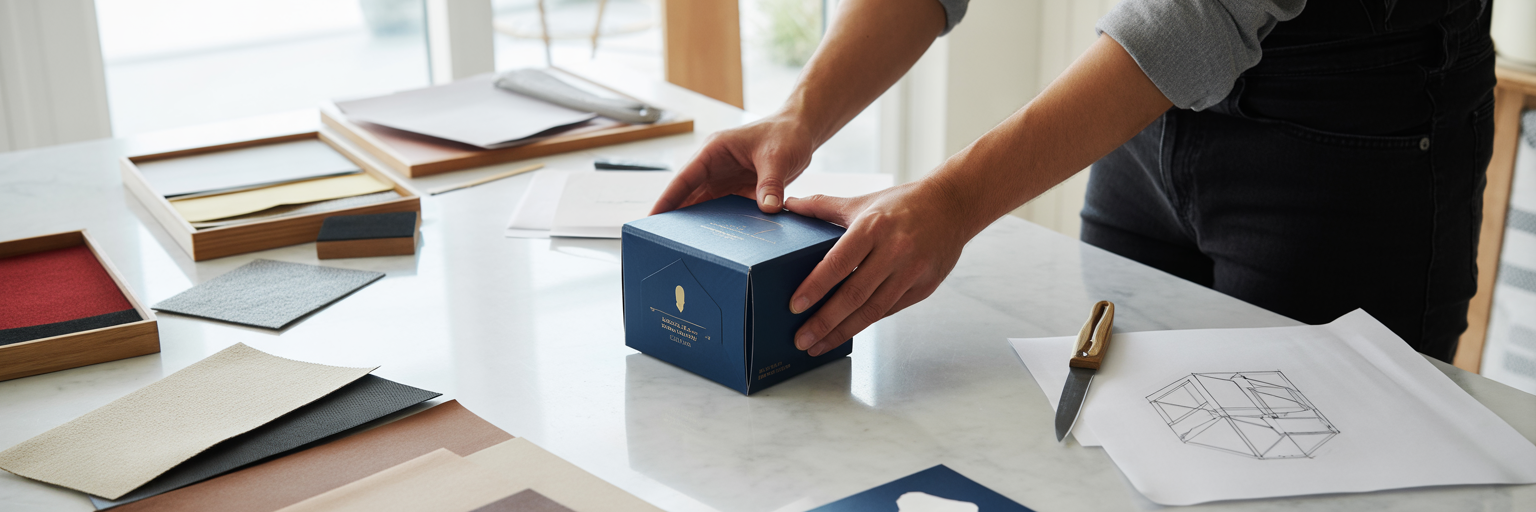
- Aesthetic Direction: Gather visual inspiration. Create a mood board with colors, textures, fonts, and examples of packaging you admire. Be specific. Instead of just “modern,” try “minimalist with a single, striking foil accent.”
- Budget & Timeline: Be realistic about your investment. High-end finishes and complex structures are an investment in your brand’s perceived value. For businesses exploring how to fund this, resources on small business financing can provide pathways to secure the necessary capital for such essential brand-building activities. Clearly state your budget per unit and your ideal project completion date.
With this document in hand, you are no longer just a client with a request. You are a partner with a clear vision, ready to guide a creative expert toward a shared goal.
Identifying Key Designer Specializations
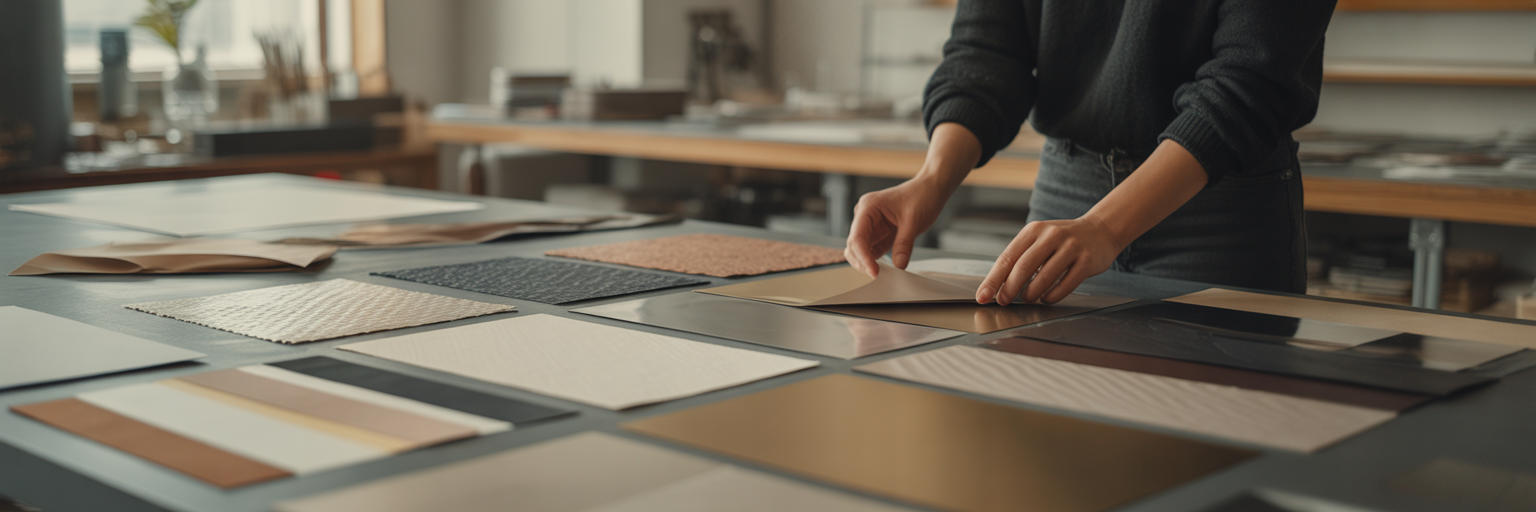
With your vision clearly defined, the next step is understanding that not all designers are created equal. The term “packaging designer” covers a wide range of skills, and for luxury projects, specialization is key. It’s like building a custom home; you need an architect for the structure and an interior designer for the aesthetics. While some talented individuals do both, recognizing the distinct disciplines helps you find the right expert for your specific needs.
Graphic vs. Structural Design Expertise
A graphic designer focuses on the visual story: your logo, color palette, typography, and imagery. They make the box beautiful. A structural designer, on the other hand, is an engineer at heart. They focus on the physical experience: how the box opens, the materials used, its durability, and the satisfying click of a magnetic closure. For luxury packaging, these two roles must work in perfect harmony. A stunning design on a flimsy, poorly constructed box instantly cheapens the brand.
Experience in the Luxury Market
Designing for a mass-market cereal box is fundamentally different from designing for a high-end perfume. A designer experienced in the luxury space understands the subtle cues that communicate premium value. They know that luxury is often about restraint, the power of negative space, and the tactile sensation of a specific paper texture or finish. They think beyond the visual, considering the weight of the box in a customer’s hand and the sound it makes when opened. Their portfolio will show a command of High-End Finishes like embossing, foil stamping, and unique coatings.
Niche Industry Knowledge
Does your designer understand the specific demands of your industry? A jewelry box has different needs than a chocolate box. For example, a custom box designer for cosmetics will be familiar with the specific structural and visual requirements for items like palettes and bottles, ensuring the final product is both beautiful and functional. You can see examples of specialized custom packaging for cosmetics that blend these elements effectively. This niche expertise prevents common mistakes, like choosing materials that react with the product or failing to account for regulatory information on the packaging.
| Designer Type | Primary Focus | Best For | Potential Drawback |
|---|---|---|---|
| Freelance Graphic Designer | Visuals: branding, color, typography | Brands with a clear structural plan needing a strong visual identity. | May lack technical knowledge of materials and manufacturing. |
| Freelance Structural Designer | Physical construction, unboxing experience, functionality | Complex or innovative box structures requiring engineering expertise. | May require a separate graphic designer for branding. |
| Specialized Design Agency | Integrated strategy, branding, graphic, and structural design | Brands seeking a comprehensive, managed process from concept to production. | Higher cost compared to individual freelancers. |
| Full-Service Manufacturer | Design for manufacturability, material sourcing, production | Brands prioritizing a seamless transition from design to finished product. | Creative direction may be more production-focused. |
Where to Source Top Packaging Talent
Knowing the type of designer you need is one thing; finding them is another. You might be tempted to post a generic job opening, but sourcing top talent for luxury packaging requires a more targeted approach. The goal is to find creators whose work already speaks the language of your brand.
Start with the best packaging design agencies. These firms often provide comprehensive luxury packaging design services, handling everything from initial brand strategy to final production-ready files. According to a guide from Zenpack, a specialized packaging design agency can provide an integrated team of strategists and engineers, which is ideal for complex luxury projects that require a holistic approach. Their websites are filled with case studies that demonstrate their process and capabilities. While this is often the most expensive route, it provides a managed, all-in-one solution.
For a more direct approach, online portfolio platforms like Behance and Dribbble are visual treasure troves. However, don’t just search for “packaging.” Use highly specific terms that reflect your vision, such as “minimalist jewelry box design,” “luxury perfume packaging,” or “sustainable cosmetics packaging.” This helps you filter through the noise and find specialists. When you find a freelance packaging designer on these platforms, look for consistency in quality and a clear focus on the luxury market.
Professional networks like LinkedIn are also powerful tools. You can search for designers with experience at specific luxury brands or agencies you admire. Look at their recommendations and the projects they highlight. For instance, searching for designers who have created custom jewelry packaging for businesses can help you find specialists with a portfolio of relevant, high-end work. Don’t hesitate to reach out directly with a concise message that references their specific work and your project.
Ultimately, a multi-channel approach yields the best results. Build a list of candidates from agencies, portfolio sites, and professional networks. This diverse pool gives you options and ensures you find a partner who truly aligns with your brand’s aesthetic and functional needs.
Vetting and Selecting Your Design Partner
You’ve compiled a list of promising designers. Now comes the most crucial step: vetting them to find the perfect partner. A beautiful portfolio isn’t enough. In fact, some of the most visually stunning concepts are impractical or wildly expensive to produce. Your goal is to look past the glossy images and analyze the thinking behind them.
Dive into their case studies. Do they explain the initial challenge and how their design solved it? A strong portfolio should showcase a deep understanding of how design translates to physical products, such as high-quality branded packages for retail stores. When you interview candidates, ask targeted questions designed to reveal their process and problem-solving skills. Consider asking:
- “Can you walk me through a project where the initial brief changed? How did you adapt?”
- “Describe a time you had to balance a client’s creative vision with a tight manufacturing budget.”
- “How do you collaborate with production teams to ensure your designs are manufacturable?”
- “What is your process for material selection, and can you provide examples?”
These questions shift the conversation from aesthetics to execution. Pay close attention to how they communicate. Are they clear, confident, and good listeners? Remember that moment in a meeting when you realize you just don’t click with someone? That initial chemistry matters. You will be collaborating closely, and a good working relationship is essential for navigating the inevitable challenges of a creative project.
Finally, always check references. Ask for contact information from two or three past clients. A conversation with a previous client provides an unfiltered view of the designer’s communication style, reliability, and ability to handle feedback. This due diligence is what separates a hopeful choice from a strategic one when you decide to hire a packaging designer.
Collaborating for a Successful Outcome
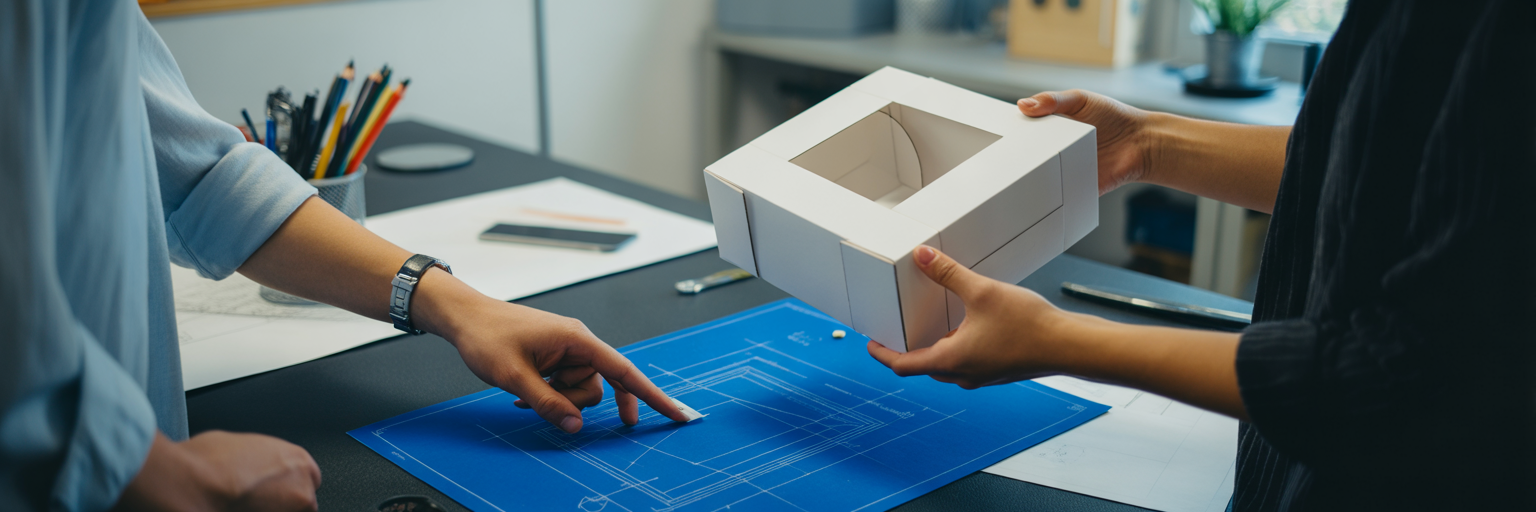
Once you’ve selected your design partner, the work shifts from selection to execution. A successful outcome depends on a strong collaborative relationship built on clear communication and constructive feedback. A beautiful design that cannot be produced correctly is just an expensive drawing.
Establish clear communication protocols from the start. Agree on how often you will meet, how feedback will be delivered, and who the primary point of contact will be. When providing feedback, be specific and objective. Instead of saying, “I don’t like it, can you make it more luxurious?” try something actionable: “The current font feels a bit too modern. Let’s explore a classic serif font and see how a blind emboss could add a more tactile, premium feel.” This gives your designer concrete direction to work with.
The most critical phase of collaboration is the bridge between design and manufacturing. Your designer must understand the technical limitations and opportunities of production. This is especially true for intricate projects like custom gift boxes for businesses, where structural integrity and material choices are paramount. This is where working with a partner who has in-house design and production capabilities becomes a significant advantage. An integrated team ensures that every design decision is made with manufacturability in mind, creating a seamless transition from a digital concept to a flawless physical product, on time and within budget.