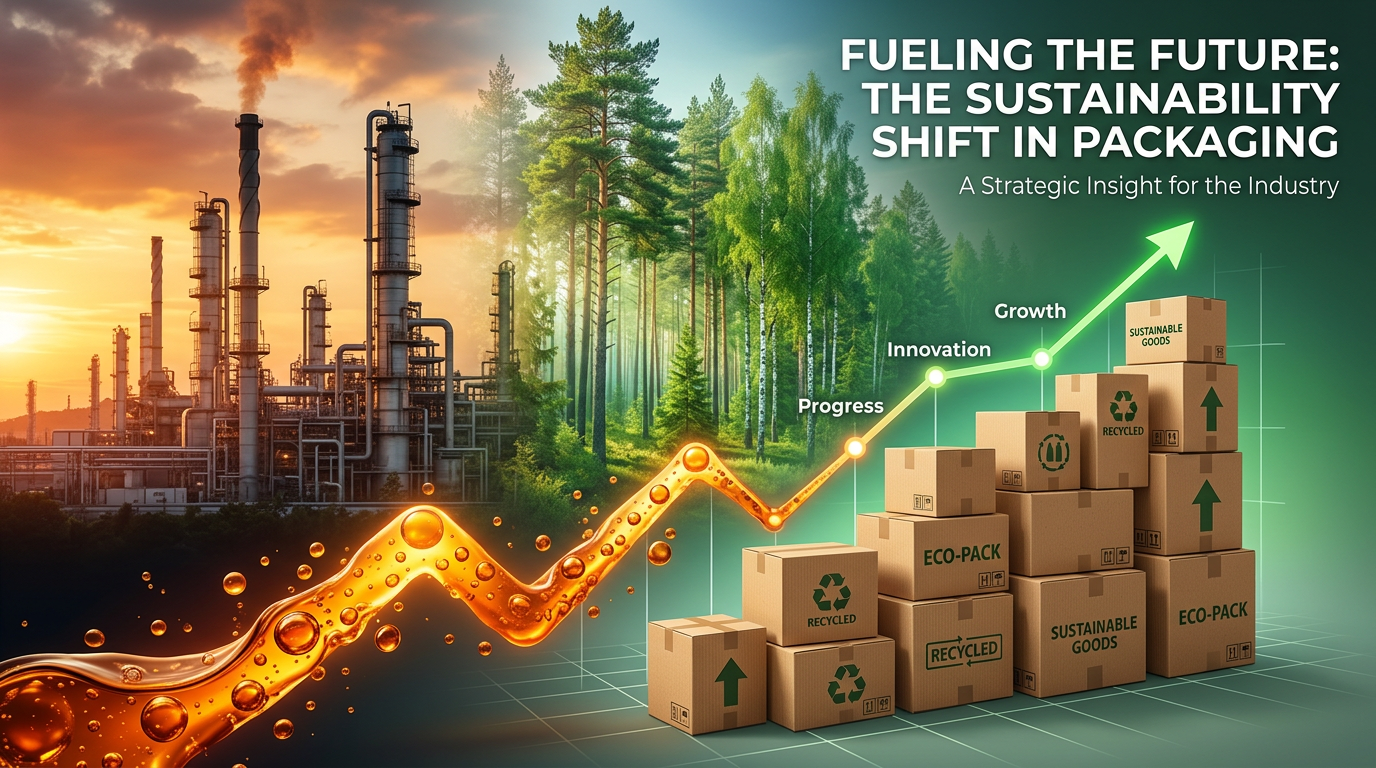
Recent surges in global oil prices are fundamentally altering the economics of plastic manufacturing, with direct ripple effects across the packaging sector. As businesses grapple with higher raw material costs, many are pivoting toward more stable, sustainable alternatives like custom cardboard solutions.
Understanding Oil’s Role in Plastic Production
Oil remains the cornerstone of plastic production, primarily through naphtha—a crude oil derivative used to create ethylene and propylene monomers. These building blocks form everyday packaging resins such as polyethylene (PE) for films and bags, polypropylene (PP) for containers, and polyethylene terephthalate (PET) for bottles.
When oil prices climb—as they have amid 2026’s geopolitical tensions—naphtha costs rise proportionally, often accounting for 70-90% of resin expenses. Processing steps like cracking, polymerization, and extrusion further amplify this, as they rely on oil-linked energy sources. A sustained $10 per barrel increase can push plastic prices up by 5-10% within a month, squeezing thin margins in competitive markets.
Current Oil Market Dynamics (Early 2026)
Entering March 2026, Brent crude has surged past $100 per barrel, driven by supply disruptions in key regions and steady demand from recovering economies. This marks a sharp reversal from late 2025 lows around $70, reflecting volatility from OPEC decisions and regional conflicts.
| Benchmark Oil Price Trends | Q4 2025 Avg | March 2026 Avg | Year-Over-Year Change |
|---|---|---|---|
| Brent Crude | $75 | $105 | +40% |
| WTI (West Texas) | $71 | $100 | +41% |
| Dubai (Asia Marker) | $73 | $102 | +39% |
Such swings create uncertainty, with forecasts suggesting highs through summer unless demand cools from economic slowdowns.
Plastic Price Escalation: Specific Impacts
Virgin plastic resins are feeling the brunt. PET, vital for beverage packaging, has seen spot prices jump due to paraxylene (PX) shortages tied to oil. PP for food trays and PS for protective inserts follow propylene and styrene trends, respectively, with European markets reporting 15-25% hikes year-to-date.
FMCG companies, where packaging comprises 10-25% of product costs, face tough choices: absorb hits, pass them on via price increases, or shrink contents subtly. Thermoformed sheets for blisters and clamshells now carry short validity quotes, complicating planning.
| Key Plastic Resins | Primary Feedstock | Q1 2026 Price Rise | Main Uses in Packaging |
|---|---|---|---|
| PET | Naphtha/PX | 18-22% | Bottles, trays |
| HDPE | Ethylene | 12-16% | Jars, films |
| PP | Propylene | 14-20% | Hinge boxes, tubs |
| PS | Styrene | 8-12% | Foam inserts |
Supply Chain Disruptions and Business Pain Points
Upstream, petrochemical plants operate near capacity, leading to allocation and force majeure events. Midstream logistics add fuel surcharges, while downstream converters pass on volatility through minimum orders and surcharges.
Small-to-medium packagers in Europe and Asia report delivery delays of 4-6 weeks, up from 2-3, as Asian exports prioritize high-margin buyers. E-commerce fulfillment suffers too, with protective plastics costing more amid booming volumes.
Brands in food, cosmetics, and pharma—reliant on barrier properties—are hit hardest, prompting urgent redesigns to maintain shelf appeal without ballooning expenses.
The Packaging Industry’s Strategic Pivot
This crisis accelerates a long-brewing shift away from fossil-fuel dependent plastics. Recycled plastics (rPET, rPE) gain traction, requiring less virgin feedstock and energy—up to 80% savings in high-oil scenarios. Their price premium evaporates when crude spikes, making them economically viable.
Fiber-based alternatives like corrugated cardboard and paperboard decouple entirely from oil, offering predictable pricing. Rigid boxes, with their premium feel and superior protection, emerge as stars for high-value goods, reducing damage claims by 40-60%.
EU regulations amplify this: the Packaging and Packaging Waste Regulation (PPWR) mandates recycled content minima by late 2026 and full recyclability by 2030, with bans on certain single-use formats. Non-compliance risks fines up to 4% of turnover.
Comparing Traditional Plastics vs. Sustainable Options
| Material Category | Cost Stability (Oil Shock) | Environmental Footprint | Protection Level | Customization Potential |
|---|---|---|---|---|
| Virgin Plastics | Low (Volatile) | High (Non-Renewable) | High | Medium |
| Recycled Plastics | Medium (Improving) | Medium (Circular) | High | Medium |
| Cardboard Boxes | High (Stable) | Low (Renewable) | Medium-High | High |
| Rigid Boxes | High (Stable) | Low (Recyclable) | Excellent | Very High |
Cardboard excels in bulk shipping and retail displays, while rigid setups shine for unboxing experiences in luxury FMCG.
Emerging Alternatives Gaining Ground
Beyond basics, bio-based options like PLA (from corn starch) and mushroom mycelium packaging offer compostability, though scalability lags. Molded pulp from sugarcane waste provides grease resistance for food trays, mimicking plastic functionality.
Hybrid designs—cardboard exteriors with minimal recycled plastic liners—balance cost, protection, and compliance. These innovations cut total ownership costs by 15-30% over pure plastic in volatile markets.
Advantages of Cardboard and Rigid Packaging Now
Cardboard’s low density slashes shipping fees, and its renewability aligns with consumer demands—80% of shoppers prefer eco-packaging. Rigid boxes from providers like DST-Pack deliver luxury via foiling, embossing, and inserts, ideal for advent calendars, gift sets, and electronics.
Unlike plastics, these materials source from managed forests, with full kerbside recycling. In B2B, they enable faster prototyping and shorter lead times, crucial during disruptions.
Real-World Adaptation Examples
A major European dairy switched 50% of multipacks to fiberboard, stabilizing costs and boosting brand image amid 2025 oil spikes. Indian FMCG players reduced plastic grammage by 10-15% while adding paper overwraps, minimizing pass-through pricing.
Polish cosmetics firms adopted custom rigid boxes, reporting 25% fewer returns from transit damage. These cases show proactive shifts yield resilience and marketing wins.
Practical Strategies for Manufacturers and Brands
Diversify suppliers across regions and materials—aim for 50% non-oil dependent by year-end. Hedge with forward contracts on stable fibers and monitor indices like ICIS for resin dips.
Invest in design software for lightweighting and test DST-Pack prototypes for rigid needs. Build buffer stocks during lulls and prioritize suppliers with recycling certifications to preempt regs.
For procurement teams: Negotiate volume discounts on cardboard now, as demand surges. Track oil futures weekly to anticipate waves.
Navigating Regulations and Future Compliance
PPWR timelines pressure plastics heavily:
| Milestone | Requirement Details | Impact on Plastics |
|---|---|---|
| Aug 2026 | Phase out substances of concern | Reformulation |
| 2028 | Recycled content quotas (PET: 30%) | rPET Mandate |
| 2030 | All packaging recyclable/reusable | Design Overhaul |
| 2040 | 15% waste reduction baseline | Systemic Shift |
Global standards like those in the UK and US echo this, favoring fibers.
Long-Term Industry Transformation
By 2027, expect packaging mixes to tilt 40% fiber/30% recycled plastic/30% virgin, with oil shocks hastening circular models. Winners will leverage data analytics for demand forecasting and AI-optimized designs.
Premium segments thrive on rigid boxes, while commoditized goods go fully cardboard. This reshape promises a leaner, greener sector—less vulnerable to black swan events.
Partner with DST-Pack for Resilient Solutions
DST-Pack crafts bespoke cardboard and rigid boxes tailored for your FMCG or e-commerce needs, from Warsaw to worldwide. Immune to oil whims, our packaging safeguards margins, delights customers, and ticks regulatory boxes.
Ready to fortify your supply chain? Reach out for quotes on custom rigid boxes or advent calendars—let’s turn volatility into your competitive edge.