An advent calendar is one of those rare products that sits at the intersection of tradition, marketing, and emotion. For many people it’s a nostalgic childhood object. For brands, it has become a powerful seasonal marketing tool. And for retailers, it’s now a multi-billion-dollar category that expands every year far beyond its original religious roots.
Here is a deep look at what an advent calendar actually is, where it comes from, why it has become so popular in modern commerce, and how businesses are using it in increasingly creative ways.
What is an advent calendar?
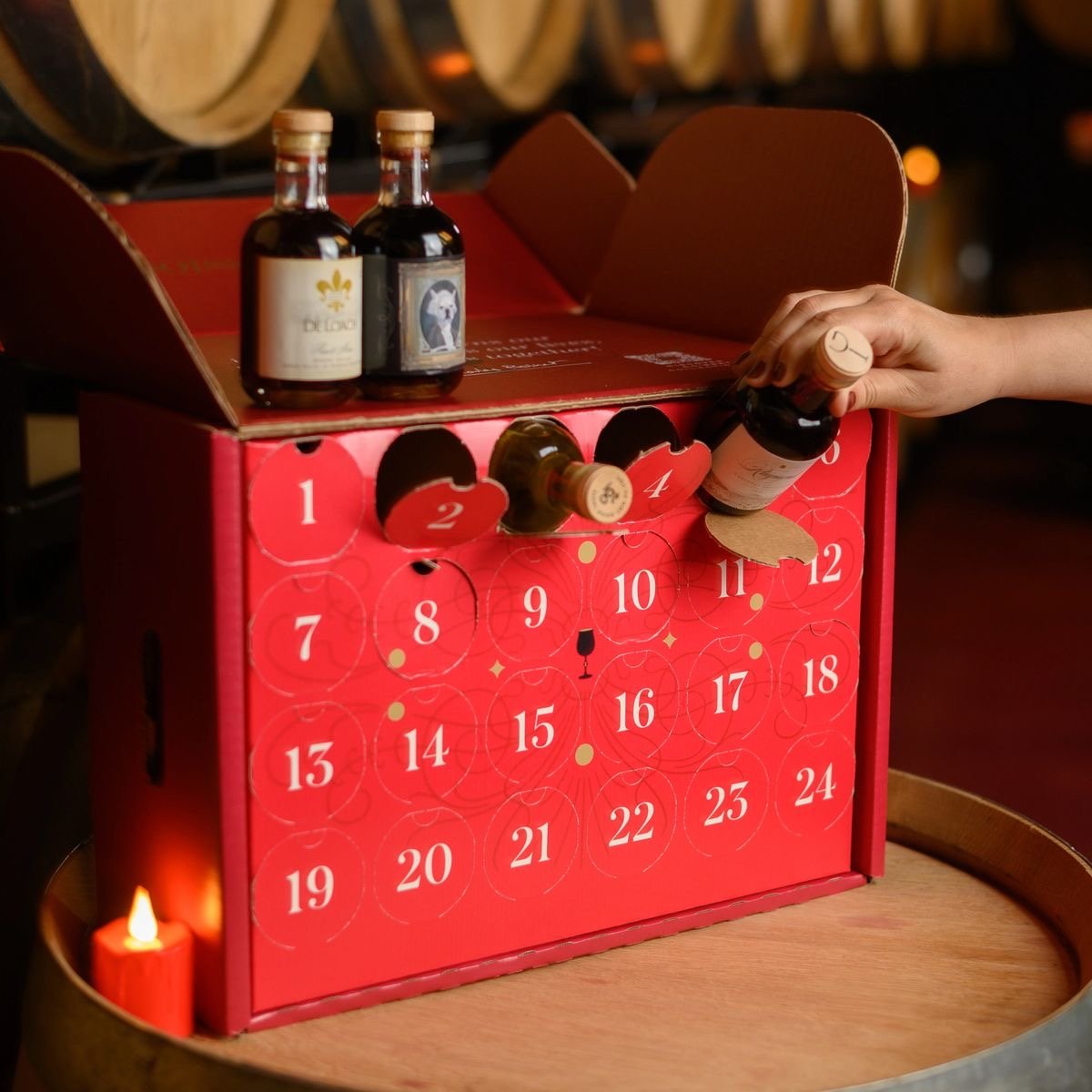
At its simplest, an advent calendar is a special calendar used to count down the days leading up to Christmas. It usually begins on December 1st and ends on December 24th. Each day reveals a small surprise hidden behind a door, drawer, or compartment. Traditionally this surprise was a picture or a religious message. Today it can be almost anything: chocolate, cosmetics, toys, candles, tea, alcohol miniatures, or luxury gifts.
Modern advent calendars are essentially structured gift packaging. They combine storytelling, anticipation, and daily engagement into one product. Instead of giving a single gift, the calendar turns December into a sequence of small moments of excitement. This psychological element is a major reason for their enduring appeal.
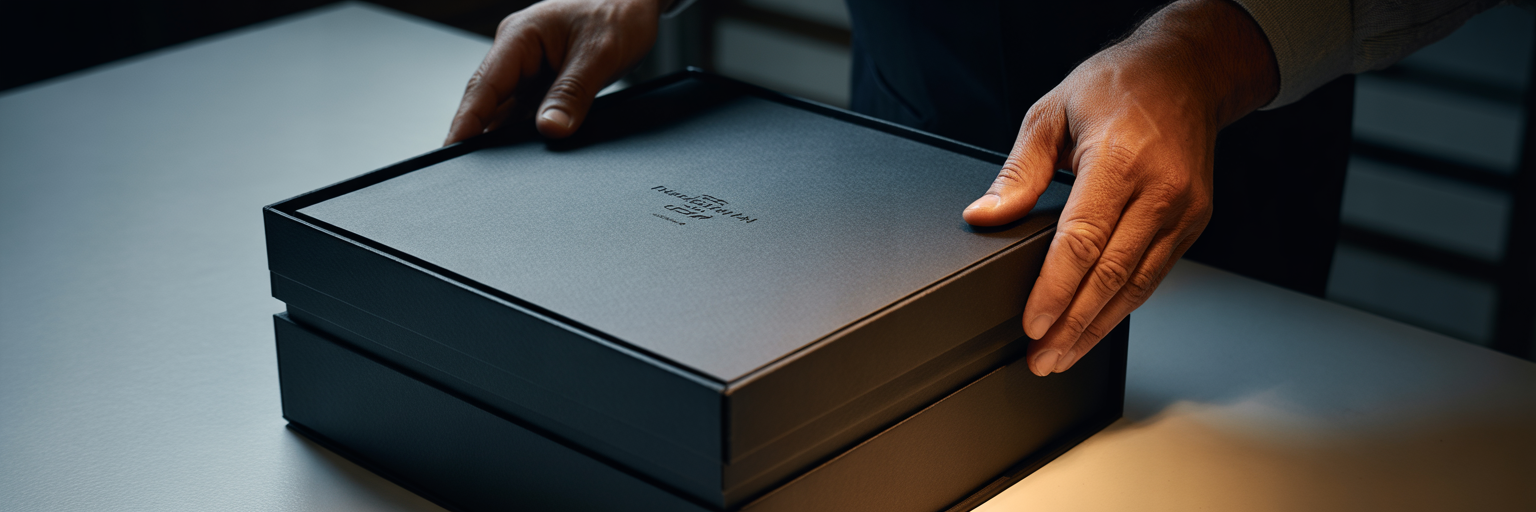
Physically, advent calendars come in many formats. The most classic version is a flat cardboard calendar with perforated windows. More premium versions use rigid boxes, drawer systems, or fold-out book structures. In recent years, high-end custom advent calendars have evolved into collectible packaging pieces designed to be reused or displayed.
The historical roots of advent calendars
The concept of counting down to Christmas comes from 19th-century Germany. Protestant families used simple methods to mark the days of Advent, such as drawing chalk lines on doors or lighting candles. The first printed advent calendars appeared in the early 1900s in Germany, where publishers created decorative sheets with small doors that children could open each day.
By the 1920s and 1930s, advent calendars had become commercially popular in Europe. After World War II, chocolate manufacturers began adding sweets behind the doors, transforming the calendar into a gift product rather than just a devotional item. This shift from religious symbolism to consumer enjoyment marked the beginning of the modern advent calendar industry.
As globalization expanded retail markets in the late 20th century, advent calendars spread far beyond German-speaking countries. Supermarkets and specialty stores across Europe and North America began stocking them as seasonal staples. By the early 2000s, premium brands started experimenting with luxury materials and high-value contents, pushing the category into new territory.
Why advent calendars are more popular than ever
The recent explosion in popularity is closely tied to changes in consumer behavior and social media culture. Advent calendars fit perfectly into the modern appetite for experiences rather than single purchases. They extend engagement over 24 days and create daily shareable moments, which is ideal for platforms like Instagram, TikTok, and YouTube.
Unboxing culture has played a major role. Many influencers create daily advent calendar opening videos throughout December. This repeated exposure encourages impulse purchases and turns calendars into social content. Brands benefit from extended visibility instead of a one-time product launch.
Another factor is the shift toward premium gifting. Consumers are increasingly willing to pay for curated experiences. A well-designed advent calendar feels like a luxury ritual. It combines packaging design, storytelling, and product sampling into one cohesive concept. For brands, it’s an opportunity to showcase an entire product range in miniature form.
Seasonal emotional marketing also contributes to demand. December is associated with nostalgia, family traditions, and anticipation. Advent calendars tap directly into these emotions. Even adults who did not grow up with them are adopting them as a new seasonal ritual.
How businesses use advent calendars today

For businesses, advent calendars are no longer just retail products. They have become strategic marketing tools used in multiple ways.
One major use is brand discovery. Cosmetic companies, for example, include miniature versions of their best-selling products. Customers can test a wide range of items in one purchase. This often leads to future full-size sales.
Another use is corporate gifting. Companies give custom advent calendars to employees and clients as end-of-year gifts. These calendars often contain branded items, gourmet food, or premium accessories. Because they are opened over several weeks, they maintain brand presence throughout the holiday season.
Luxury brands use advent calendars as statement pieces. High-end fashion houses and jewelry brands create collectible calendars that double as decorative objects. These are often produced in limited editions and positioned as prestige items.
Subscription businesses also use advent calendars as seasonal campaigns. Coffee roasters, tea brands, craft beer companies, and even software platforms create themed calendars that highlight their offerings in a curated sequence.
Where advent calendars are used around the world
Advent calendars are most deeply rooted in Germany, Austria, and Switzerland, where the tradition originated. However, they are now widely used across Europe, North America, and increasingly in Asia.
In the United Kingdom and Scandinavia, advent calendars are a mainstream seasonal product category. Supermarkets dedicate entire sections to them every December. In the United States and Canada, their popularity has grown rapidly over the past decade, especially in premium and niche markets.
Asian markets such as Japan, South Korea, and China are adopting advent calendars as novelty luxury gifts. They are often marketed as Western holiday experiences and appeal to younger consumers interested in global trends.
Interestingly, advent calendars are also being adapted for non-Christmas occasions in some regions. Brands create countdown calendars for New Year celebrations, Valentine’s Day, or even Ramadan, demonstrating the flexibility of the format.
Unusual and creative uses of advent calendars
Some of the most interesting advent calendars come from unexpected industries. For example, museums and educational institutions have created calendars filled with historical facts or scientific experiments. Each day reveals a new learning activity.
Pet brands produce advent calendars for dogs and cats, filled with treats and toys. These have become surprisingly popular among pet owners who want to include their animals in holiday traditions.
There are also experiential calendars that contain activities rather than objects. Travel companies have created calendars with daily vouchers for experiences, such as restaurant discounts or local attractions. Fitness brands have designed calendars with daily workout challenges.
In the tech world, some companies offer digital advent calendars that unlock software features, online content, or exclusive access to communities. This shows how the concept can extend beyond physical packaging.
One particularly unusual example is the rise of charity advent calendars. These encourage participants to donate or perform acts of kindness each day. Instead of receiving gifts, users contribute to social causes, turning the countdown into a philanthropic ritual.
The future of advent calendars
Advent calendars continue to evolve as packaging technology and consumer expectations change. Sustainability is becoming a central focus. Brands are exploring recyclable materials, reusable structures, and reduced plastic components.
Customization is another growing trend. Businesses increasingly request tailor-made calendars designed around specific themes, audiences, and brand identities. Digital integration, such as QR codes linking to online content, adds another interactive layer.
What began as a simple religious countdown has transformed into a sophisticated global product category. Advent calendars now function as marketing platforms, collectible packaging, and emotional experiences. Their ability to combine anticipation, storytelling, and gifting ensures that they will remain relevant for years to come.
In essence, an advent calendar is no longer just a holiday novelty. It is a versatile format that reflects how modern consumers engage with brands, traditions, and seasonal rituals.
We, as a professional custom advent calendar manufacturer, can help you to create an advent calendar fully tailored to your brand.