Understanding Private Label Packaging Beyond Visual Design
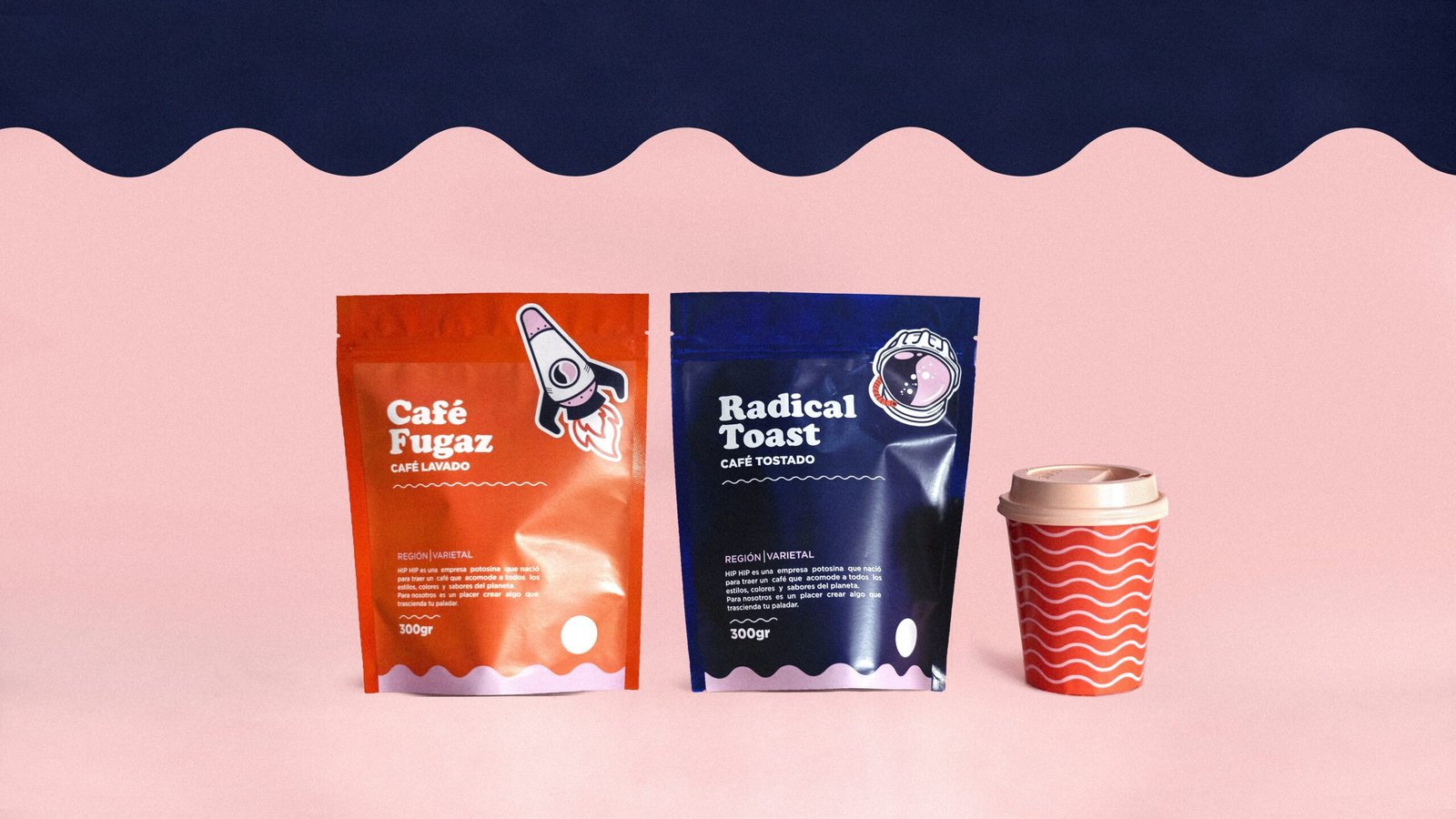
Private label packaging production is often approached from the wrong starting point. Most brands begin with visual inspiration—looking at competitors, collecting references, and focusing on how the final product should appear. While this step feels natural, it creates a structural problem early in the process: decisions are made based on appearance before understanding how packaging will behave in production, logistics, and real-world usage.
Packaging is not a static object. It is a physical system that must function consistently across multiple stages—manufacturing, packing, transportation, storage, and final delivery. Each of these stages introduces different types of stress. A box that looks perfect in a sample room may deform under stacking pressure in a warehouse, or fail to protect the product after several days of vibration during shipping.
This shift is happening across industries. Private label products are no longer seen as “cheap alternatives” but as fully developed brands, and packaging plays a key role in that transformation. Research shows that modern private label growth is directly tied to improvements in packaging quality, positioning, and branding strategy, with consumers increasingly associating packaging with product value and trust :contentReference[oaicite:0]{index=0}.
The key is to treat packaging not as a design project, but as an operational system. Every decision—structure, material, finish—must be evaluated not only for how it looks, but for how it performs repeatedly under real conditions.
Structural Design: The Foundation of Cost, Efficiency, and Reliability
Structural design is the most critical layer of private label packaging production, yet it is often underestimated because it is less visible than graphics. In reality, structure determines whether packaging can be produced efficiently, whether it protects the product properly, and whether it scales without increasing operational complexity.
One of the main challenges in structural design is managing tolerances. In theory, every product has exact dimensions, but in practice, variation always exists. Even high-quality manufacturing allows small deviations, and packaging materials themselves behave differently depending on humidity and cutting precision. When these variations accumulate, they can create noticeable issues. Inserts that are too tight slow down packing and increase the risk of product damage. Inserts that are too loose allow movement during transport, leading to internal wear or breakage.
Another overlooked factor is assembly logic. A structure that looks elegant in a prototype may require too many manual steps during packing. At small volumes, this inefficiency is barely noticeable. At scale, it becomes a significant cost driver. An extra 10–15 seconds per unit can translate into hundreds of additional labor hours over a production run, while also increasing the likelihood of human error.
Good structural design is not about complexity—it is about clarity and repeatability. The best packaging structures are those that can be assembled quickly, consistently, and without ambiguity, even under time pressure.
Cost Structure: Why Unit Price Alone Is Misleading
One of the most common mistakes in private label packaging production is focusing solely on unit price. While it is a useful reference point, it does not reflect the full cost of packaging.
Packaging cost is influenced by multiple layers, including materials, printing, finishing, assembly, and logistics. These elements are interconnected, which means that changing one often affects several others. For example, adding an extra insert increases not only material cost, but also die-cutting processes, assembly time, and the risk of packing errors. Similarly, increasing box size may have a minimal impact on material cost but a significant impact on shipping expenses due to higher volume.
Material optimization is another area where expectations often do not match reality. Reducing board thickness may seem like an easy way to lower costs, but material is only part of the total cost structure. Printing and finishing often represent a larger share. At the same time, thinner materials can compromise structural integrity, increasing the risk of damage during transport.
The most effective approach is not to minimize individual cost elements, but to optimize the entire system. This requires understanding how each decision affects the overall balance between cost, performance, and scalability.
Printing and Finishing: Managing Expectations and Production Reality
Printing is one of the most visible aspects of packaging, but it is also one of the areas where expectations can diverge from production reality. Many clients expect perfect consistency across all units, similar to digital screens. In practice, printing involves variables such as ink behavior, paper absorption, and machine calibration, all of which introduce small variations.
The goal in production is not absolute uniformity, but controlled consistency. This means defining acceptable tolerances and ensuring that variations remain within those limits.
Finishing techniques—such as foil stamping, embossing, and spot UV—add perceived value but also introduce complexity. Each additional process requires alignment and handling, increasing both cost and the potential for defects. Combining multiple finishing techniques can create a premium look, but it also raises the risk of production issues and slower output.
Effective packaging uses finishing strategically. Instead of applying multiple techniques across the entire surface, strong designs focus on highlighting key elements while keeping production stable and predictable.
Logistics and Packaging Efficiency: The Hidden Cost Driver
Logistics is one of the most underestimated aspects of private label packaging production, even though it often has a larger financial impact than material selection.
Shipping costs are frequently based on volume rather than weight, which means that inefficient packaging dimensions can significantly increase expenses. A box that is only slightly larger than necessary may seem insignificant during design, but when multiplied across thousands of units, it can reduce container utilization and increase shipping costs per unit.
This is why packaging design must be aligned with logistics from the beginning. Optimizing dimensions, reducing empty space, and ensuring efficient packing configurations can have a measurable impact on margins.
Another important decision is whether packaging should be shipped flat or pre-assembled. Flat-packed packaging reduces shipping volume but requires assembly at the destination. Pre-assembled packaging simplifies packing operations but increases freight costs. The optimal solution depends on the balance between labor costs and shipping expenses.
Category-Specific Packaging: Why One Solution Never Works for All Products
One of the biggest mistakes in private label packaging production is trying to apply a single packaging logic across different product categories. Each category has its own constraints, customer expectations, and structural requirements.
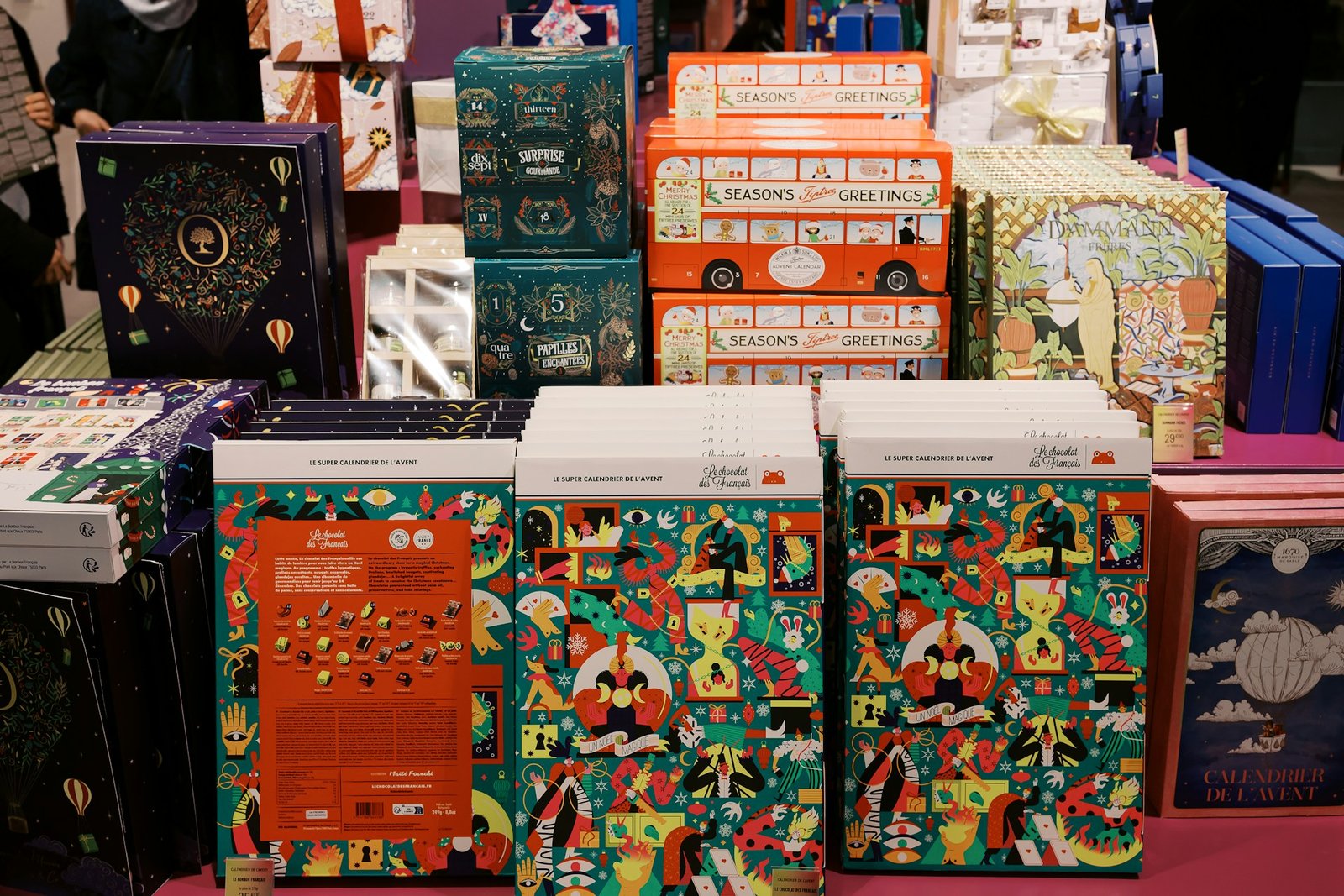
For example, branded packaging for retail stores must prioritize shelf visibility, fast recognition, and visual differentiation. In contrast, custom perfume packaging focuses heavily on precision, protection, and premium tactile experience, often using rigid structures and inserts to secure fragile glass bottles.
In the beauty industry, custom packaging for cosmetics must balance aesthetics with functionality, ensuring that packaging looks attractive while also surviving frequent handling and transportation. Meanwhile, custom jewelry packaging demands high precision and premium presentation, often requiring soft-touch materials and carefully engineered inserts to prevent movement and scratches.
Gift-oriented products follow a different logic. custom gift boxes for businesses are designed not just for protection, but for emotional impact. The opening experience becomes part of the product value, which means structural complexity must be balanced with usability and assembly efficiency.
For fast-moving consumer goods, such as custom candy packaging, cost efficiency, scalability, and compliance with food safety requirements become primary considerations, often limiting material and finishing choices.
Each category requires a different balance between cost, structure, branding, and logistics. Applying the same approach across all of them leads to inefficiencies and missed opportunities.
Sampling: The Only Stage Where Changes Are Still Cheap
Sampling is often treated as a visual checkpoint, but its real value lies in testing functionality. This is the stage where assumptions can be validated before large-scale production begins.
A thorough sampling process includes evaluating assembly time, checking how the product fits under real conditions, and testing structural performance under basic stress scenarios such as stacking or handling. These tests do not need to be complex, but they need to reflect real-world usage.
Multiple sampling iterations are normal and necessary. Each round allows for adjustments that improve performance and reduce risk. Skipping iterations to save time often leads to more expensive corrections during production.
Production Execution: Controlling Variability at Scale
Even with approved samples, production introduces variability. Differences in materials, machine settings, and handling can lead to small deviations in the final result. These may include slight color variations, minor alignment differences, or inconsistencies in glue application.
The objective is not to eliminate variability completely, but to control it within acceptable limits. This requires clear specifications and effective communication. When requirements are not defined precisely, factories rely on assumptions, which leads to inconsistent results.
Scaling Challenges: When Packaging Starts to Break
Packaging that works well at small volumes often reveals weaknesses at scale. Assembly time becomes a bottleneck, small inefficiencies accumulate, and cost structures begin to shift.
Manual processes that are manageable at 1,000 units become inefficient at 50,000. Similarly, minor material overuse or unnecessary finishing steps start to significantly impact margins when multiplied across large production runs.
Scaling successfully requires simplifying structures, standardizing processes, and continuously optimizing packaging based on real production data.
The Role of Professional Design in Production Success
Packaging design is not just about creating an attractive visual. It is a technical process that must align with manufacturing capabilities and operational requirements.
Working with a professional packaging design service ensures that dielines, tolerances, and production constraints are correctly defined from the beginning. This reduces the risk of costly adjustments later and ensures that packaging performs consistently at scale.
Conclusion: Packaging as a Long-Term Operational Advantage
Private label packaging production should be approached as a long-term system rather than a one-time project. When decisions are aligned across design, production, and logistics, packaging becomes a stable and scalable part of the business.
Well-executed packaging reduces operational friction, protects margins, and enhances customer experience. Poorly executed packaging creates hidden costs, inefficiencies, and risks that only become visible over time.
The difference lies in depth of approach. Focusing only on appearance leads to short-term results. Focusing on how packaging performs across its entire lifecycle creates long-term competitive advantage.