Packaging for Food Startups: Branding, Compliance & Growth Strategy
For food startups, packaging is not just a protective layer — it is one of the most powerful tools for building a brand, attracting customers, and competing with established players. In today’s crowded food market, especially in retail and e-commerce, packaging often determines whether a customer picks your product or moves on to a competitor.
From snack brands and ready-to-eat meals to premium sauces, bakery goods, and health-focused food products, startups must carefully design packaging that balances cost, compliance, functionality, and strong visual identity.
In this article, we will explore how food startups can approach packaging strategically, what mistakes to avoid, and how custom packaging solutions from DST-Pack can support growth from early stage to scale-up.
Why Packaging Matters So Much for Food Startups
Unlike established food brands that already have consumer trust, startups must earn attention and credibility from scratch. Packaging becomes the first point of communication between the product and the customer — especially in retail shelves or online listings.
Research shows that consumers often decide within seconds whether to pick up a product based on packaging alone. This makes design, clarity, and perceived quality extremely important for new brands entering the market.
Good packaging does more than look attractive — it communicates taste, quality, safety, and brand values instantly.
Core Functions of Food Packaging
Food startup packaging must fulfill several essential roles at the same time:
- Protection: Keeps food safe from contamination, moisture, oxygen, and physical damage
- Preservation: Extends shelf life and maintains freshness
- Information: Communicates ingredients, allergens, and nutritional data
- Branding: Builds identity and recognition in a competitive market
- Convenience: Ensures easy opening, storage, and usage
At DST-Pack, we design packaging systems that integrate all of these functions into scalable solutions for growing food brands.
Regulatory Requirements for Food Packaging
Food packaging is highly regulated across all markets. Startups must ensure compliance from the beginning to avoid legal issues and costly redesigns later.
Mandatory Labeling
Most regions require food packaging to include:
- Product name and description
- Ingredient list in descending order
- Allergen information
- Nutritional facts
- Net weight or volume
- Expiration or best-before date
- Manufacturer or distributor details
Safety Standards
Food contact materials must comply with safety regulations such as EU food contact material standards or FDA guidelines in the United States. Packaging materials must not release harmful substances into food and must remain stable under storage conditions.
This is especially important for startups using innovative materials or eco-friendly alternatives.
Choosing the Right Packaging Materials
Material selection plays a critical role in both product protection and brand perception. Food startups must balance cost efficiency with functionality and aesthetics.
Common Packaging Materials
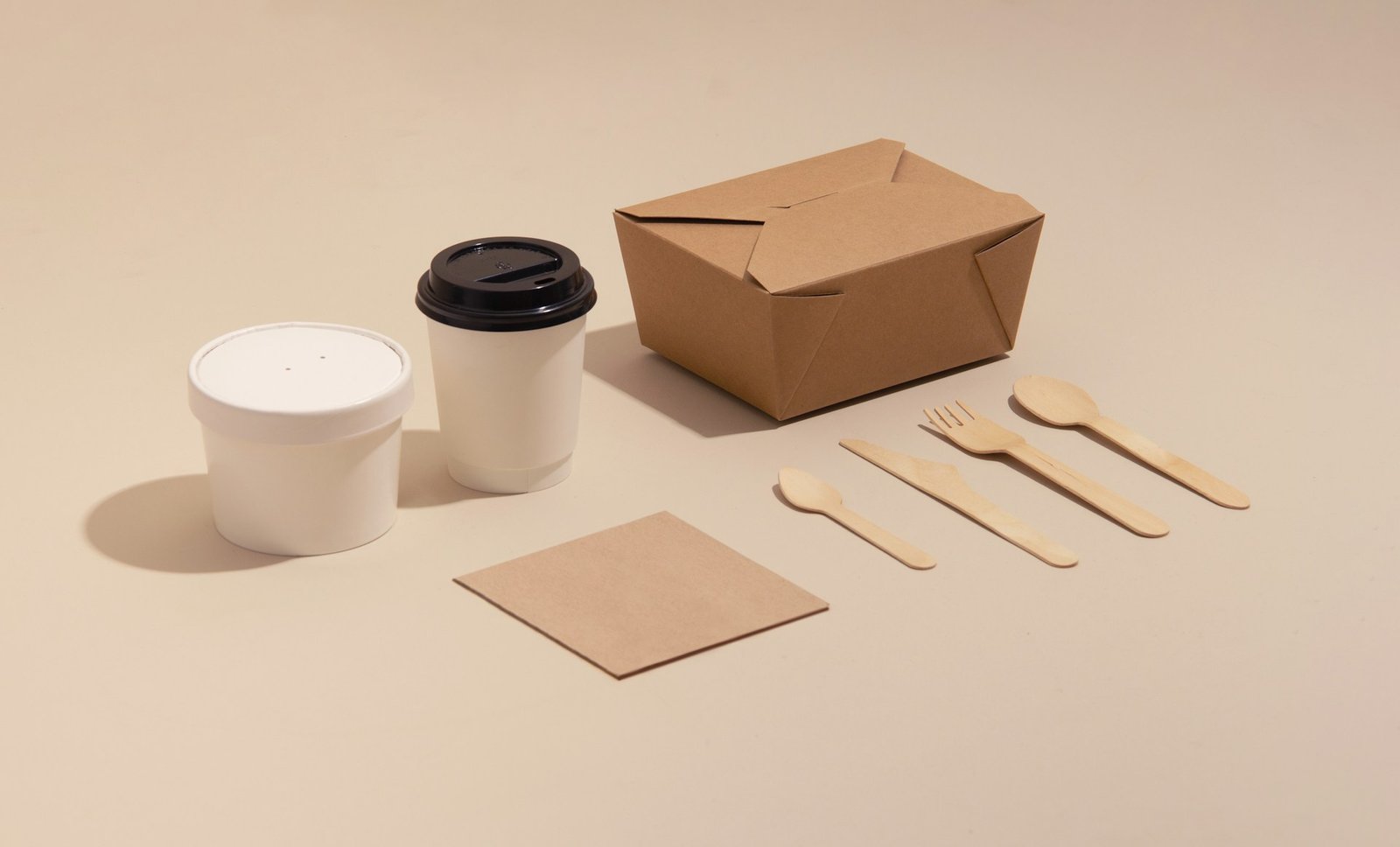
- Cardboard and paperboard: Widely used for dry foods, cereals, snacks, and bakery products
- Flexible pouches: Ideal for snacks, coffee, protein powders, and frozen foods
- Glass: Premium option for sauces, jams, and beverages
- Plastic: Lightweight and cost-effective, used for many food categories
- Compostable materials: Increasingly popular for eco-conscious brands
Choosing the right material impacts not only shelf life but also customer perception and brand positioning.
Packaging Design for Food Startups
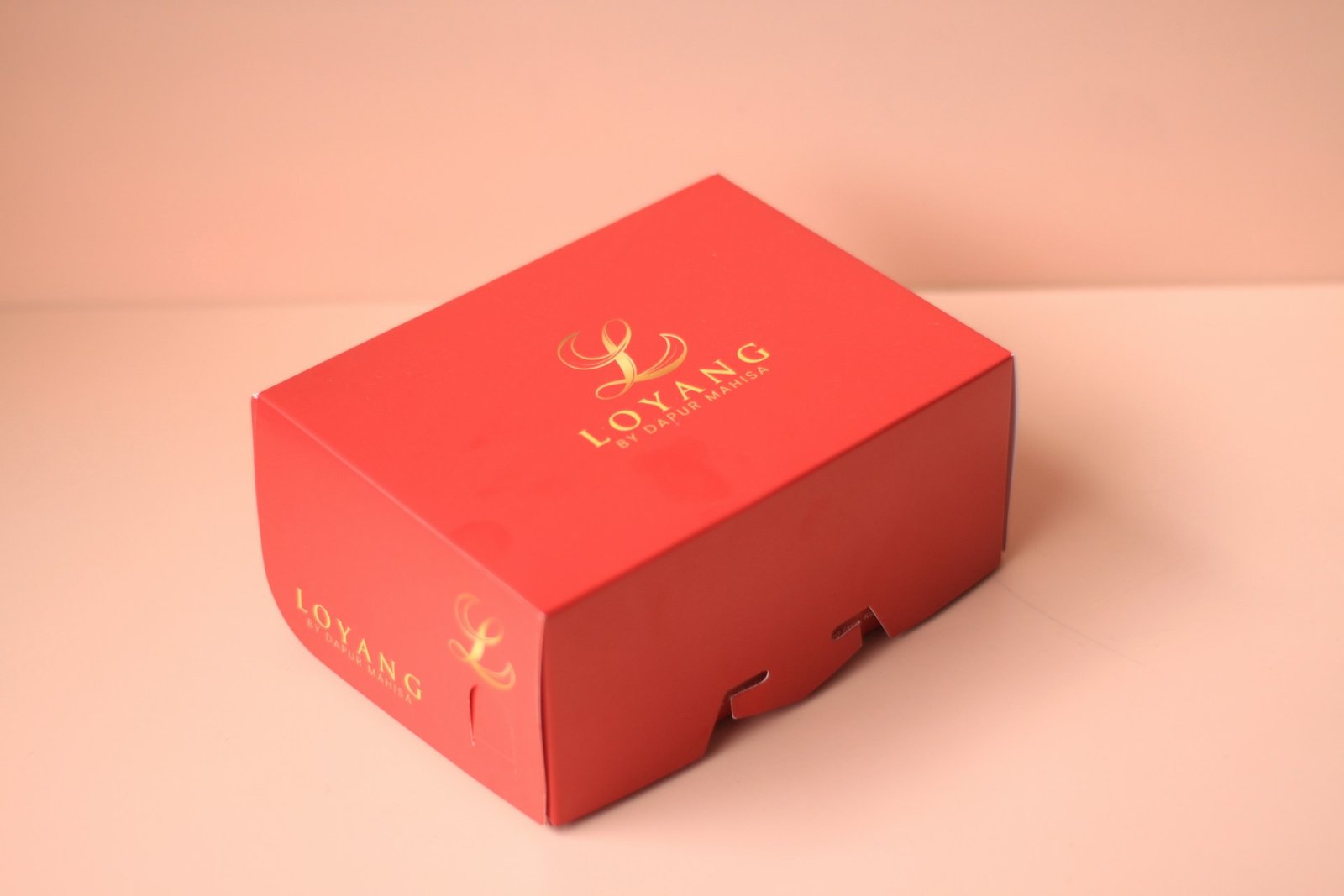
Design is one of the most powerful competitive tools for new food brands. A strong design can communicate premium quality even before the product is tasted.
Key Design Principles
- Clarity: Customers should immediately understand what the product is
- Simplicity: Clean layouts often outperform cluttered designs
- Brand consistency: Colors, typography, and logo must be consistent across product lines
- Category alignment: Design should match consumer expectations for the product type
In competitive retail environments, simplicity and readability often outperform overly complex designs.
Trends in Food Packaging for Startups
The food packaging industry is evolving quickly, driven by sustainability concerns and changing consumer behavior.
1. Clean Label Design
Minimalist packaging with transparent ingredient communication is increasingly preferred by consumers who want healthier, more natural food options.
2. Sustainability First
Eco-friendly packaging is no longer optional. Startups using recyclable or compostable materials gain a strong competitive advantage.
3. Premiumization of Everyday Foods
Even basic food categories like pasta, snacks, and sauces are being repositioned with premium packaging to justify higher price points.
4. E-commerce Optimization
Packaging must now perform well not just on shelves, but also in online photos and during shipping. Durability and visual appeal are equally important.
Common Mistakes Food Startups Make
Many startups underestimate the importance of packaging and make costly mistakes early on.
- Overcomplicated design that confuses customers
- Poor readability of product information
- Choosing cheap materials that damage brand perception
- Ignoring regulatory labeling requirements
- Not considering logistics and shipping durability
Fixing packaging mistakes after launch is significantly more expensive than getting it right from the beginning.
Scalability: From Startup to Growth Brand
One of the most overlooked aspects of packaging is scalability. As food startups grow, packaging must adapt to higher volumes, new product lines, and different distribution channels.
A well-designed packaging system allows brands to expand without redesigning everything from scratch. This includes modular designs, consistent branding systems, and flexible packaging formats.
DST-Pack supports startups through all stages of growth, offering scalable packaging solutions that evolve with the business.
Why Food Startups Choose DST-Pack
Packaging is not just production — it is strategy, design, compliance, and logistics combined into one system.
At DST-Pack, we help food startups build packaging that is:
- Visually strong and brand-focused
- Compliant with international food safety standards
- Optimized for production efficiency
- Designed for both retail and e-commerce success
Explore our packaging solutions at and start building packaging that supports real business growth.
Conclusion
For food startups, packaging is not a secondary consideration — it is a core business tool that influences sales, brand perception, and long-term success. From compliance and materials to design and scalability, every detail matters.
Startups that invest early in high-quality packaging gain a significant advantage in competitive markets, while those that delay often struggle with costly redesigns later.
With the right packaging strategy and a reliable partner like DST-Pack, food startups can transform simple products into strong, scalable, and recognizable brands.