MOQ for Custom Packaging Explained: What It Means & How It Works
If you are ordering custom packaging for the first time, one of the most common terms you will encounter is MOQ (Minimum Order Quantity). For many startups and growing brands, MOQ can feel confusing or even restrictive. However, understanding how MOQ works is essential for planning your packaging strategy, budgeting, and scaling production efficiently.
In this article, we will explain what MOQ means in custom packaging, why manufacturers require it, what factors influence it, and how businesses can reduce MOQ when starting out. We will also show how companies like DST-Pack help brands balance flexibility and cost efficiency.
What Does MOQ Mean in Packaging?
MOQ stands for Minimum Order Quantity. It refers to the smallest number of units a packaging supplier is willing to produce in a single order.
For example, if a packaging factory sets an MOQ of 1,000 units for custom boxes, it means you cannot order 200 or 500 units at that price — you must meet or exceed the minimum threshold.
MOQ exists in almost all custom manufacturing industries, but it is especially important in packaging due to setup costs, printing processes, and material efficiency.
Why Do Packaging Suppliers Have MOQ?
Many first-time buyers assume MOQ is just a restriction, but in reality it is directly tied to production economics.
1. Setup Costs
Every custom packaging order requires setup work — including die-line creation, printing plate preparation, machine calibration, and material sourcing. These costs are fixed regardless of order size.
If a factory produces only a small number of units, these setup costs would make each box extremely expensive.
2. Printing Efficiency
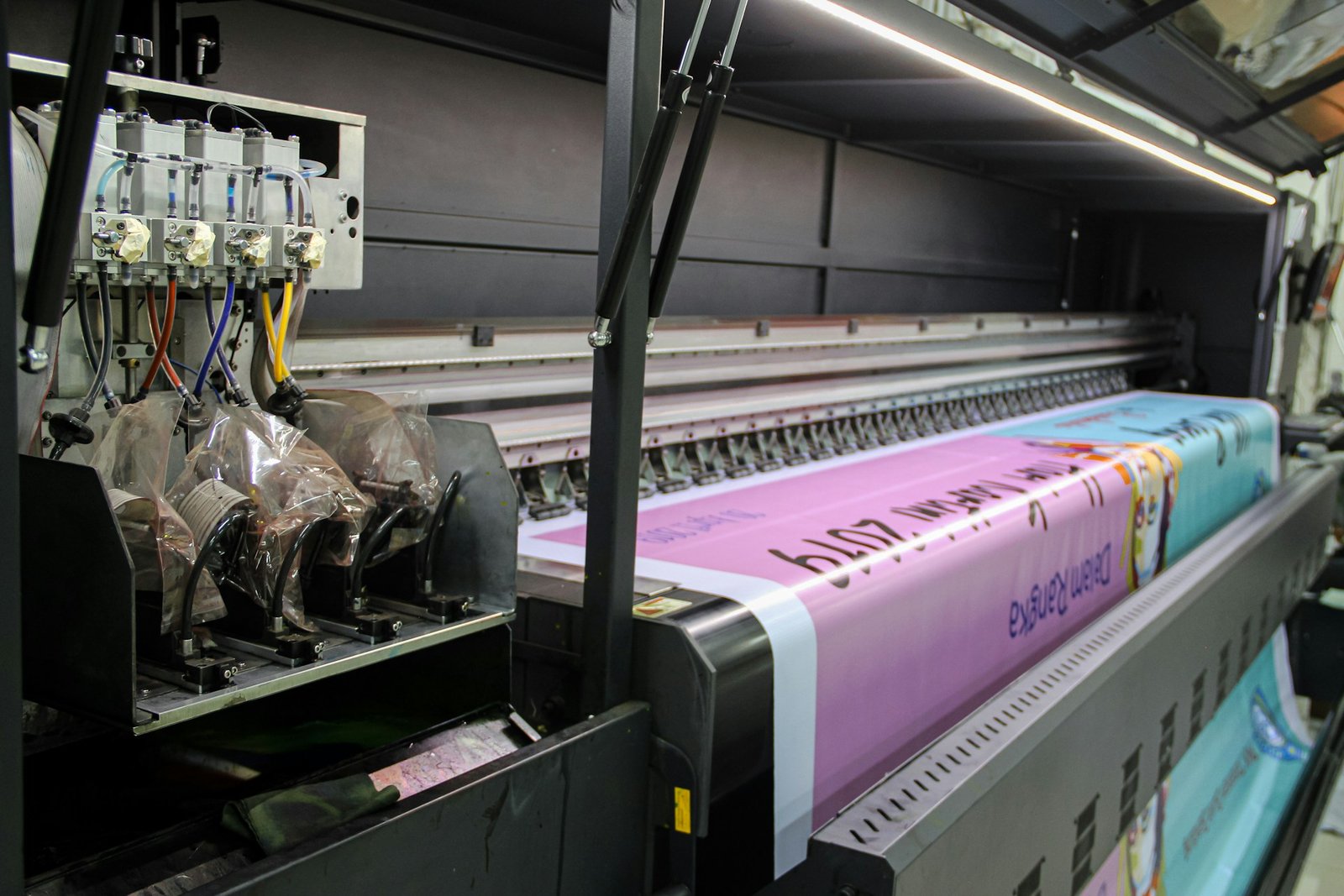
Most packaging is produced using offset printing or large-scale digital systems. These machines are optimized for bulk production. Running very small batches reduces efficiency and increases cost per unit.
3. Material Usage
Cardboard sheets, inks, coatings, and finishing materials are purchased and processed in bulk. MOQ ensures materials are used efficiently without excessive waste.
4. Production Scheduling
Factories plan production in batches. Small orders can disrupt workflow and reduce overall factory productivity, which is why minimum thresholds exist.
Typical MOQ Levels in Custom Packaging
MOQ varies depending on packaging type, complexity, and supplier scale. Here are general industry ranges:
- Simple folding cartons: 500 – 3,000 units
- Rigid boxes (premium packaging): 300 – 1,000 units
- Custom printed bags: 1,000 – 5,000 units
- Luxury packaging with finishes (foil, embossing): 500 – 2,000 units
These numbers are not fixed and can vary significantly depending on customization level and supplier flexibility.
Factors That Influence MOQ
Several key factors determine how high or low MOQ will be for your packaging project.
1. Level of Customization
The more customized your packaging is, the higher the MOQ. Full custom shapes, special coatings, and unique structures require more setup work.
2. Printing Method
Offset printing usually requires higher MOQ due to plate setup, while digital printing can allow smaller runs but at a higher unit cost.
3. Material Type
Premium materials such as rigid board, specialty papers, or laminated finishes often increase MOQ due to sourcing and production constraints.
4. Finishing Techniques
Add-ons like hot stamping, embossing, UV coating, or soft-touch lamination increase production complexity and usually require higher minimum quantities.
5. Supplier Scale
Large factories often have higher MOQ because they are optimized for mass production, while smaller or flexible suppliers may offer lower thresholds.
Why MOQ Matters for Startups
For startups and small brands, MOQ can be one of the biggest challenges when launching a new product. Ordering too many units increases financial risk, while ordering too few may not be possible at all.
That is why packaging strategy should always be aligned with sales forecasts, testing phases, and budget planning.
Many startups begin with a smaller SKU range or simplified packaging design to meet MOQ requirements while keeping costs manageable.
How to Reduce MOQ for Custom Packaging
There are several practical ways to reduce MOQ without sacrificing quality or branding.
1. Simplify Design
Reducing complex finishes, special cuts, or multiple print layers can significantly lower MOQ requirements.
2. Use Standard Structures
Instead of fully custom shapes, using existing box templates or standard die-lines reduces setup time and cost.
3. Choose Digital Printing
Digital printing allows smaller production runs compared to offset printing, making it ideal for testing new products.
4. Combine Orders
Some brands reduce MOQ impact by ordering multiple SKUs in a single production batch, sharing materials or print setups.
5. Work with Flexible Suppliers
Not all suppliers operate the same way. Some, like DST-Pack, work with scalable production systems that help brands start with lower quantities and scale over time.
MOQ vs Unit Price: The Trade-Off
One important concept to understand is the relationship between MOQ and unit cost. In most cases:
- Lower MOQ = higher cost per unit
- Higher MOQ = lower cost per unit
This happens because fixed production costs are distributed across more units in larger orders.
For startups, the goal is to find the optimal balance between affordability and inventory risk.
Sampling Before Full Production
Before committing to a full MOQ order, most brands request samples. Sampling allows you to:
- Check print quality and colors
- Test structural durability
- Evaluate material feel and finish
- Confirm size and fit for the product
Although samples usually cost more per unit, they significantly reduce the risk of costly mistakes in mass production.
How DST-Pack Helps with MOQ Flexibility
At DST-Pack, we understand that not every brand is ready for large-scale production. That’s why we support clients with flexible MOQ options depending on project type, material, and design complexity.
Our approach focuses on helping startups and growing brands:
- Start with realistic order quantities
- Test packaging before scaling
- Optimize cost without sacrificing quality
- Scale production as demand grows
Conclusion
MOQ is one of the most important concepts in custom packaging, especially for startups entering competitive markets. While it may seem like a limitation at first, it is actually a reflection of production economics, efficiency, and quality control.
By understanding how MOQ works and working with the right packaging partner, brands can find the right balance between cost, quality, and scalability.
With flexible production planning and smart packaging decisions, MOQ becomes not a barrier — but a structured path to scalable growth.