Practical Guide for B2B Brands
Packaging is not just a container – it’s a vital marketing tool that communicates your brand values, protects your product, and enhances the consumer experience. Whether you are launching a new line of cosmetics, premium chocolates, or custom perfumes, selecting the right packaging box is a crucial step. Partnering with a professional packaging manufacturer ensures your packaging meets both design and functional requirements.
1. Understanding Product Requirements
Before choosing the box, analyze your product’s characteristics:
- Size & dimensions: Measure length, width, height, and irregular shapes.
- Weight: Determines strength and materials.
- Fragility: Consider inserts, padding, and protective layers.
- Temperature sensitivity: Chocolates and cosmetics may require specific coatings or barriers.
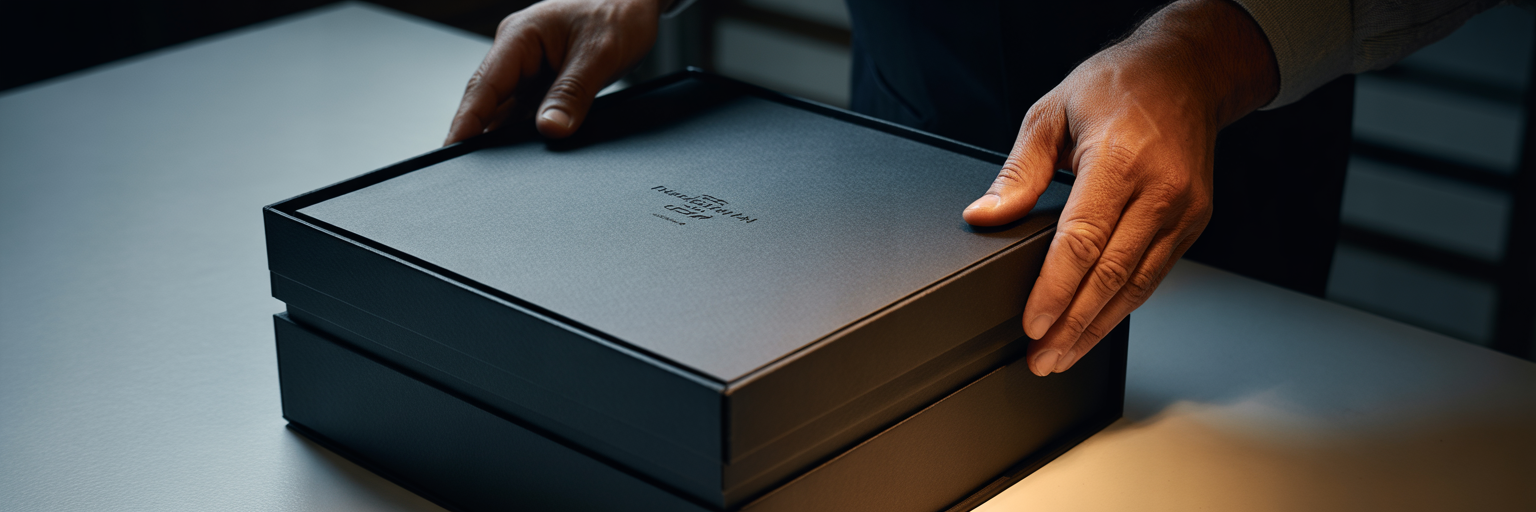
For example, a premium fragrance bottle often requires a sturdy box with a soft-touch finish and protective insert to prevent breakage during shipping.
2. Choosing the Right Material
The material determines durability, presentation, and sustainability. Common options include:
| Material | Best For | Advantages | Considerations |
|---|---|---|---|
| Folding Carton | Chocolate, cosmetics, light products | Lightweight, printable, cost-effective | Limited strength, may need inserts for fragile items |
| Rigid Box | Perfumes, luxury cosmetics, premium chocolates | High-end look, excellent protection, reusable | Higher cost, heavier shipping |
| Kraft / Eco Board | Sustainable brands, organic products | Eco-friendly, rustic appearance, recyclable | Limited printing options, less luxurious feel |
| Corrugated Cardboard | Bulk packaging, e-commerce, fragile items | High durability, excellent protection, customizable | Heavier, less premium look unless covered with decorative sleeve |
3. Selecting Box Size
Box size affects both presentation and cost. Too large a box may increase material costs; too small may damage the product. Use this practical guideline:
| Product Type | Standard Box Size (L×W×H) | Notes |
|---|---|---|
| Perfume bottle (50–100ml) | 8 × 4 × 20 cm | Include foam or molded insert for stability |
| Chocolate truffle box (12 pcs) | 15 × 10 × 3 cm | Compartments prevent movement, consider clear lid for visual appeal |
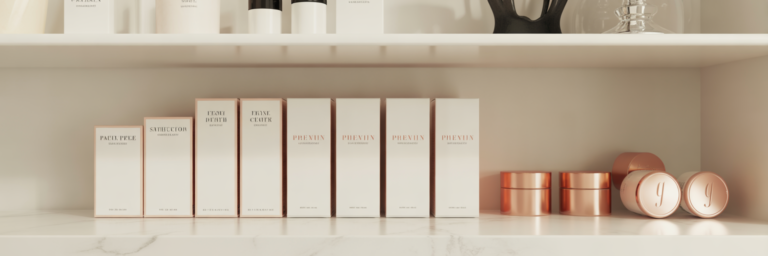
| Cosmetic kit (cream + serum) | 18 × 12 × 6 cm | Layered insert recommended for multiple items |
| Gift set (assorted products) | 25 × 18 × 10 cm | Protective padding required; premium finishes recommended |
4. Branding and Finishing Options
Packaging is also a canvas for your brand identity. Consider:
- Printing: CMYK or spot colors for logos, seasonal graphics
- Coatings: Matte, glossy, soft-touch lamination
- Foil Stamping & Embossing: Premium look for luxury products
- Windows & Inserts: Showcase product without opening box
- Labels & Stickers: Personalized messages or seasonal campaigns
Example: Lindt chocolate gift boxes use glossy finishes with gold foil accents to convey luxury. Jo Malone perfume sets use soft-touch rigid boxes with embossed logos for a high-end tactile experience.
5. Sustainability Considerations
Eco-conscious consumers value sustainable packaging. Options include:
- Recyclable materials (kraft, paperboard)
- Biodegradable protective inserts
- Minimalistic packaging to reduce waste
- Reusable boxes to increase perceived value
Partnering with a professional packaging manufacturer allows brands to balance luxury, functionality, and sustainability.
6. Collaborating with Packaging Manufacturers
Working with an experienced gift box manufacturer, custom jewelry packaging provider, or cosmetics packaging manufacturer ensures:
- Accurate sizing and structural design
- Feasible printing and finishing options
- High-quality protective inserts
- Production efficiency for both small and large orders
DST-Pack collaborates with international brands to deliver packaging that meets marketing, logistics, and sustainability requirements.
7. Cost Optimization Tips
Factors affecting cost:
- Material choice (rigid vs folding carton)
- Printing complexity (full-color vs spot-color)
- Box size and inserts
- Order volume (higher volumes reduce unit cost)
Tip: Create prototypes first. This ensures packaging is functional and visually appealing before committing to large-scale production.
Conclusion
Selecting the perfect box requires balancing product protection, visual appeal, brand identity, and budget. By considering material, size, finishing, and sustainability, B2B brands can elevate their products, increase consumer satisfaction, and enhance market positioning. Collaborating with a packaging supplier ensures a smooth process from concept to final delivery.