In today’s competitive retail environment, packaging does far more than protect a product. It plays a critical role in how a product is perceived, noticed, and ultimately chosen by the customer. This is where display packaging becomes especially important. Designed to combine protection, presentation, and marketing, display packaging transforms ordinary product boxes into effective point-of-sale tools.
What Is Display Packaging?
Display packaging refers to packaging solutions specifically created to showcase products directly on shelves, counters, or retail displays. Unlike standard boxes that require unpacking before presentation, display packaging is often ready for immediate placement in-store. It allows products to be clearly visible, easy to access, and visually appealing to customers.
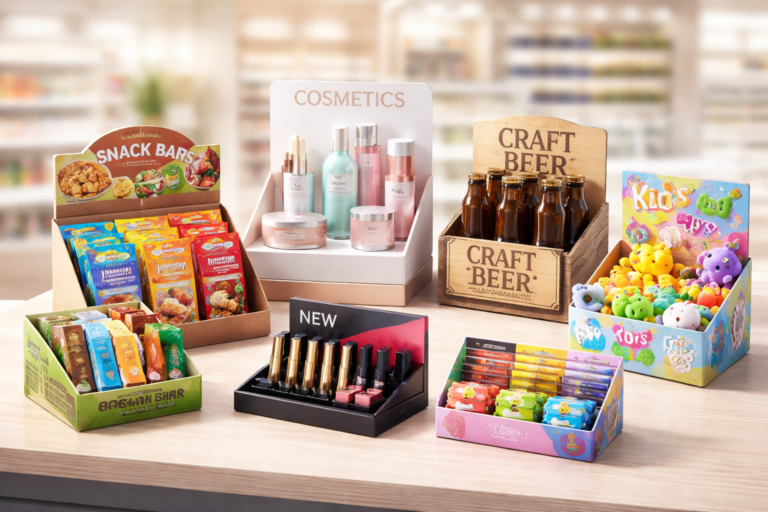
Common types of display packaging include counter displays, shelf-ready packaging, floor displays, open-front boxes, tray displays, and promotional display units. These solutions are widely used in industries such as cosmetics, food and beverages, confectionery, electronics, toys, pharmaceuticals, and promotional goods.
Why Display Packaging Matters in Retail
Retail environments are crowded, and customers are exposed to hundreds of products during a single visit. Display packaging helps brands stand out in this visual noise.
A well-designed display box:
- Attracts attention from a distance
- Communicates brand identity instantly
- Makes products easier to browse and select
- Encourages impulse purchases
In many cases, the display itself becomes a silent salesperson, delivering brand messaging without the need for additional marketing materials.
Key Types of Display Packaging
Counter Display Boxes
Placed near checkout areas, counter displays are ideal for small products and impulse purchases. They are compact, lightweight, and designed for high visibility.
Shelf-Ready Packaging (SRP)
Shelf-ready packaging allows retailers to place products directly on shelves without unpacking individual items. This saves time for store staff and ensures consistent presentation.
Floor Displays
Larger display units positioned directly on the store floor. These are often used for promotional campaigns, seasonal products, or product launches.
Open-Front Display Boxes
These boxes provide easy access while keeping products neatly organized. They are commonly used for cosmetics, snacks, and small consumer goods.
Tray and Dump Bin Displays
Simple yet effective, tray displays and dump bins are designed for bulk presentation and quick restocking.
Materials Used in Display Packaging
Display packaging must balance visual appeal, durability, and cost-efficiency. The most commonly used materials include:
- Corrugated cardboard – lightweight, strong, and ideal for retail displays
- Solid cardboard (paperboard) – suitable for smaller displays and premium products
- Kraft cardboard – popular for eco-friendly and natural brand positioning
Depending on the product weight and display purpose, packaging can be reinforced to maintain stability throughout its retail lifecycle.
Printing and Finishing Options
Visual impact is a critical factor in display packaging. High-quality printing ensures brand consistency and strong shelf presence. Popular options include:
- Full-color offset or digital printing
- Matte or gloss lamination
- Spot UV for highlighting logos or key elements
- Embossing or debossing for tactile appeal
Finishing choices can significantly influence how premium or promotional a display feels to the end customer.
Custom Display Packaging for Different Industries
Display packaging is highly adaptable and can be customized to suit various industries:
- Cosmetics and beauty – elegant counter displays and testers
- Food and confectionery – shelf-ready trays and promotional displays
- Beverages – sturdy cardboard displays for bottles and cans
- Electronics and accessories – structured displays with protective inserts
- Toys and seasonal products – colorful, playful displays designed for high engagement
Each industry has unique requirements related to weight, visibility, and branding, making customization essential.
Sustainability in Display Packaging
Sustainability has become a key consideration in packaging decisions. Display packaging is increasingly designed with eco-friendly principles in mind, such as:
- Using recyclable and biodegradable materials
- Reducing plastic components
- Optimizing structural design to minimize material usage
Cardboard-based display packaging is particularly attractive for brands aiming to reduce their environmental impact while maintaining strong retail presence.
How Display Packaging Supports Sales and Branding
Effective display packaging does more than hold products — it supports sales strategy. By improving product visibility and organization, it enhances the shopping experience and influences purchasing decisions.
For brands, display packaging ensures consistent brand presentation across different retail locations. For retailers, it simplifies merchandising and reduces labor costs. This mutual benefit makes display packaging a powerful tool across the supply chain.
Choosing the Right Display Packaging Solution
Selecting the right display packaging depends on several factors:
- Product size and weight
- Retail environment and shelf space
- Branding and design requirements
- Budget and production volumes
- Logistics and transportation considerations
A well-planned display packaging solution combines structural integrity, visual appeal, and practicality.