The New Standard in Premium Product Presentation
By 2026, for luxury consumers in the United States, sustainability is no longer an optional extra. It has become an integral component of brand quality and a default expectation. This reflects a significant psychological shift in the market. Eco-conscious packaging is now perceived as a clear signal of innovation and modern luxury, while traditionally wasteful packaging can make a brand appear disconnected and dated. We’ve all seen beautiful boxes that are impossible to recycle, creating a moment of guilt that undermines the premium experience.
This presents the central challenge for today’s luxury brands: balancing sustainability and luxury without compromise. The role of premium packaging has expanded beyond simple protection and presentation. It must now tell a compelling story of environmental responsibility. The unboxing experience itself needs to communicate both opulence and a genuine commitment to the planet.
Instead of viewing this as a limitation, forward-thinking brands see it as an opportunity. A thoughtfully designed, sustainable package reinforces a brand’s values and deepens its connection with a more conscious consumer base. This approach positions sustainability not as a concession but as the new benchmark for premium product presentation, setting the stage for innovative materials and designs that deliver on both fronts.
Advanced Materials for Eco-Luxe Packaging
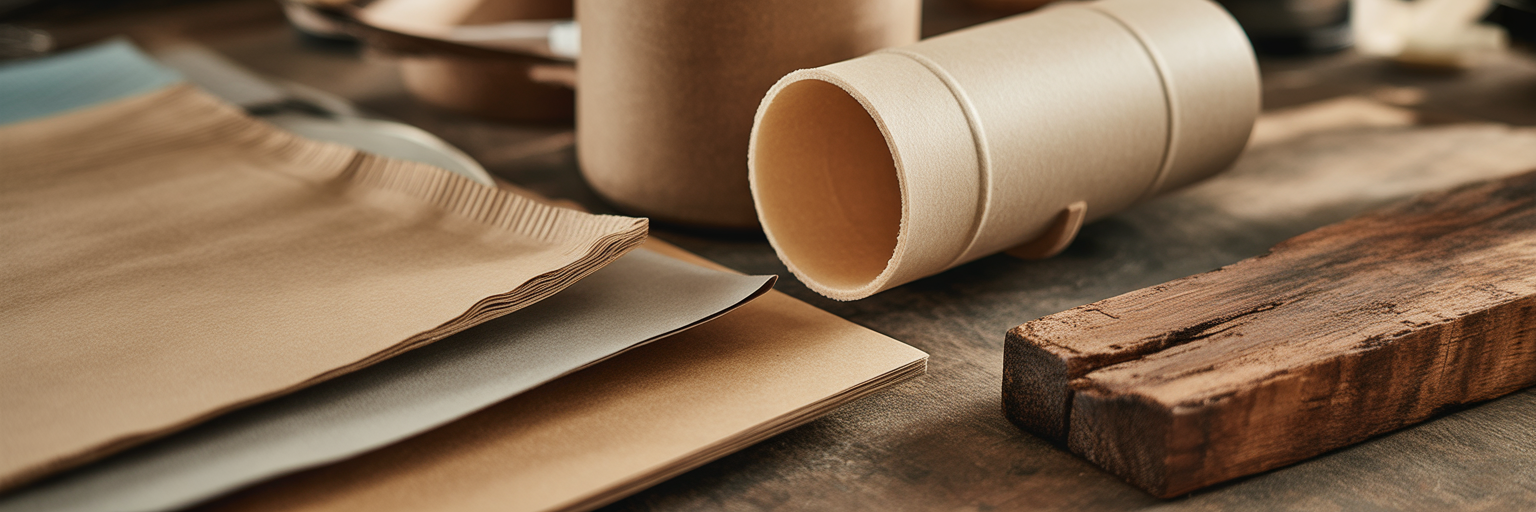
The previous perception that sustainable materials feel cheap is now entirely outdated. Modern advancements offer a rich palette of options that provide a premium tactile and visual experience. Choosing the right material is the first step in creating packaging that is both responsible and luxurious.
Here are some of the leading materials that enable sophisticated, eco-luxe packaging:
- FSC-Certified Papers and Boards: These materials are the foundation of high-end sustainable packaging. Sourced from responsibly managed forests, they come in various weights and textures that create a premium feel for rigid boxes, sleeves, and labels. Their versatility allows for both minimalist and ornate designs.
- Innovative Recycled Materials: High-grade recycled options, such as rPET for clear windows and post-consumer recycled (PCR) paper for sturdy box construction, are now visually identical to their virgin counterparts. Using them significantly reduces waste and conserves resources without sacrificing aesthetic quality.
- Biodegradable and Compostable Alternatives: Materials like molded pulp, mycelium (mushroom-based), and seaweed polymers are transforming protective inserts. They can be custom-molded to secure delicate items, replacing plastic trays. This is a critical component of the eco friendly packaging for jewelry we design, ensuring products are held securely in a fully biodegradable form.
Material selection is directly tied to product requirements. For instance, brands need moisture-resistant barriers for the custom packaging for cosmetics we produce, while spirits bottles require robust structural integrity. The right choice enhances both protection and brand storytelling.
Comparison of Eco-Luxe Packaging Materials
| Material | Aesthetic Quality | Sustainability Credential | Best Use Case |
|---|---|---|---|
| FSC-Certified Paper/Board | High; versatile textures and weights | Responsibly sourced virgin fiber | Rigid boxes, sleeves, labels |
| High-Quality Recycled Paper (PCR) | Excellent; can be indistinguishable from virgin | Reduces waste and resource consumption | Structural boxes, void fill, paper bags |
| Molded Pulp | Earthy, minimalist, and can be custom-shaped | Biodegradable and compostable | Protective inserts for cosmetics, electronics, and jewelry |
| Mycelium (Mushroom) | Unique, organic texture | Fully compostable, grows to shape | Custom-fit protective packaging for fragile items |
| rPET (Recycled PET) | High clarity, similar to virgin plastic | Reduces plastic waste and energy use | Transparent windows in boxes, clear containers |
Designing for Circularity and Sophistication
Beyond the materials themselves, intelligent design is what truly merges sustainability with a premium feel. It’s not just about what the package is made of, but how it is constructed and intended to be used. Smart design principles ensure that the entire lifecycle of the packaging is considered from the very beginning.
One of the most important concepts is designing for disassembly. This involves creating packaging where different components, like a paper box and its pulp insert, can be intuitively separated by the consumer for proper recycling. It eliminates confusion and ensures materials are reclaimed effectively. Another key principle is lightweighting, where digital tools help create structures that use less material without feeling flimsy, which in turn reduces shipping emissions and costs.
Reusable and refillable systems are also gaining traction as a hallmark of modern luxury. Imagine a beautifully crafted keepsake rigid box for a perfume, where only the inner glass bottle is replaced. This transforms the packaging from a disposable item into a cherished object. Similarly, modular design offers incredible efficiency. This is a key strategy for any custom rigid box manufacturer USA, allowing for the creation of versatile branded packages for retail stores where a single box structure adapts to various products with different inserts. As Kering highlighted when it published its Ecodesign Tool for Packaging Items, standardizing these practices helps guide the entire industry toward more responsible solutions.
Balancing Premium Feel with Eco-Conscious Choices
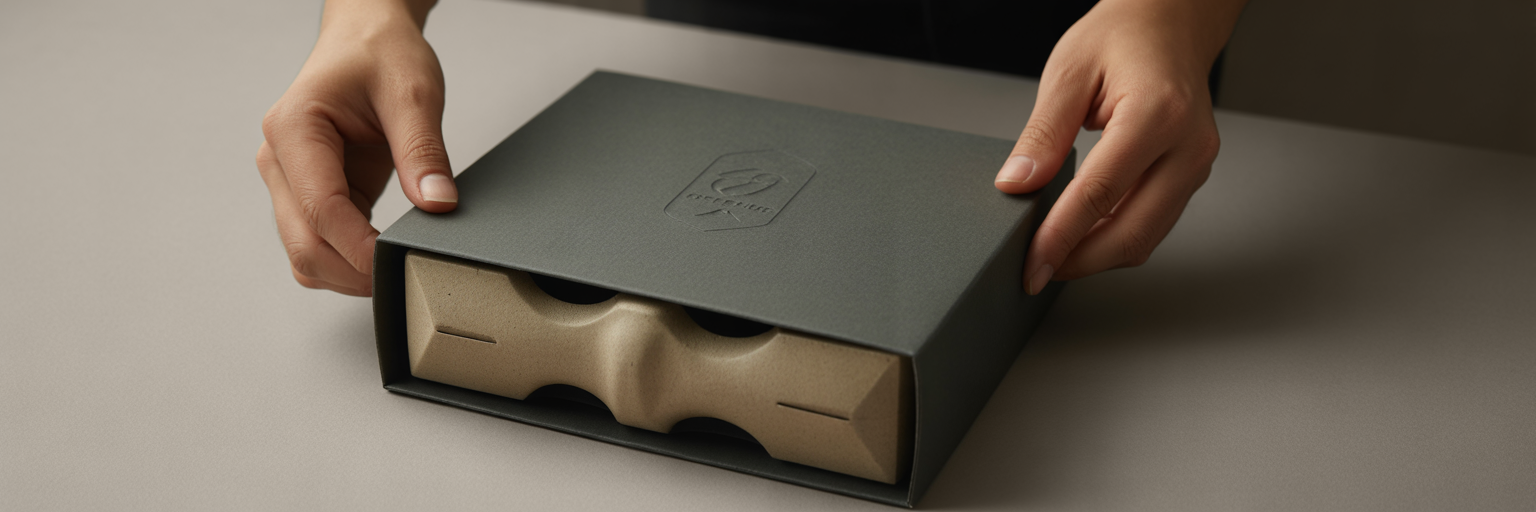
With sustainable materials and intelligent design in place, the final step is focusing on the finishing touches that create a memorable unboxing experience. These details are what often separate standard packaging from a true luxury presentation, and they can be achieved without environmental compromise.
Here are a few techniques to maintain a premium feel with eco-conscious choices:
- Finishing Techniques: Instead of plastic laminates or metallic foils, consider elegant alternatives like embossing, debossing, and laser cutting. These methods add texture and sophistication without using non-recyclable materials. When color is needed, water-based or soy-based inks provide vibrant results and are fully recyclable.
- Closure Mechanisms: Non-recyclable elements like magnets and plastic ribbons can be replaced with more thoughtful solutions. Clever folding techniques that create a friction-fit closure, elegant paper-based belly bands, or ribbons made from natural fibers like cotton or Tencel all provide a satisfying and sustainable opening experience.
There is a growing recognition that modern luxury is tied to authenticity and texture. A high-quality, uncoated recycled paper can feel more substantial and premium than a glossy, plastic-laminated box. These considerations are vital for premium cosmetic packaging solutions, where the tactile experience is paramount. Ultimately, a minimalist design focused on high-quality, sustainable materials can create a more impactful reveal than an overly complex, wasteful package. These thoughtful details are central to creating memorable custom gift boxes for businesses, where the unboxing is the main event.
Integrating Technology for Transparency and Engagement
To complete the circle of trust with consumers, brands can use technology to make their sustainability claims tangible. This final layer transforms the package from a simple container into an interactive storytelling device, proving a brand’s commitment to transparency.
By embedding a discreet QR code or NFC tag into the sustainable luxury packaging, a brand can offer a window into its journey. A customer can scan the code with their phone to view a webpage detailing the material origins, the carbon footprint of its creation, and clear, localized instructions for recycling or composting. This direct line of communication builds confidence and educates the consumer on how to participate in the circular economy.
This technology also enables brands to track packaging, encourage returns for reuse, and gather valuable data for future optimization. According to a McKinsey analysis on winning in sustainable packaging, this integration of digital tools is a key differentiator for forward-thinking brands. It is the ultimate proof of a brand’s commitment, solidifying its premium and responsible identity with solutions like those we design at DST Pack.