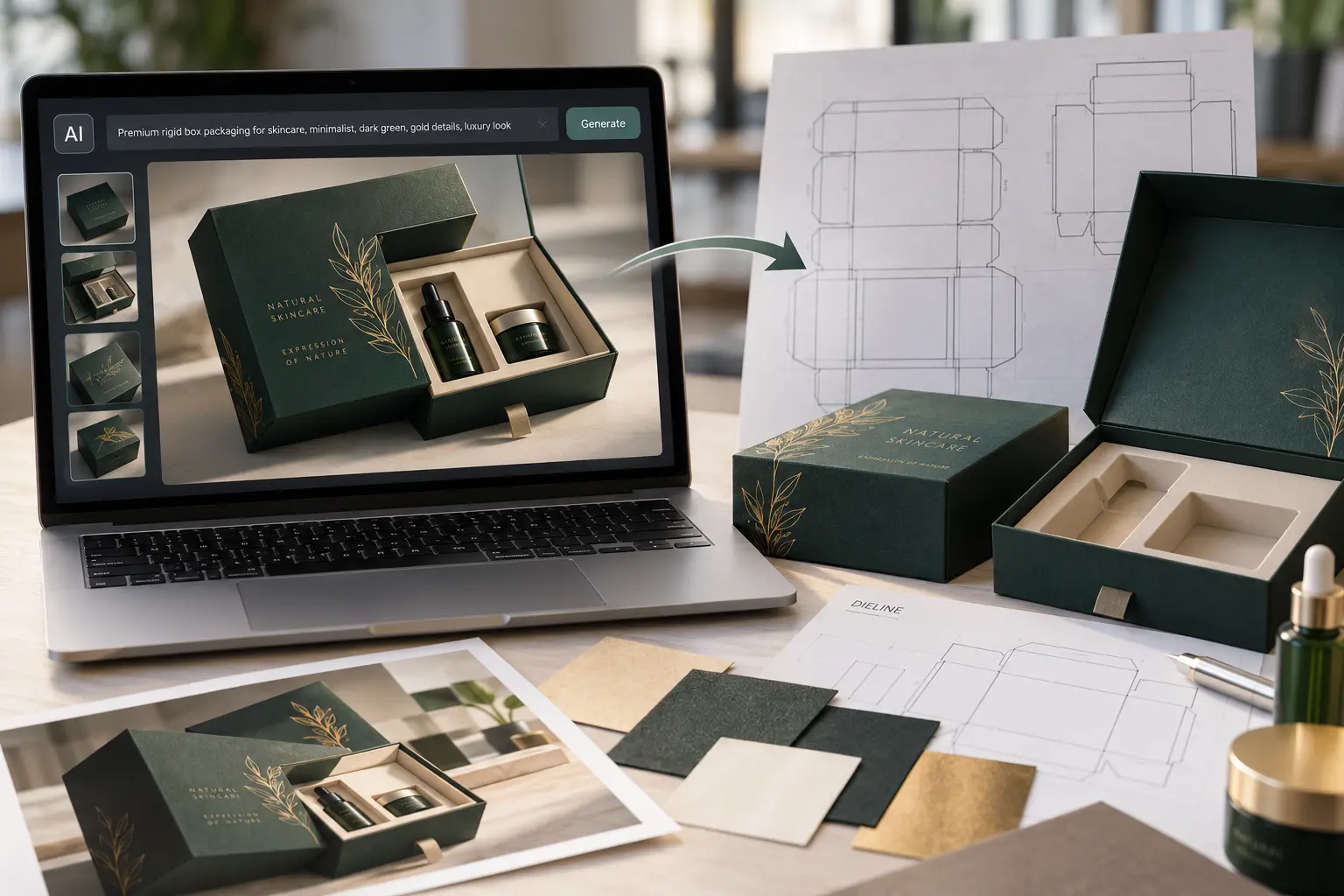
Foil stamping is a decorative printing technique widely used in packaging, branding, and printed materials to create a premium, eye-catching finish. You often see it on luxury boxes, cosmetic packaging, invitations, book covers, and labels where brands want to add elegance and visual impact. But what exactly is foil stamping, and why is it so popular in custom packaging?
This article explains how foil stamping works, the types of foil available, and when it makes sense to use it.
What Is Foil Stamping?
Foil stamping, also known as hot foil stamping, is a process where a thin metallic or pigmented foil is transferred onto a surface using heat, pressure, and a metal die. Instead of ink, the design is applied using foil, which creates a reflective or textured effect that cannot be achieved with standard printing methods.
The foil comes in rolls and is applied only where the die presses it onto the material. The result is a clean, sharp design that sits on the surface of the packaging rather than being absorbed into it.
Foil stamping is commonly used on paperboard, cardboard, leather, plastics, and certain coated materials, making it a versatile option for many packaging applications.
How the Foil Stamping Process Works
The foil stamping process begins with the creation of a custom metal die, usually made of brass or magnesium. This die contains the design that will be stamped onto the packaging.
During production, the die is heated and pressed against the foil and the packaging material. The heat activates the adhesive layer on the foil, while pressure transfers the design onto the surface. Once the die lifts, the foil remains bonded to the material in the exact shape of the design.
Because this process uses heat and pressure rather than ink, foil stamping produces a crisp and durable finish that stands out visually and to the touch.
Types of Foil Used in Foil Stamping
Metallic foil is the most recognizable type. Gold, silver, copper, and rose gold are popular choices for premium packaging and branding elements.
Pigmented foil offers solid colors without a metallic shine. These foils are often used when brands want bold, clean graphics or logos that still have a smooth, refined appearance.
Holographic foil creates a multi-dimensional, light-reflective effect. It is commonly used for special editions, promotional packaging, or products that want a more dynamic look.
Matte foil provides a subtle, non-glossy finish. It is ideal for minimalist designs where understated elegance is preferred over shine.
Where Foil Stamping Is Commonly Used
Foil stamping is frequently applied to logos, brand names, borders, and decorative patterns. In packaging, it is often combined with other techniques such as embossing or debossing to enhance texture and depth.
Luxury product boxes, cosmetic packaging, perfume boxes, wine packaging, and gift boxes often feature foil stamping to increase perceived value. It is also widely used in stationery, book covers, certificates, and high-end marketing materials.
Advantages of Foil Stamping
One of the biggest advantages of foil stamping is its visual impact. Foil catches light and draws attention, making packaging more noticeable on shelves.
Foil stamping also communicates quality. Because it requires additional tooling and processing, customers often associate foil-stamped packaging with premium products.
Another benefit is durability. Foil does not fade like ink and is resistant to smudging, making it suitable for long-lasting packaging.
When to Use Foil Stamping
Foil stamping is best used selectively. Applying it to key elements such as logos or product names creates contrast and focus without overwhelming the design.
It is especially effective for brands aiming to position their products as premium, gift-worthy, or luxury-focused. While foil stamping adds cost compared to standard printing, the perceived value it brings often justifies the investment.